Dolac market
Red parasols above the open-air stalls, a covered hall for dairy and cured meat, and a fish market below.
- Free
- Daily from 07:00
- Best before 10:00
Home / Destinations / Zagreb
Capital · Continental CroatiaCroatia’s capital is not on the sea and makes no apology for it. What it has instead: the shortest funicular in the world, a market that has fed the city since 1930, and a coffee ritual that occupies entire Saturday mornings.
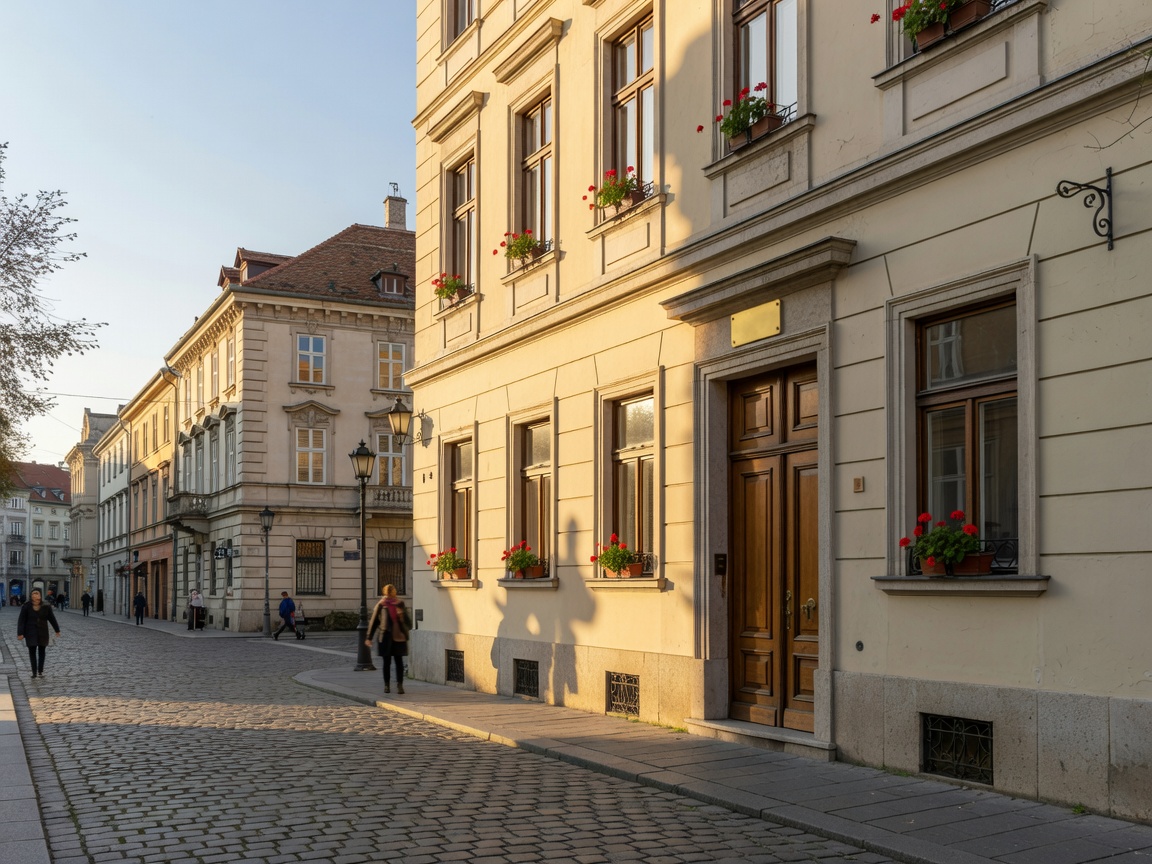
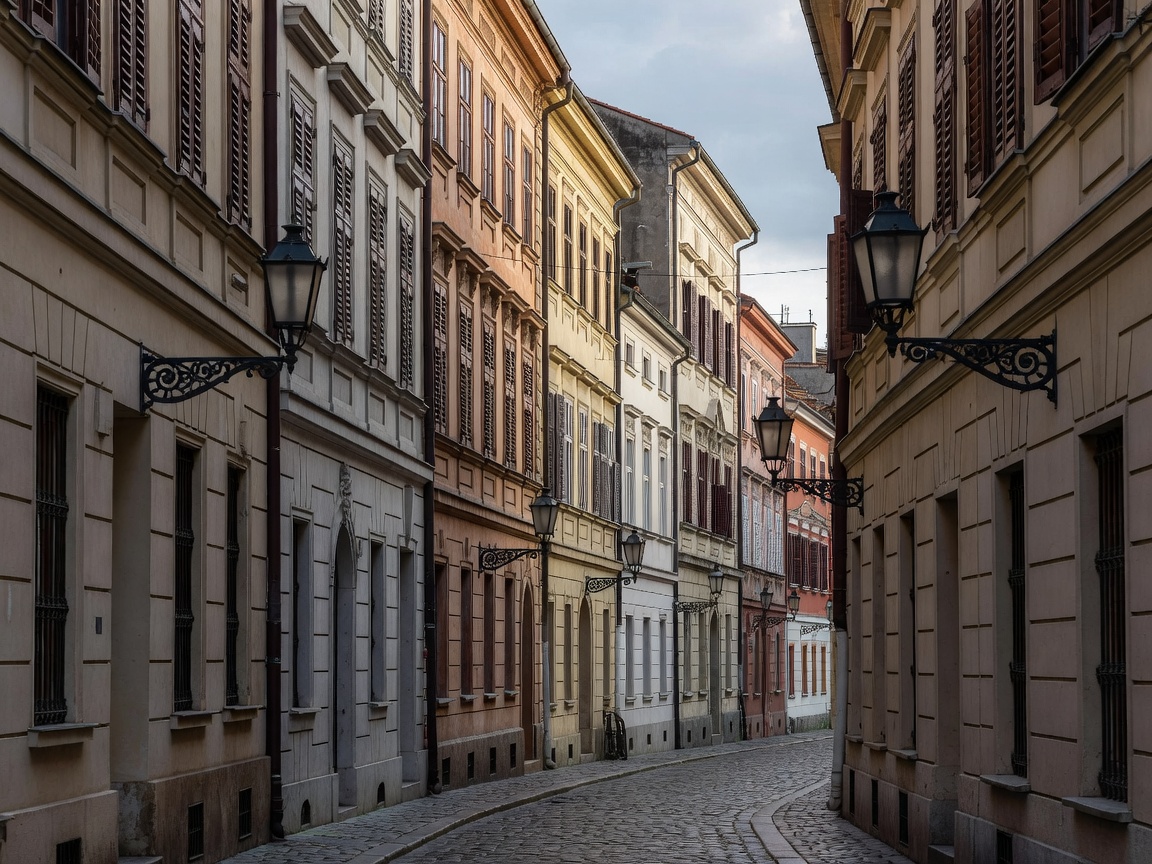
Zagreb was originally two rival settlements on neighbouring hills: Kaptol, the ecclesiastical town around the cathedral, and Gradec, the free royal burgher town to its west. They fought, occasionally violently, until the nineteenth century merged them into one city. Together they form the Upper Town — cobbled, gas-lit (a lamplighter still makes the rounds each evening), and home to St Mark’s Church with its tiled coat-of-arms roof.
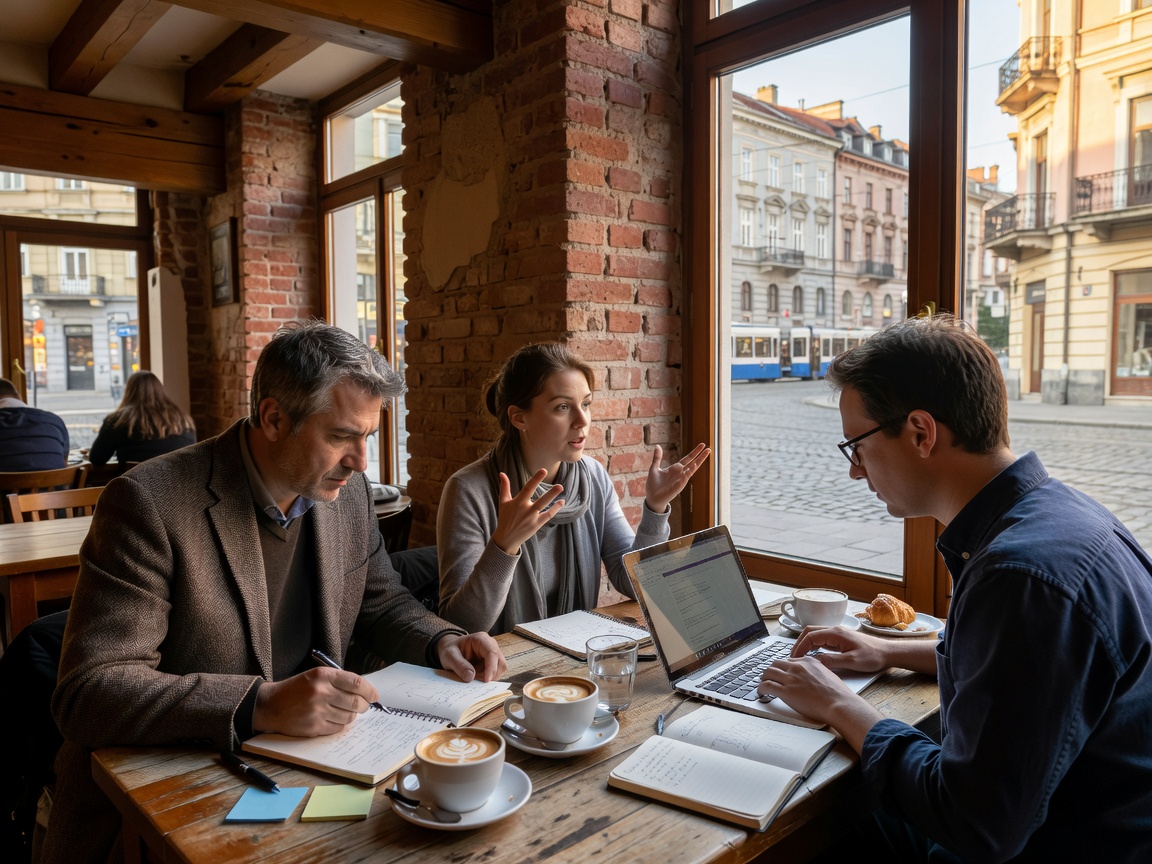
Below sits the Lower Town, laid out in the 1880s as Lenuci’s Green Horseshoe: a U of landscaped squares connecting the main railway station to the centre, lined with pavilions, galleries and the Academy of Sciences. Trams run through it constantly. The whole ensemble is Central European in architecture and Mediterranean in behaviour — nobody is in a hurry, and every café terrace is full by ten in the morning.
Compact enough to cover on foot in two days, with enough museums to justify a third if it rains.

Red parasols above the open-air stalls, a covered hall for dairy and cured meat, and a fish market below.

The famous tiled roof, the Stone Gate shrine, the Lotrščak cannon fired at noon every single day since 1877.

Donated objects from ended relationships with the stories attached. Funny, devastating and entirely original.

Hermann Bollé’s ivy-covered arcades and cupolas — one of Europe’s most beautiful burial grounds, open to all faiths.

The city dresses up and occupies Tkalčićeva and Bogovićeva from about 11:00. Observation is the activity.

The mountain above the city: hiking trails, the medieval Medvedgrad fortress and a cable car to 1,000 metres.
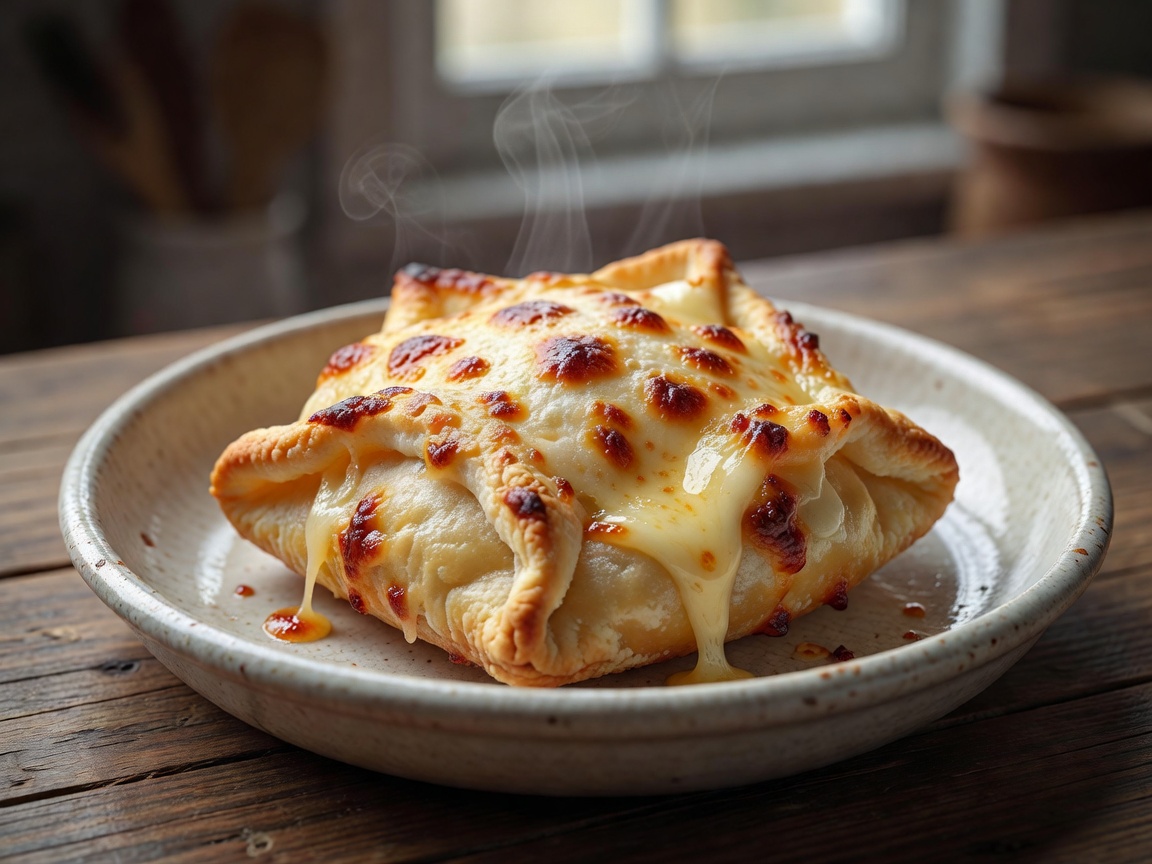
Figs, paprika, homemade cheese, and a burek from the stalls below the steps.
Walk up through Kaptol, then across into Gradec. Be at Lotrščak tower for the noon cannon.
Or the Mimara, the Museum of Contemporary Art or the Naïve Art Museum, depending on your appetite.
The street is lined with terraces. For serious cooking, walk ten minutes into the Lower Town instead.
Zrinjevac, Strossmayer Square, the Art Pavilion and the Botanical Garden in one long loop.
Bus 106 from the cathedral to the cemetery, then up the mountain if the weather is clear.
| Airport | Franjo Tuđman Airport (ZAG), 17 km south-east. Croatia Airlines shuttle bus to the main bus station takes 30 minutes, around €8. Taxi €20–30. |
|---|---|
| Trams | ZET trams cover the centre comprehensively and run all night on reduced lines. A 30-minute ticket costs about €0.70; a 24-hour pass about €4. |
| To the coast | Bus or car to Split in 4h30–6h via the A1 motorway. Trains are slower. Buses to Plitvice take about 2h30. |
| Museums | Typically €5–10 each; many close on Mondays. The Museum of Broken Relationships is open daily and late in summer. |
| Advent | Late November to early January. Repeatedly voted Europe’s best Christmas market: ice rink on King Tomislav Square, food stalls and live music across the Green Horseshoe. |
| Best time | May, June and September for terraces and long evenings; December for Advent. August empties out as locals leave for the coast. |
| Budget | Double room €70–130; dinner for two €45–75; coffee €2–3; museum €7. Noticeably cheaper than the Dalmatian coast in summer. |
Tourist board: infozagreb.hr. Public transport: zet.hr.