Peka
Veal, lamb or octopus with potatoes, baked under an iron bell buried in embers for about three hours. The definitive Dalmatian feast.
- Min. 2 people
- €25–35 pp
- Order in advance
Home / Food & wine
Dalmatia · Istria · Continental CroatiaThree cuisines share one passport. The coast cooks Venetian-Mediterranean with olive oil and fish; Istria adds truffles, pasta and Central European technique; the continental interior is paprika, pork, freshwater fish and strudel.
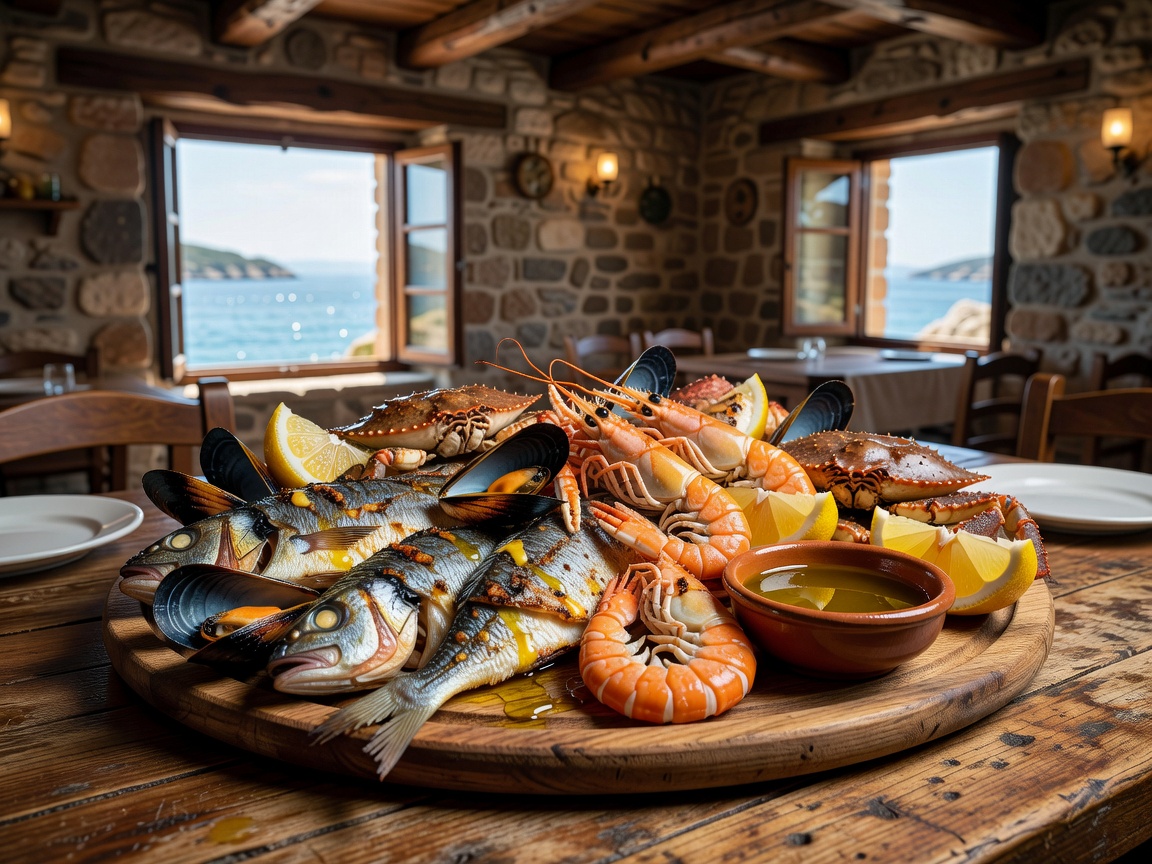
A konoba was originally the cellar where a family stored wine, oil and cured meat; today it means a tavern serving traditional food, usually with stone walls, wooden beams and a short menu. Three conventions catch visitors out. First, fish is priced by the kilogram, not per portion — a whole sea bass at €55/kg will be brought to your table raw and weighed in front of you, and a typical fish for one person runs 300–400 grams. Ask the price before agreeing. Second, bread and cover (couvert) is often charged separately, usually €1.50–3 per person. Third, side dishes are ordered separately; grilled fish arrives with nothing unless you ask for blitva or potatoes.
Lunch is the serious meal, typically from 13:00. Dinner starts late, rarely before 20:00 in summer. Service is unhurried by design, and asking for the bill is your responsibility — nobody will bring it uninvited, because that would imply you should leave.
Some require advance notice. All of them are worth arranging your day around.

Veal, lamb or octopus with potatoes, baked under an iron bell buried in embers for about three hours. The definitive Dalmatian feast.

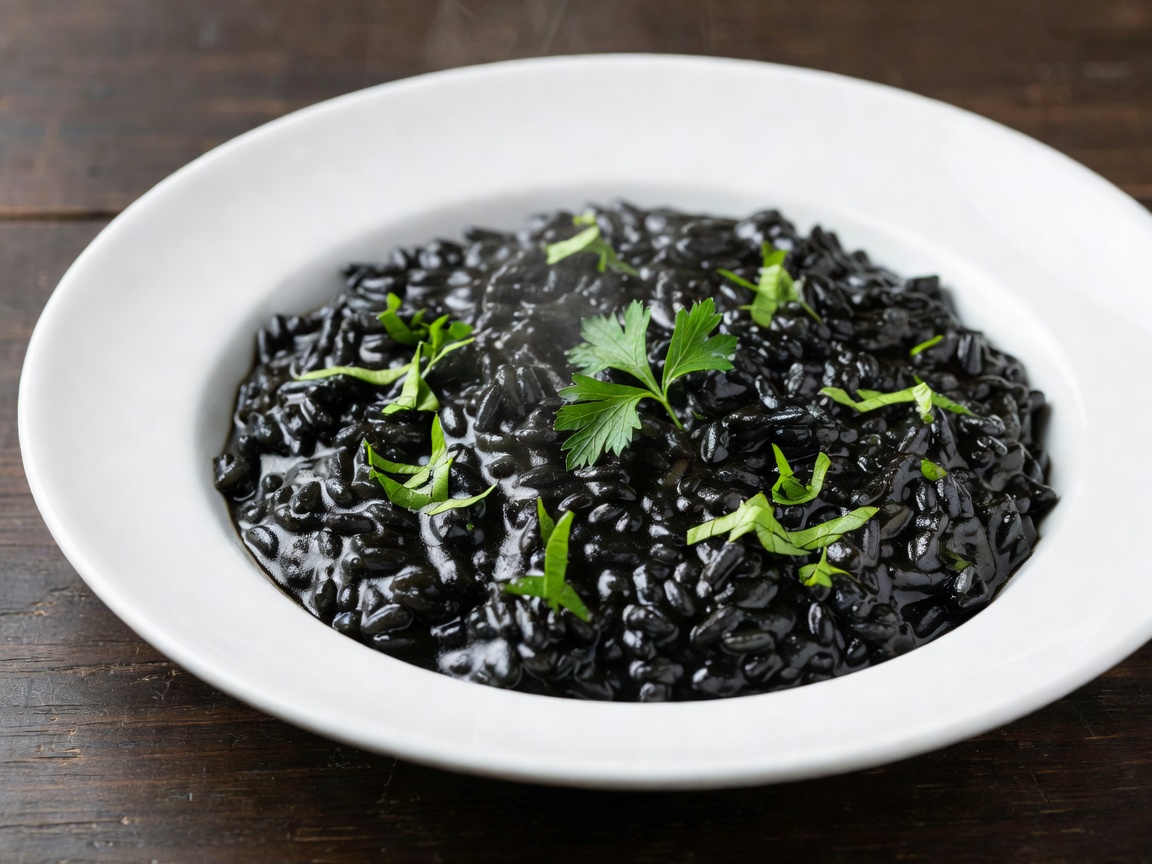
Cuttlefish risotto blackened with ink, finished with olive oil and a little grated cheese despite what Italians say.

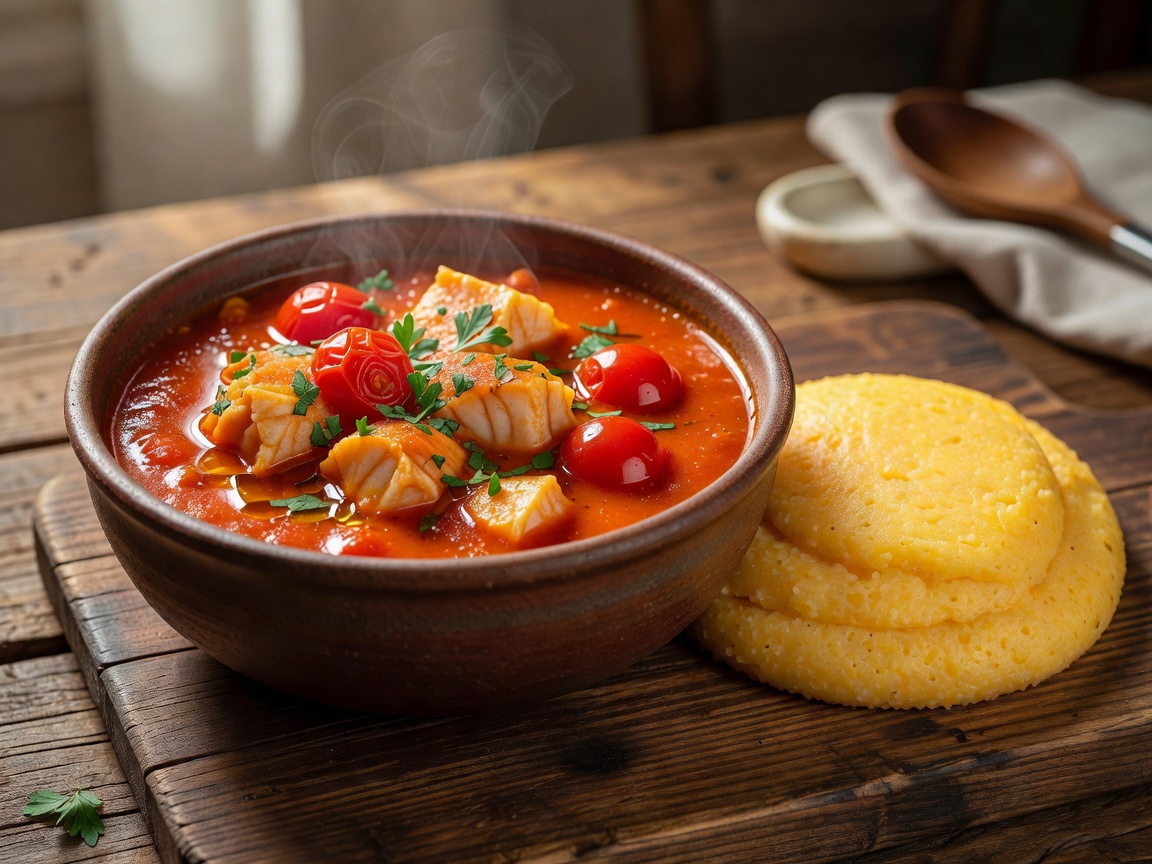
A mixed fish stew with tomato, garlic and vinegar, served over soft polenta. Never stirred with a spoon — only shaken.

Beef marinated for a day, larded with bacon, then braised with prunes, wine and vinegar. Served with gnocchi.

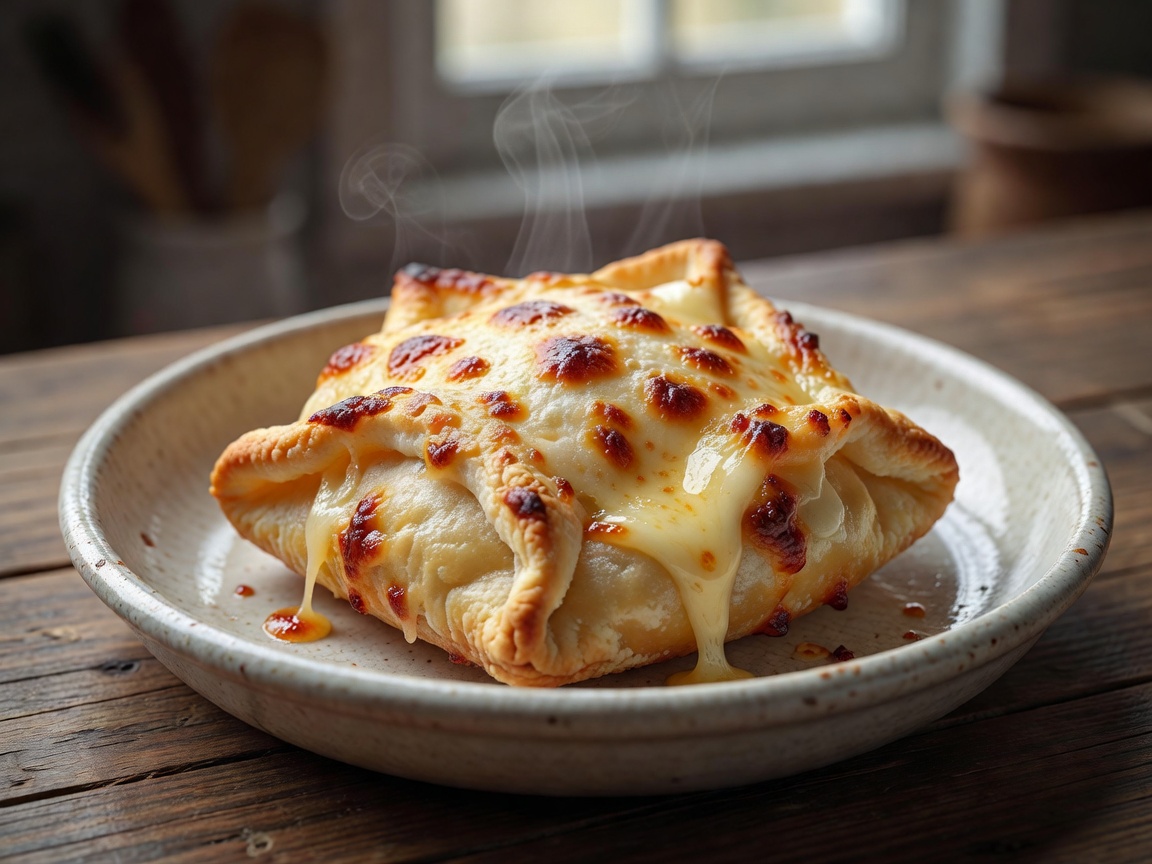
Zagorje pastry filled with fresh cheese, either boiled or baked in cream. Zagreb’s comfort food, eaten at any hour.

European flat oysters grown where the Neretva’s fresh water meets the sea. Harvest peaks in spring.
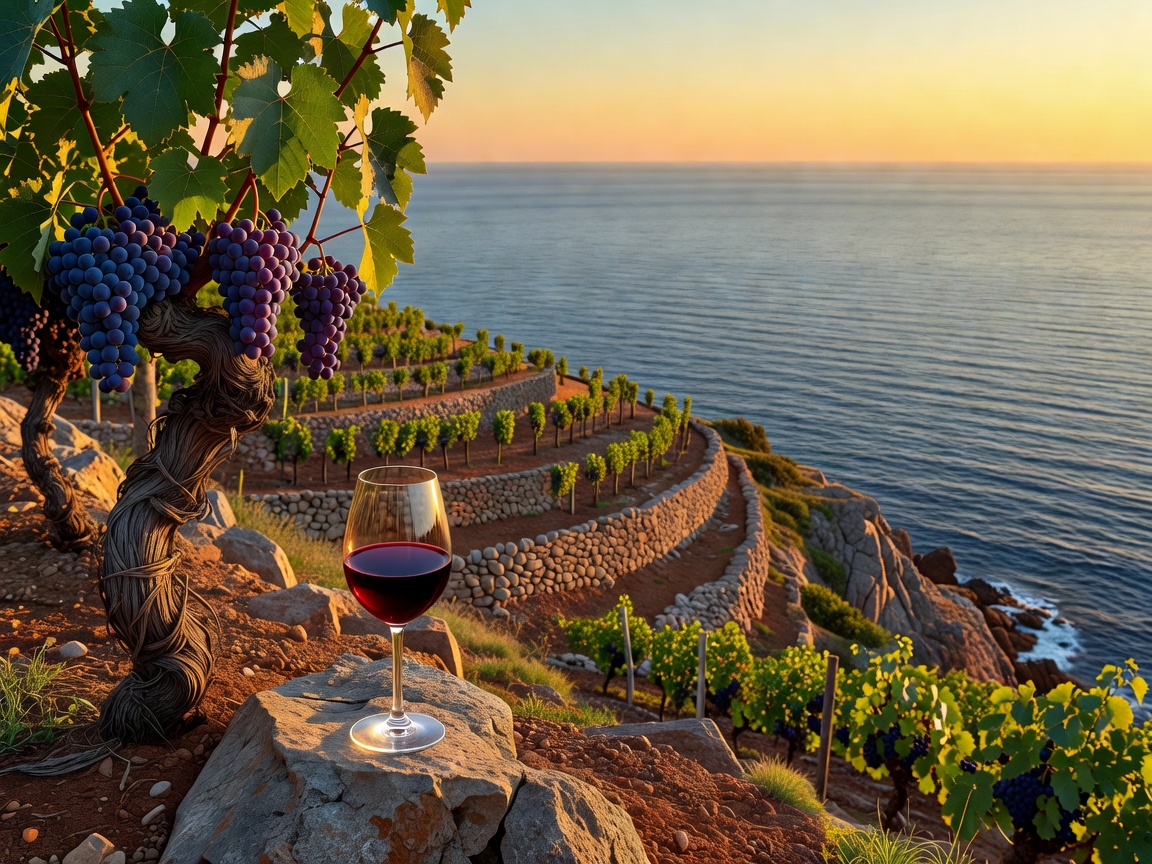
Croatia produces very little wine by European standards and exports almost none of it, which means the only reliable way to drink it is to be here. The reds of southern Dalmatia are built on Plavac Mali — a descendant of Crljenak Kaštelanski, genetically identical to Zinfandel. The two great appellations, Dingač and Postup, sit on near-vertical south-facing slopes on the Pelješac peninsula where everything is harvested by hand or donkey.
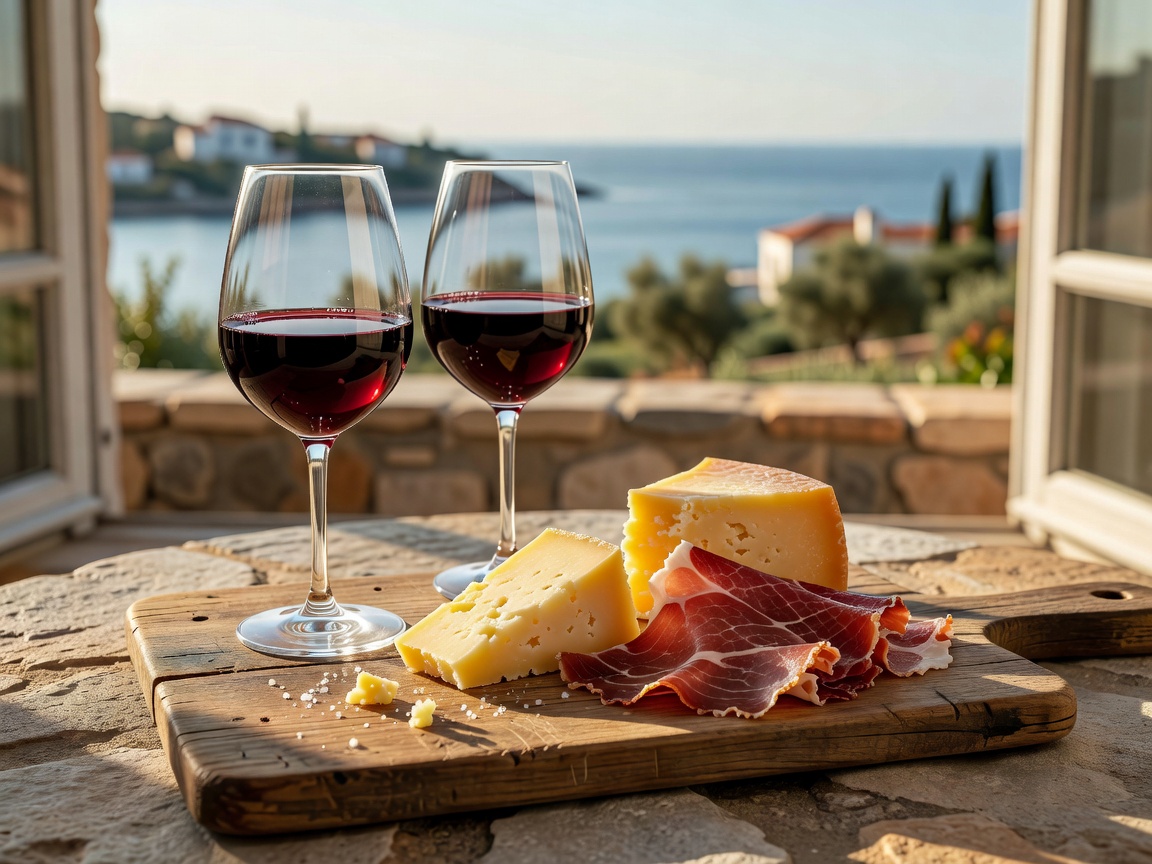
For whites, Pošip from Korčula is the most widely available: textured, citrus-and-almond, excellent with grilled fish. Grk from the sandy soils around Lumbarda is rarer and saltier. Malvazija Istarska dominates in Istria, fresh and faintly bitter-almond, and Graševina is the workhorse white of the continental east. In Zagreb and Slavonia, look for the orange-tinged skin-contact wines that a young generation of growers has revived.
| Dalmatian coast | Grilled fish, crni rižot, brudet, peka, blitva, pašticada, soparnik, rožata. |
|---|---|
| Islands | Octopus salad, lamb from Pag and Cres, hvarska gregada fish stew, fig cake, home-pressed olive oil. |
| Istria | Truffles, fuži and pljukanci pasta, maneštra soup, boškarin beef, Istrian prosciutto, olive oils of international standing. |
| Zagreb & Zagorje | Štrukli, turkey with mlinci, purica, kremšnita cream cake, sausages from Samobor. |
| Slavonia | Kulen paprika salami, fiš paprikaš river-fish stew, čobanac, Graševina wine. |
| Kvarner | Scampi from the gulf, Krk lamb, šurlice pasta, Vrbnička Žlahtina wine. |