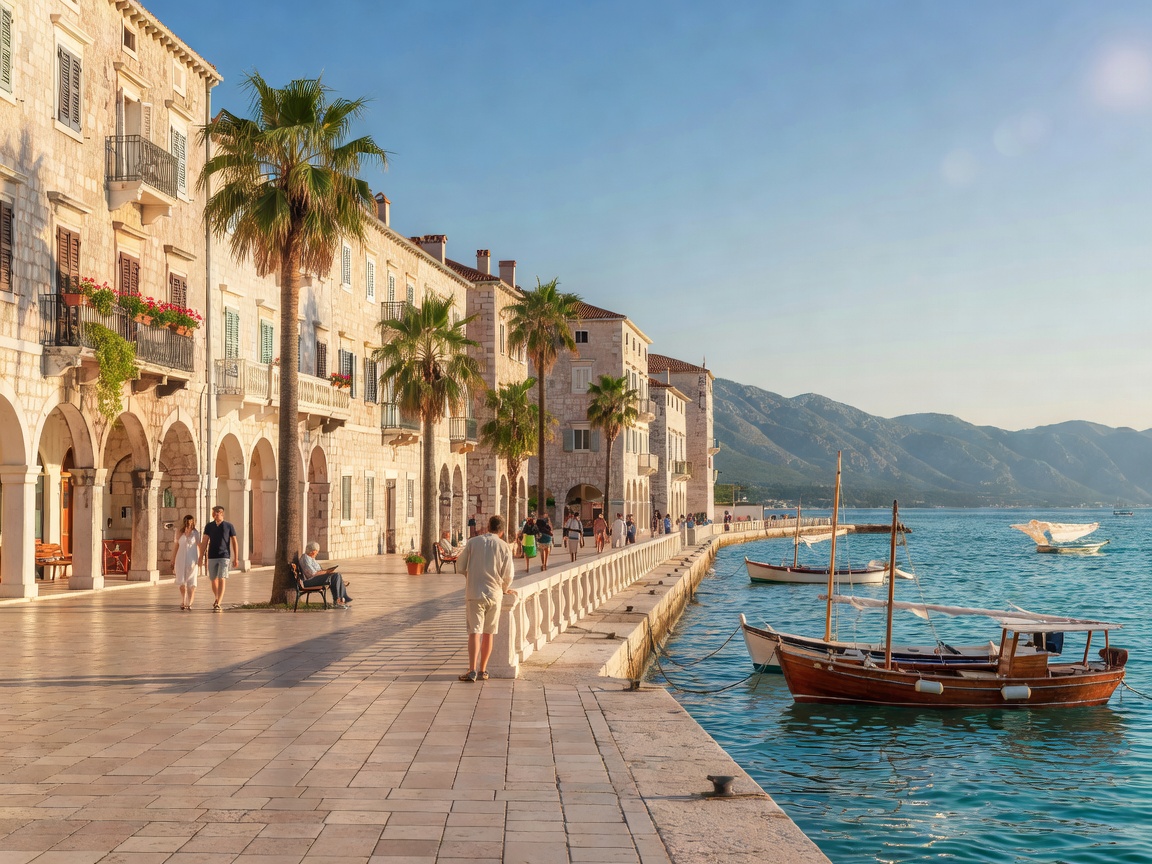
Core sight
Palace cellars & peristyle
The substructures preserve the floor plan of the imperial apartments that stood above them.
- ~€8
- 45 min
- Cool in heat
Free to walk the lanes
Prices
Home / Destinations / Split
Central Dalmatia · UNESCO World HeritageMost ancient monuments are fenced off. Split’s is a neighbourhood: 220 buildings and around 3,000 residents live inside the retirement palace Emperor Diocletian finished in AD 305, and the espresso machines run all day beneath the peristyle.
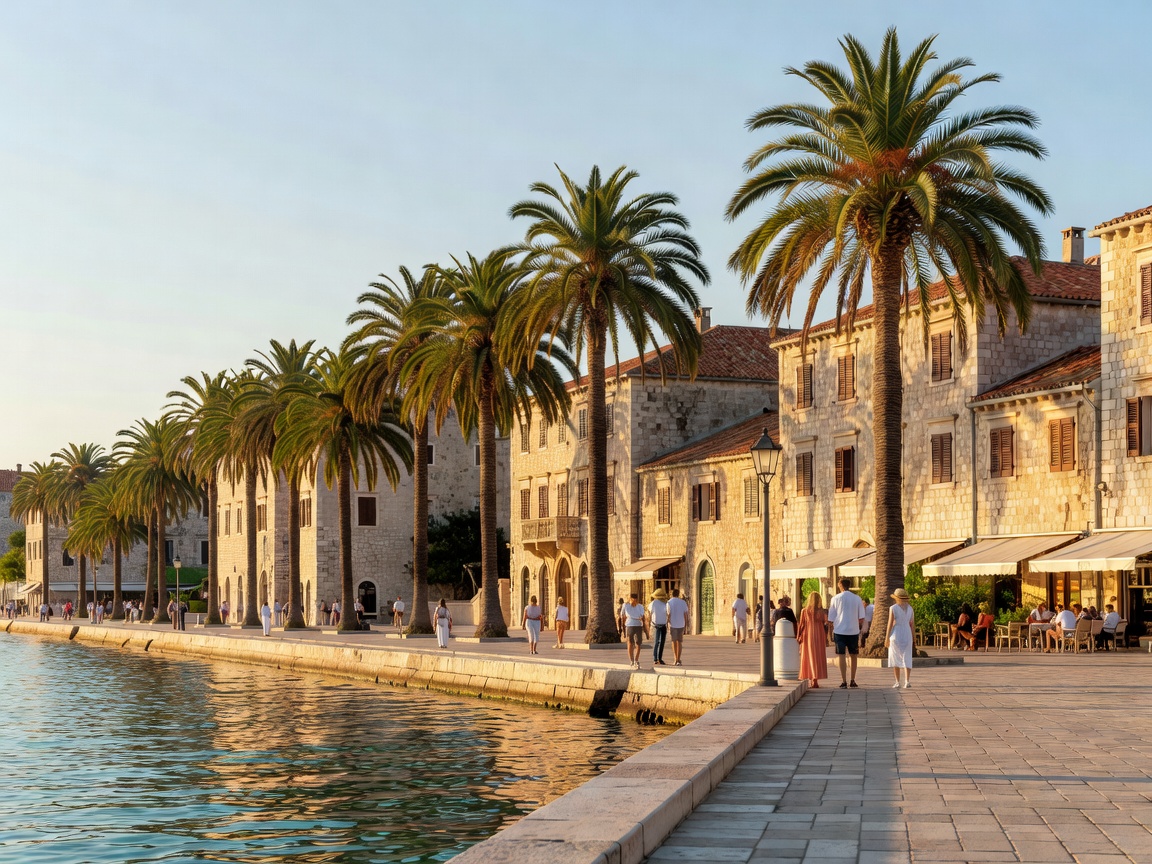
Diocletian built a rectangular fortified villa roughly 215 by 180 metres, with four gates named after metals — Golden to the north, Silver east, Iron west and Bronze opening onto what was then the sea. When the nearby city of Salona fell in the seventh century, refugees moved inside the walls and simply never left. The result is that Roman, Romanesque, Gothic, Renaissance and Venetian masonry are stacked on top of each other in the same doorway.
Start at the Bronze Gate on the Riva, walk up through the vaulted substructures, and emerge into the peristyle — the emperor’s open-air reception court, now the most theatrical café terrace in Croatia. The cathedral opposite is a converted imperial mausoleum, which makes it the oldest building in the world used as a cathedral, and a rather sharp historical joke given Diocletian’s persecution of Christians.
West of the palace is Varoš, the old fishermen’s quarter of narrow stepped lanes, and above it Marjan, a forested peninsula of pine, chapels and swimming coves. East is Bačvice, where locals play picigin in ankle-deep water all year round.
Split rewards walking. Nothing on this list is more than 25 minutes on foot from the Riva.
The substructures preserve the floor plan of the imperial apartments that stood above them.
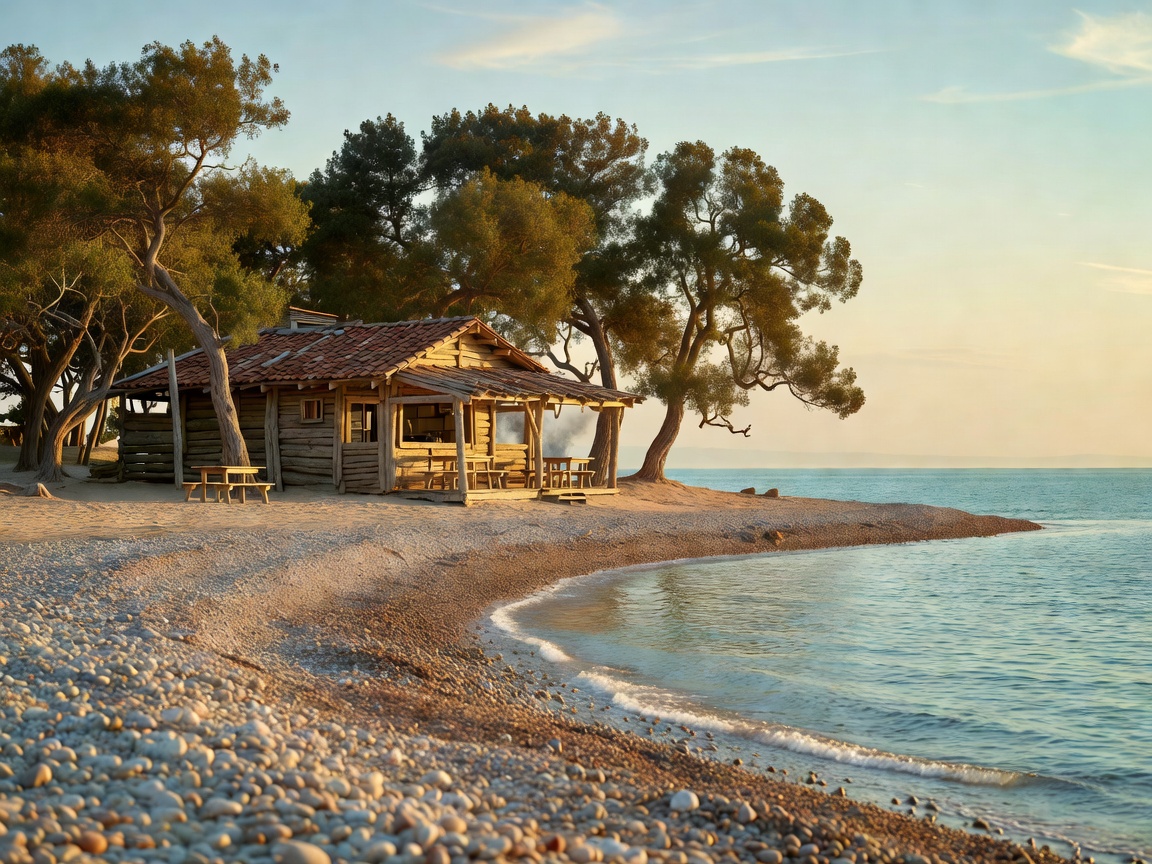
A steep open staircase to a 57-metre view across terracotta roofs to Brač. Not for vertigo sufferers.
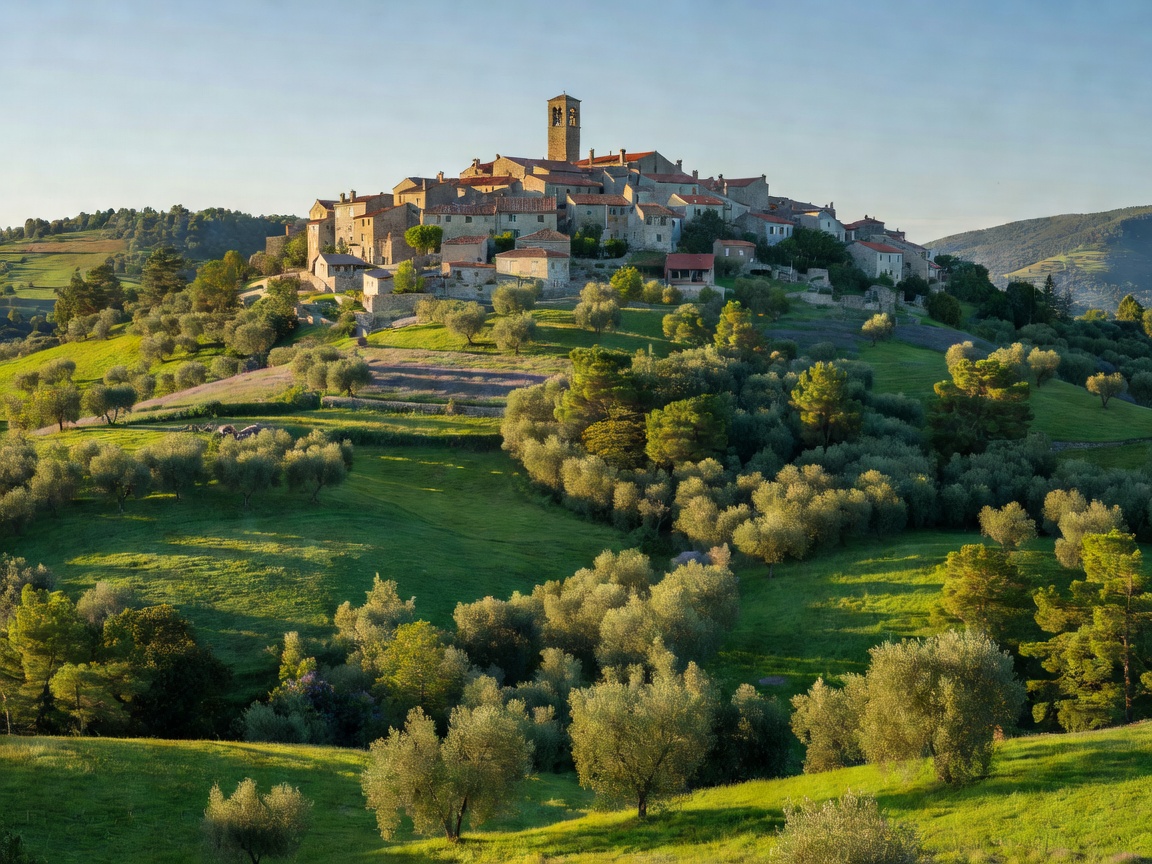
Climb the Varoš steps to Vidilica for coffee, then continue to Kašjuni cove for the best city swim.
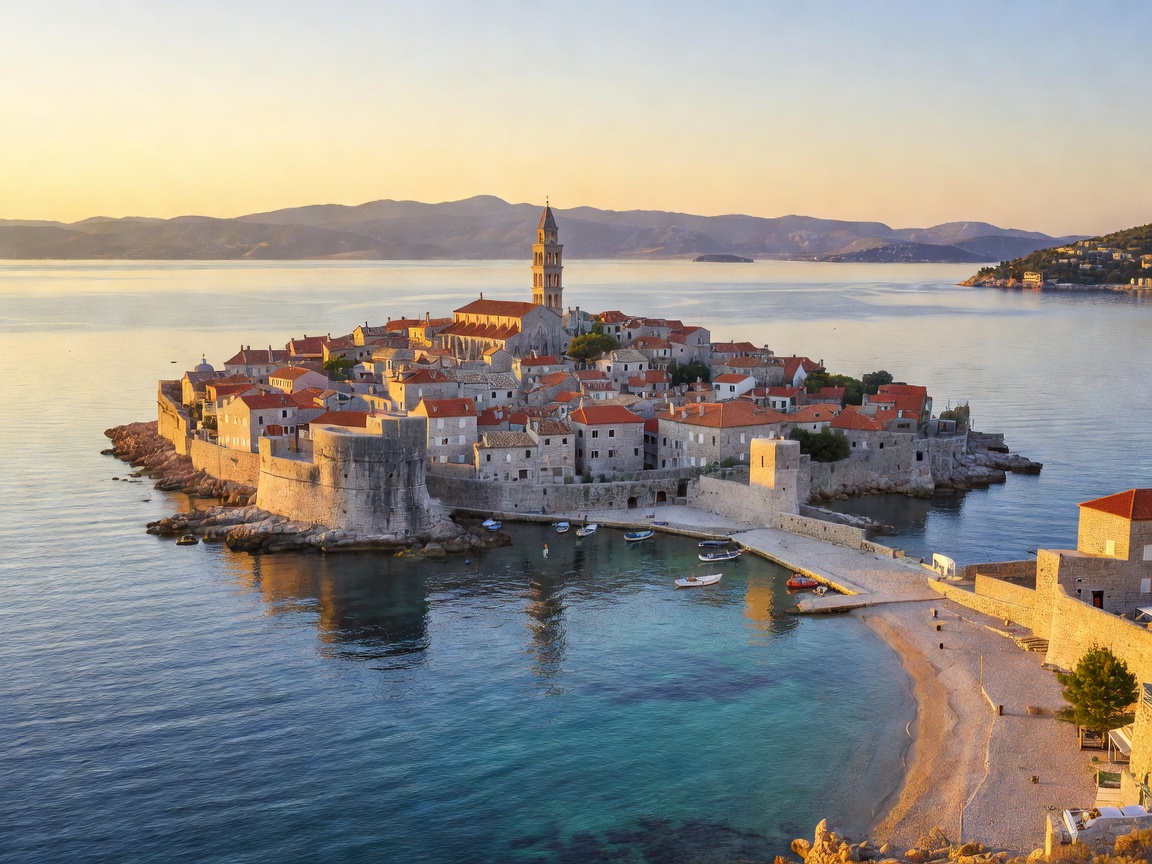
A UNESCO island town 27 km west with a Romanesque portal by Master Radovan that repays ten minutes of staring.
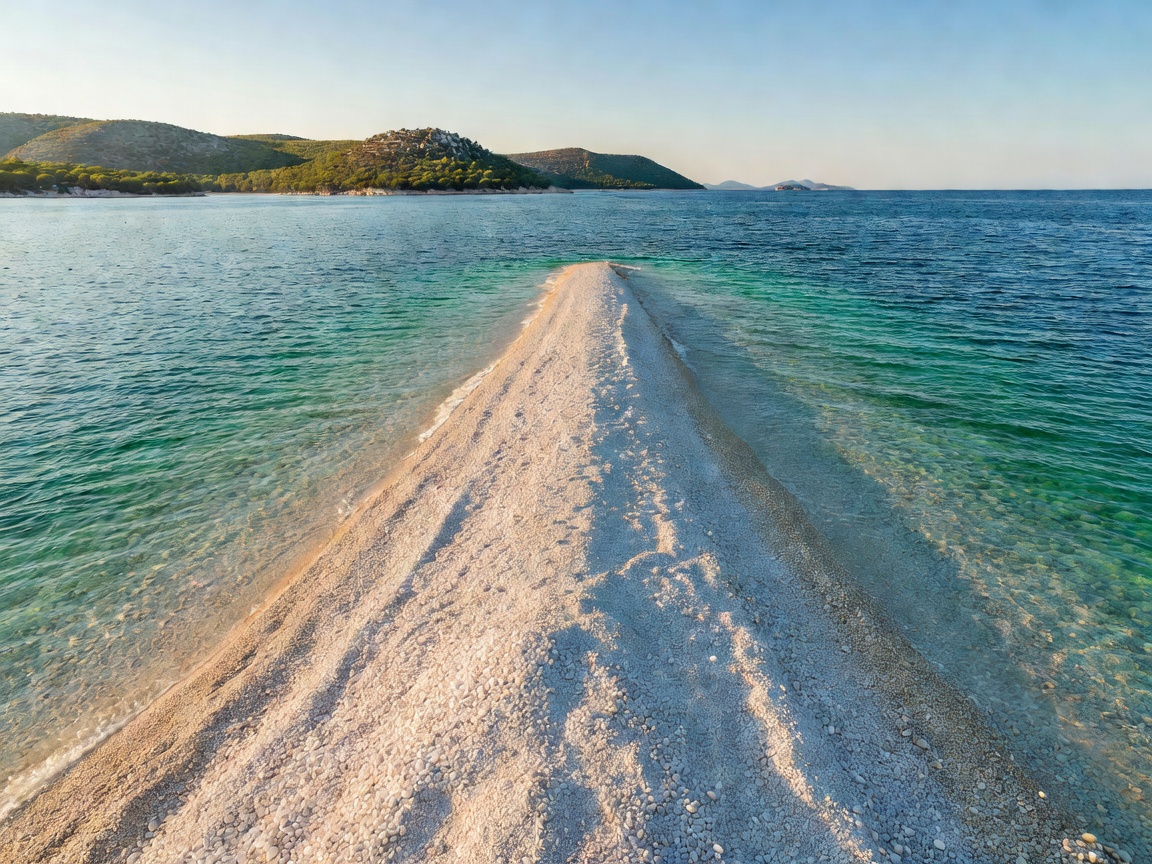
Car ferry to Supetar in 50 minutes, then across the island to Bol and the shifting golden horn.
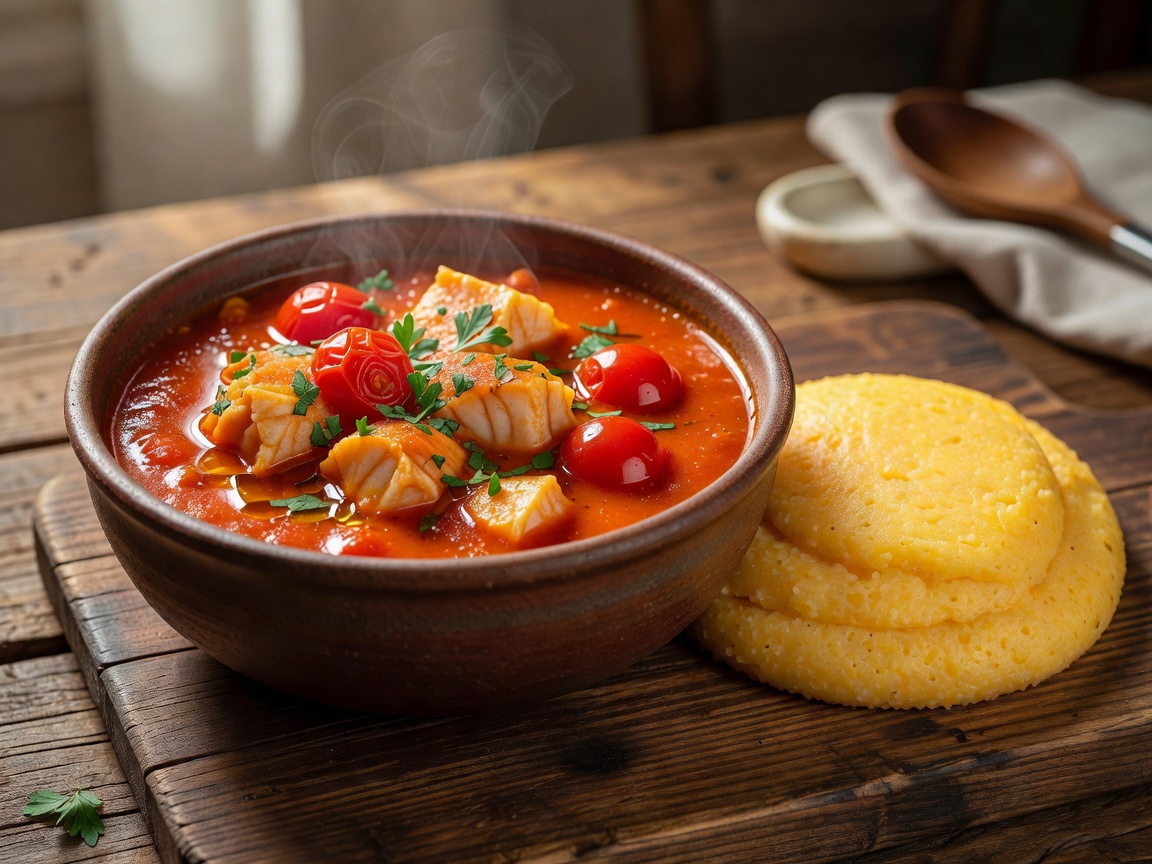
The open green market by the Silver Gate and the 1890s fish market where, famously, no flies settle.
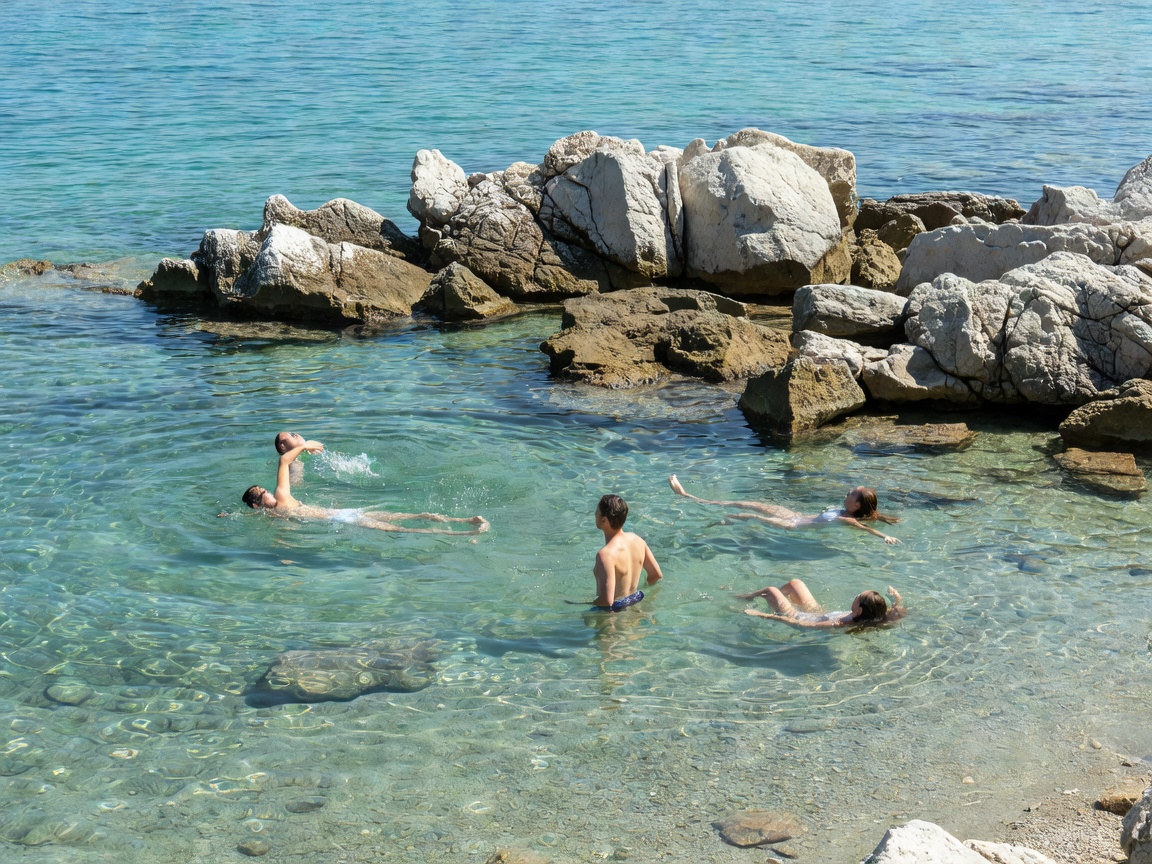
Touch Gregory of Nin’s bronze toe if you like — everyone does — then enter the palace from the north.
Buy the combined ticket. The temple of Jupiter with its coffered ceiling is two minutes away and usually empty.
Grilled fish and blitva (chard with potato and olive oil). Then a long siesta, as the city does.
Climb the steps, watch the light go orange over Čiovo, and swim at Kašjuni if there is time.
Brač for the beach, Trogir for the stone carving, Solona’s Roman ruins for the archaeology.
Watch picigin at dusk, then join the evening korzo promenade with an ice cream.
| Airport | Split Airport (SPU) at Kaštela, 24 km west. Airport bus to the main bus station takes about 40 minutes for roughly €8; city bus 37 is cheaper and slower. |
|---|---|
| Ferry port | Gradska luka, a four-minute walk from the palace. Jadrolinija, Krilo and TP Line all depart from here for Brač, Hvar, Vis, Korčula and Dubrovnik. |
| Bus & train | The bus station, train station and ferry terminal sit side by side. Buses to Zagreb take 5–6 hours; to Dubrovnik about 4.5 hours. |
| Palace entry | Walking the streets is free at all hours. Cathedral, bell tower, crypt, baptistery and treasury combined ticket is around €10; cellars around €8. |
| Getting around | Walk. Promet Split buses cover Marjan, Bačvice and Kaštela for about €1.50–2 per ride. |
| Parking | Avoid the centre. Use the Sukoišan or Koteks garages, or park at the bus station area. €1.50–3 per hour. |
| Best time | May, June and September. July and August are hot and the ferry queues are long. |
| Budget | Double room in shoulder season €90–150; konoba dinner for two €55–85; local beer €3.50. |
Official tourist board: visitsplit.com. Ferry timetables: jadrolinija.hr and krilo.hr.