Home / Beaches

Adriatic coastline

Croatia’s best beaches

Croatian beaches are pebble, shingle and rock far more often than sand — which is exactly why the water is so clear. Here is where to swim, what to bring, and which famous names are worth the journey.

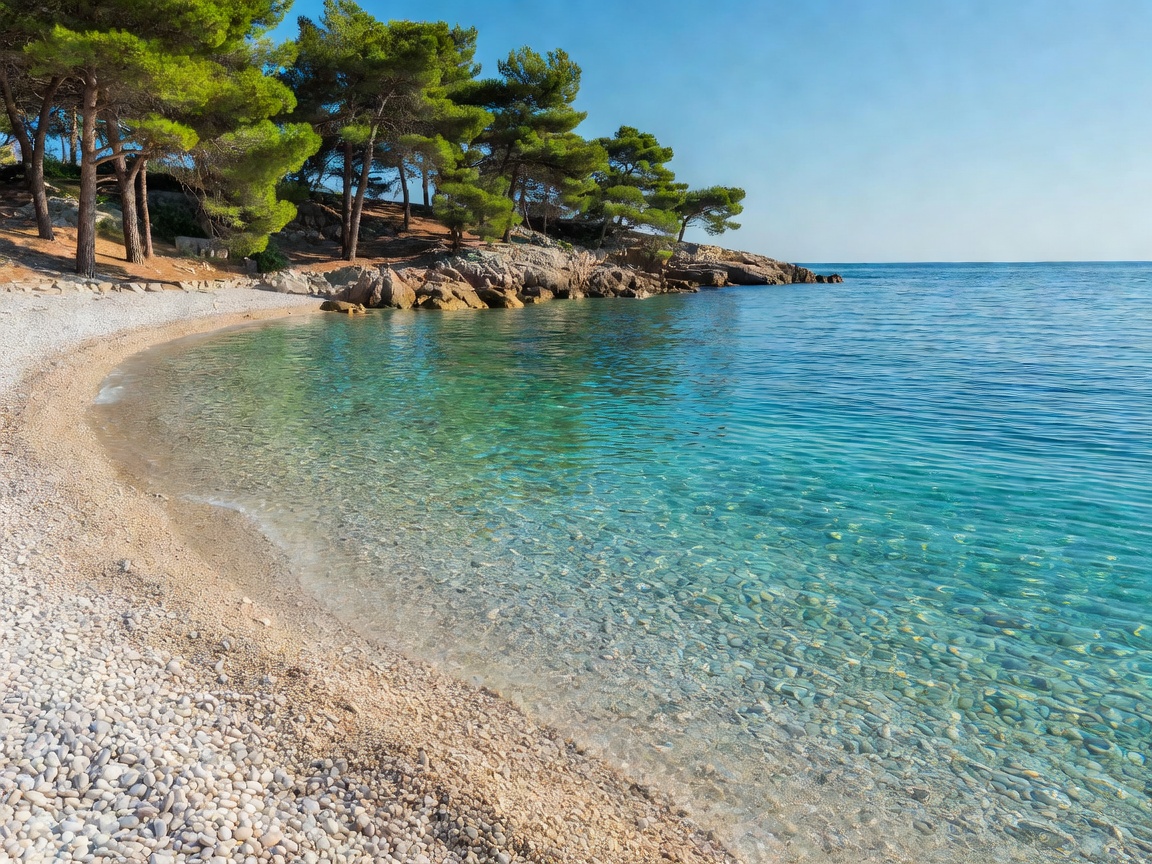
Pebble beach with transparent turquoise water and pine trees on the Croatian coast
6,278 kmTotal coastline with islands
24–27 °CSea in July–August
~100Blue Flag beaches
PebbleDominant beach type
Read this first

What a Croatian beach actually is

Expect smooth white pebbles, sometimes graded down to coarse shingle, occasionally flat rock slabs with ladders bolted into them. Genuine sand exists — Sakarun on Dugi Otok, Vela Pržina on Korčula, Šunj on Lopud — but it is rare and usually shallow for a long way out, which makes those beaches magnets for families. The trade-off for pebbles is water clarity: no fine sediment is stirred up, so visibility often exceeds fifteen metres.

Bring water shoes. This is not fussiness — entries are frequently rocky and sea urchins are common around rocky ledges. Bring shade too: pine cover is patchy and umbrella hire on organised beaches costs €15–25 a day in peak season. Finally, note that the Adriatic has almost no tide, so the beach you see at nine in the morning is the beach you get at six in the evening.

The selection

Six beaches worth planning a day around

Each entry notes the realistic access effort, because half of Croatia’s best swimming requires a walk or a boat.

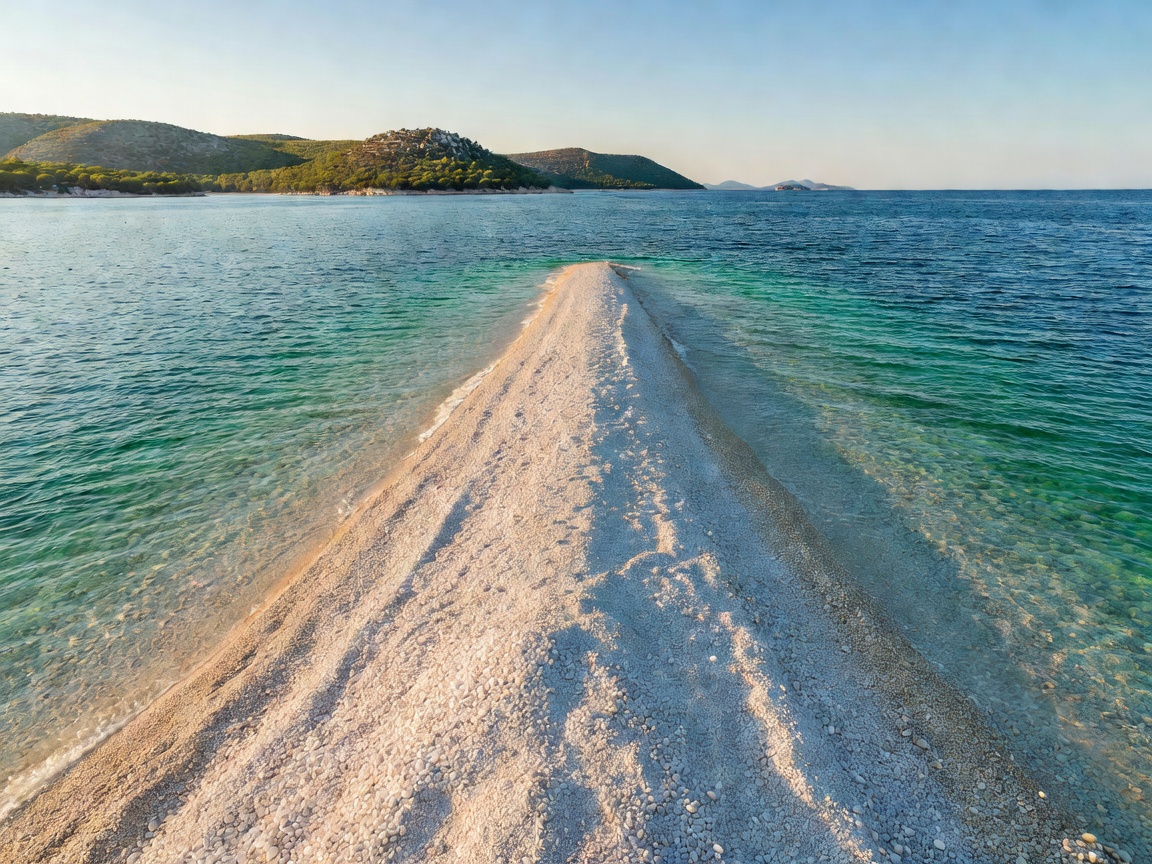
Golden Horn pebble spit reaching into the sea at Bol on Brač
Brač · Bol

Zlatni Rat

The Golden Horn: a 500-metre pebble spit whose tip physically shifts with the current and wind. Croatia’s most photographed beach.

  • Pine shade
  • Windsurfing
  • Busy
20 min walk from Bol Getting to Brač
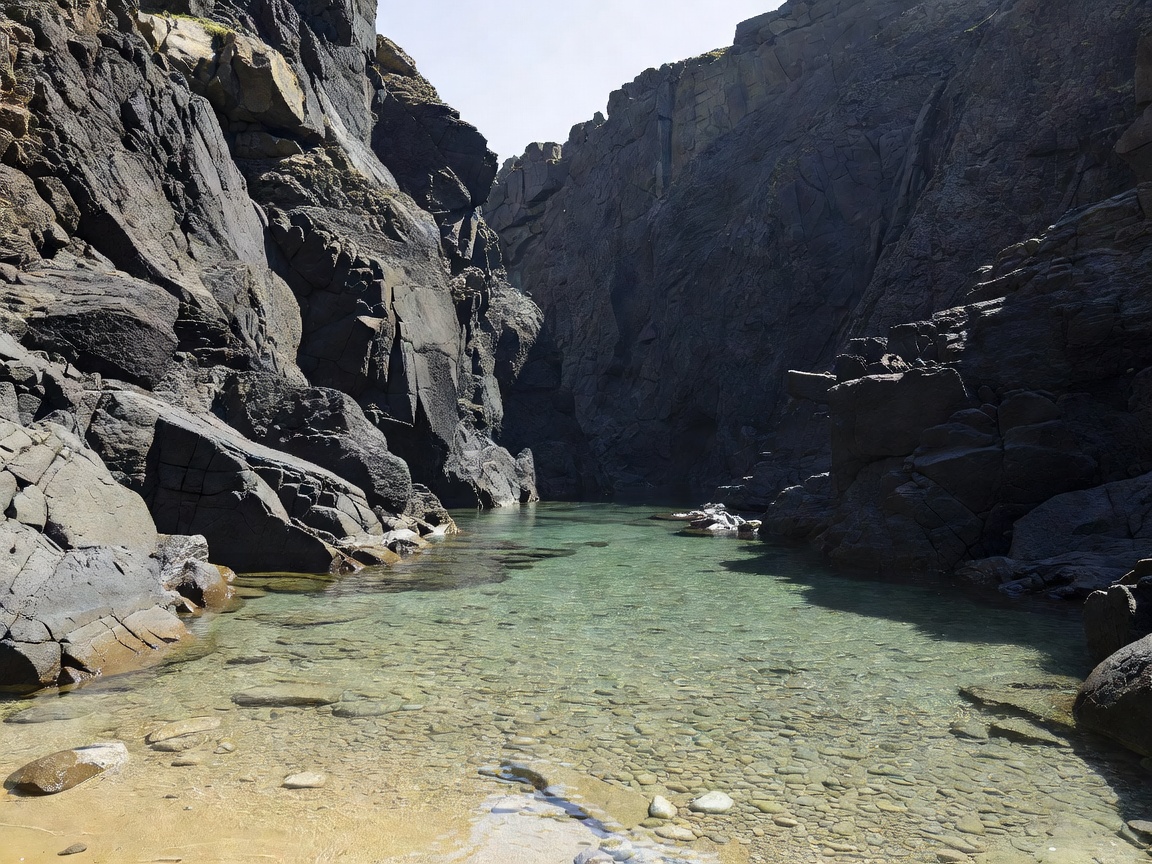
Narrow cove enclosed by steep cliffs with clear shallow water
Vis

Stiniva

A collapsed sea cave forming a bay behind a narrow rock gateway. Reached by a steep 20-minute scramble or by boat.

  • Steep path
  • No facilities
  • Go early
Boat easier than walking Vis notes
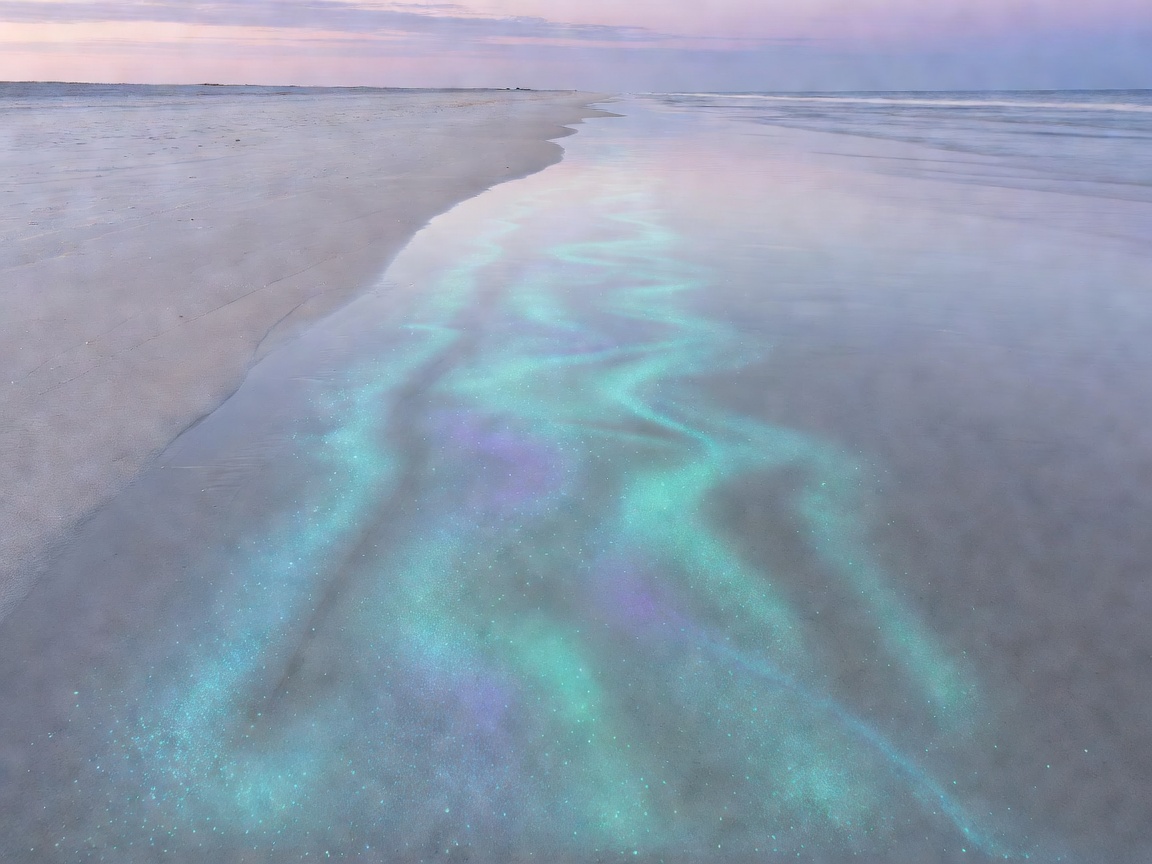
Long pale sandy beach with very shallow glowing water
Dugi Otok

Sakarun

Eight hundred metres of pale sand and water that stays waist-deep for a remarkable distance. Genuinely Caribbean-looking.

  • Real sand
  • Families
  • Limited shade
Ferry from Zadar Zadar guide
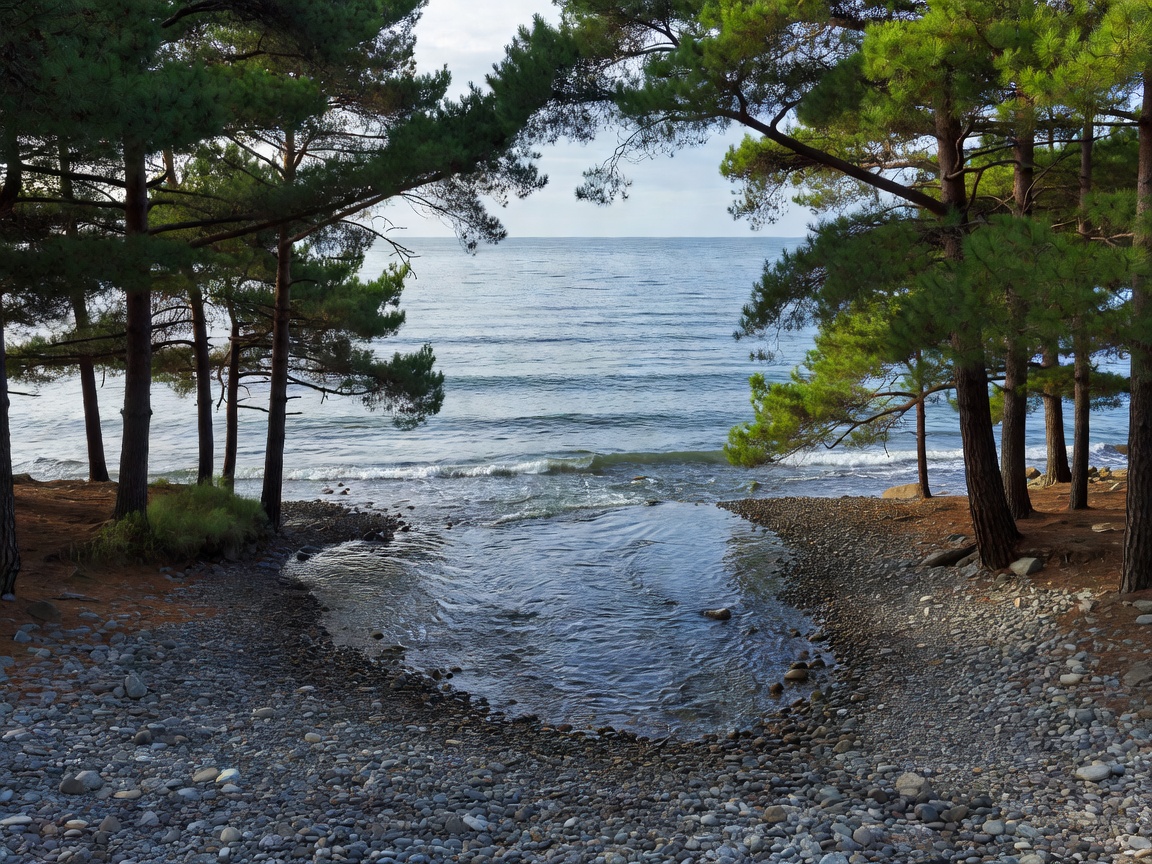
Pebble beach framed by pines with a river mouth entering the sea
Makarska Riviera

Punta Rata, Brela

White pebbles, pines leaning over the water and the Biokovo mountain wall rising behind. The Riviera at its best.

  • Good shade
  • Blue Flag
  • Easy access
45 min from Split Drive the D8
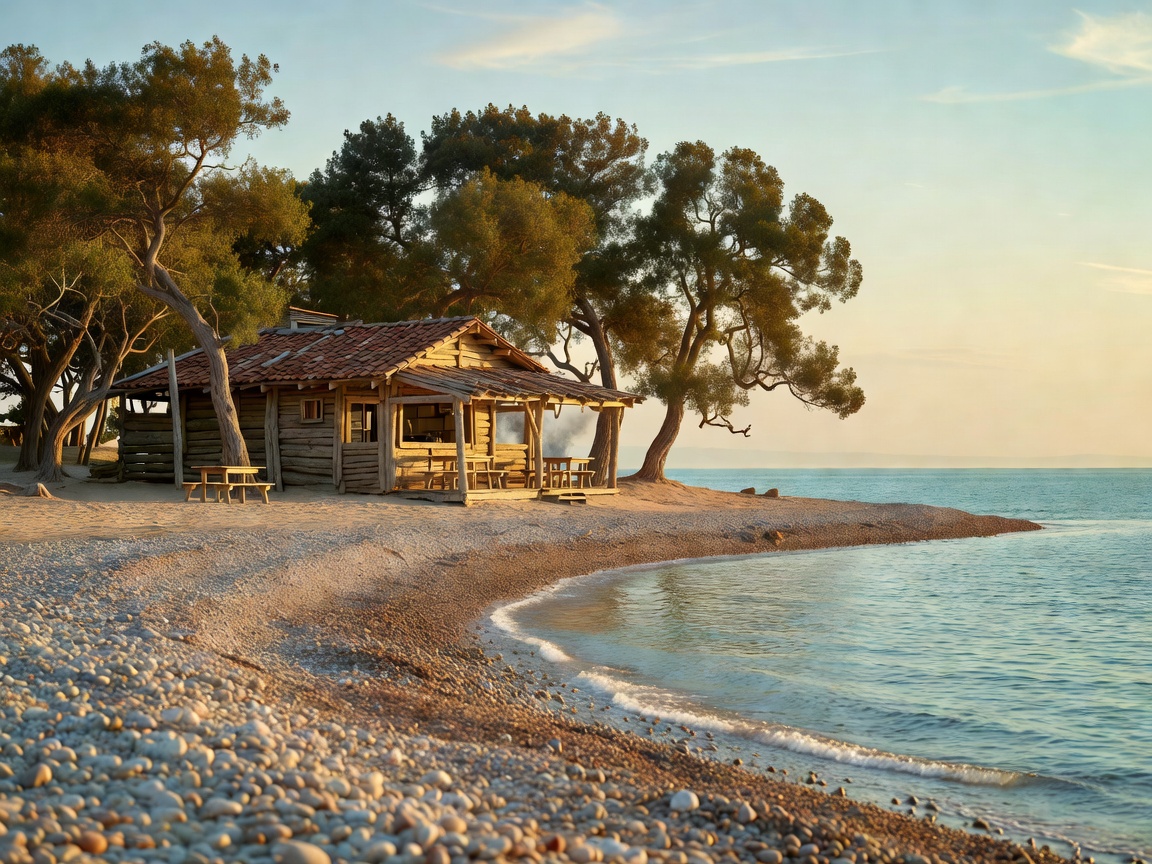
Wide bay with pebbles and a rustic beach restaurant among trees
Korčula

Pupnatska Luka

A hairpin descent to a broad undeveloped bay with two beach konobas and dense pine along the back.

  • Car needed
  • Shade
  • Simple food
Quieter than Hvar Korčula guide
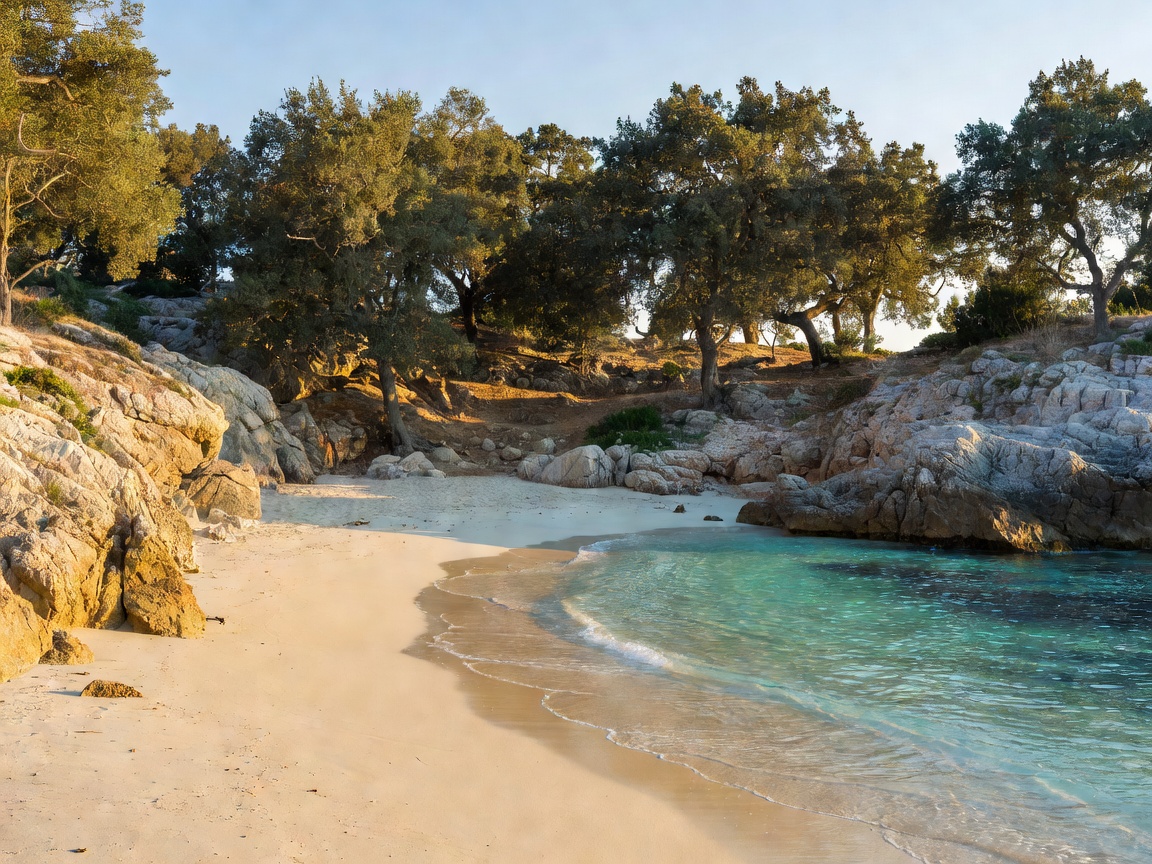
Sheltered sandy bay backed by oaks on a small Adriatic island
Lopud · Elaphiti

Šunj

A rare sandy bay on a car-free island, thirty minutes by public ferry from Dubrovnik and then a walk or golf-cart ride across.

  • Sand
  • Car-free island
  • Shallow
Best Dubrovnik beach day Dubrovnik guide
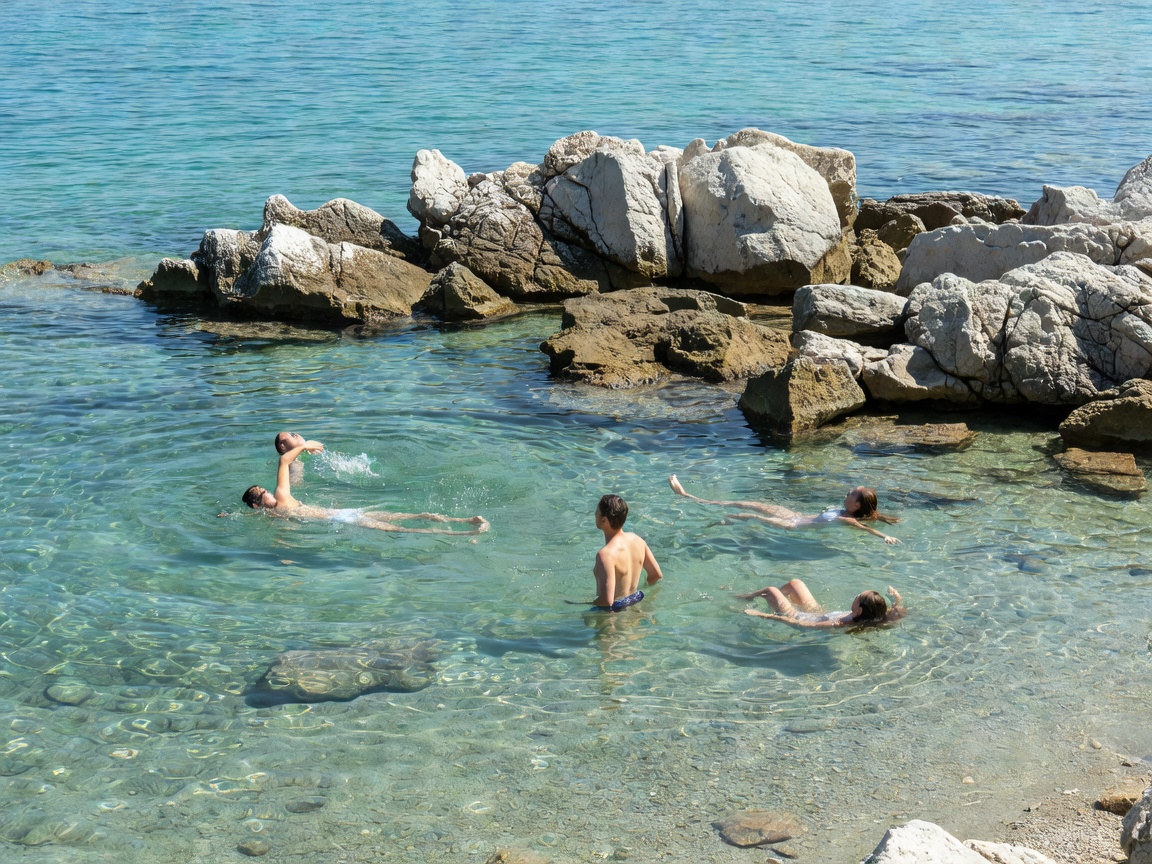
Swimmers in clear shallow water beside limestone rocks on the Adriatic
€0Most beaches free
Practical advice

Nine things worth knowing

  • Water shoes are the single most useful item you can pack. Sea urchins are common and pebbles are hard on bare feet.
  • Most beaches are public and free. You pay only for sunbeds, umbrellas and refreshments. Nobody can charge you for access.
  • The bura wind can drop air temperature sharply and churn the sea; the jugo brings humidity and swell. Check a local forecast.
  • Naturist beaches are marked FKK and are entirely normal on this coast — approach with respect rather than curiosity.
  • Jellyfish are occasional rather than constant. Local pharmacies stock effective after-sting gel.
  • Shade runs out by 10:00 in July. Arrive early or bring your own umbrella.
  • Pack out your litter. Many of the best coves have no bins because they have no road.
  • Sea temperature is swimmable from late May (around 20 °C) through to late October (around 20 °C), peaking near 27 °C in August.
  • Cash is still useful at small beach bars on the islands, though card acceptance is now widespread.