Dubrovnik
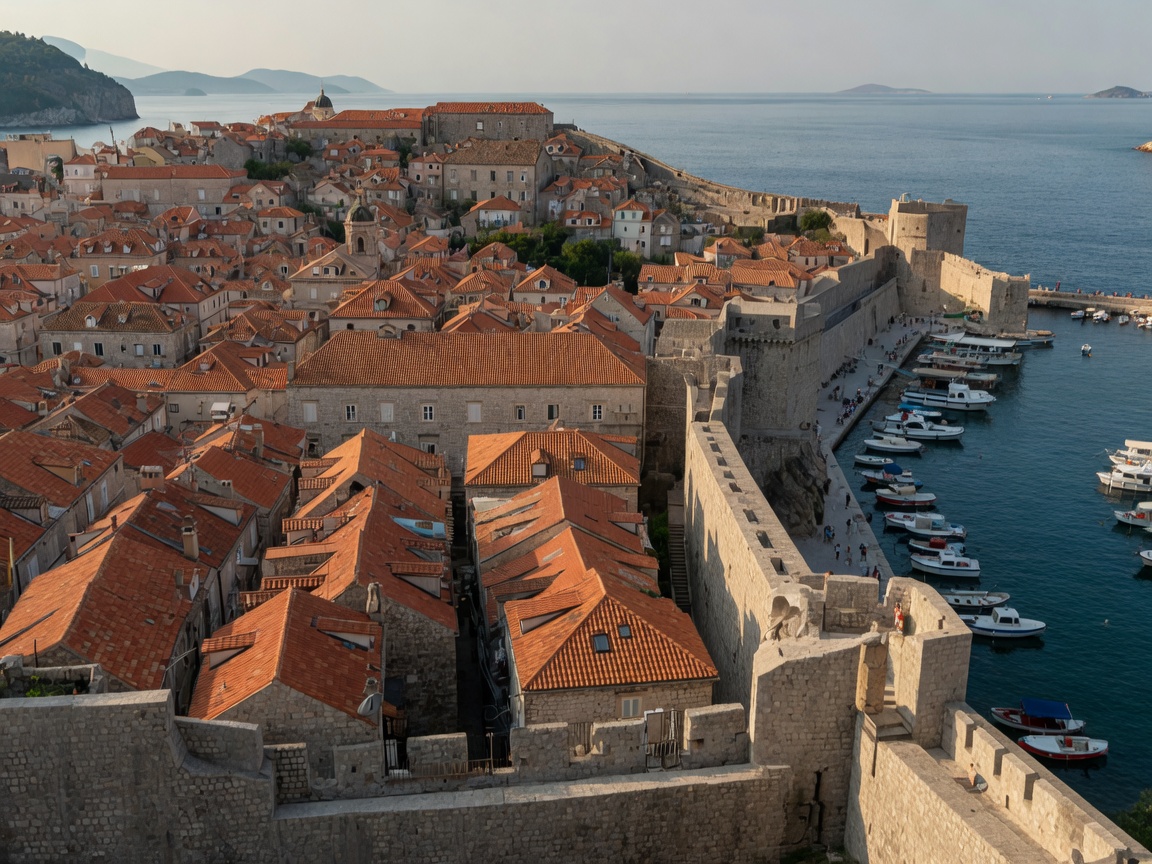
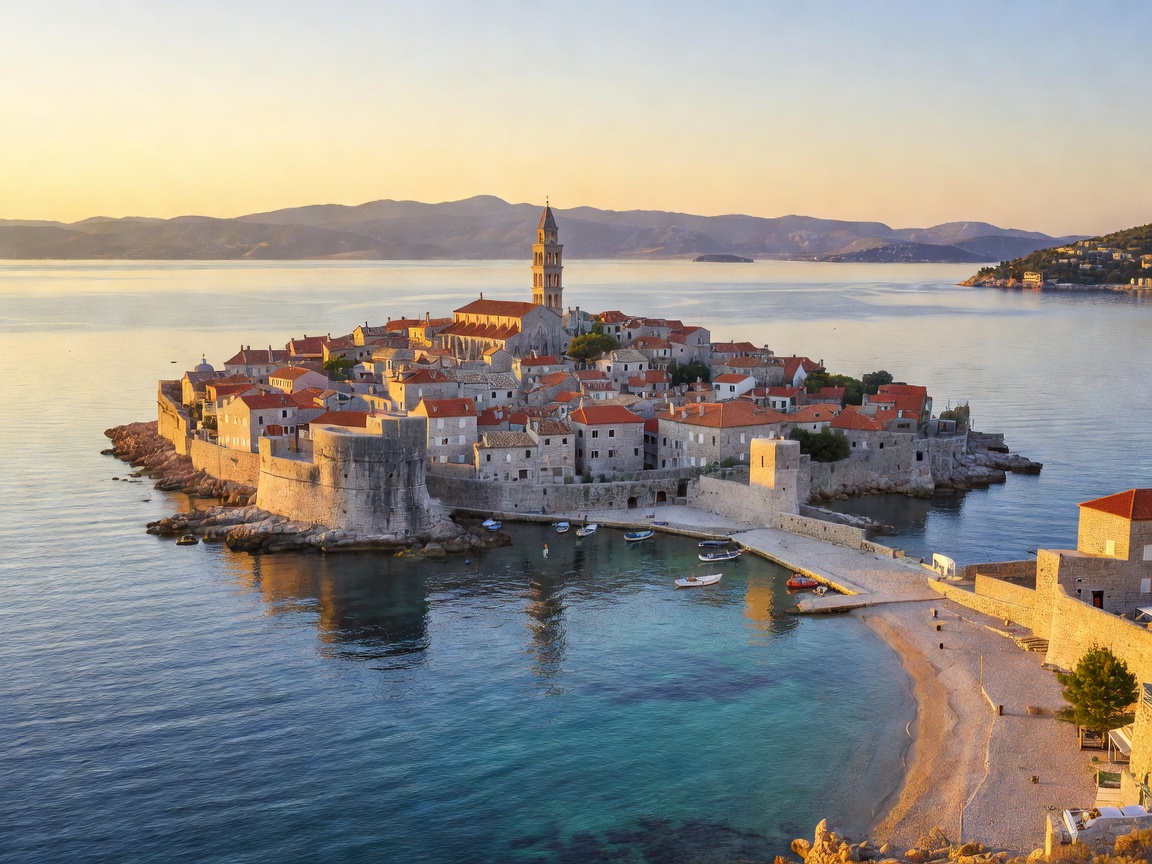
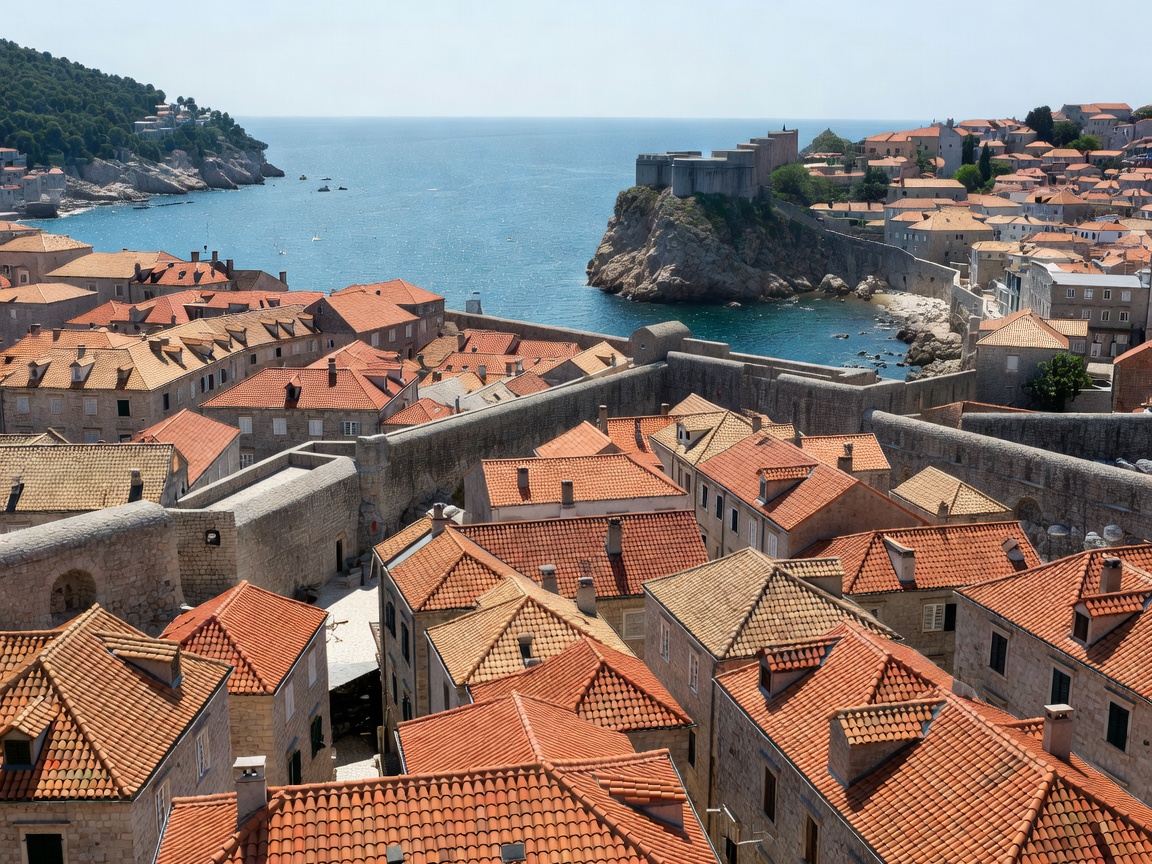
Two kilometres of intact walls, a marble main street and a cable car that turns the whole peninsula into a model village.
- UNESCO
- 2–3 days
- Walls €35
Historic cities, island escapes, national parks and unforgettable coastal journeys — written on the ground between Dubrovnik’s limestone walls and the pine shade of Korčula.
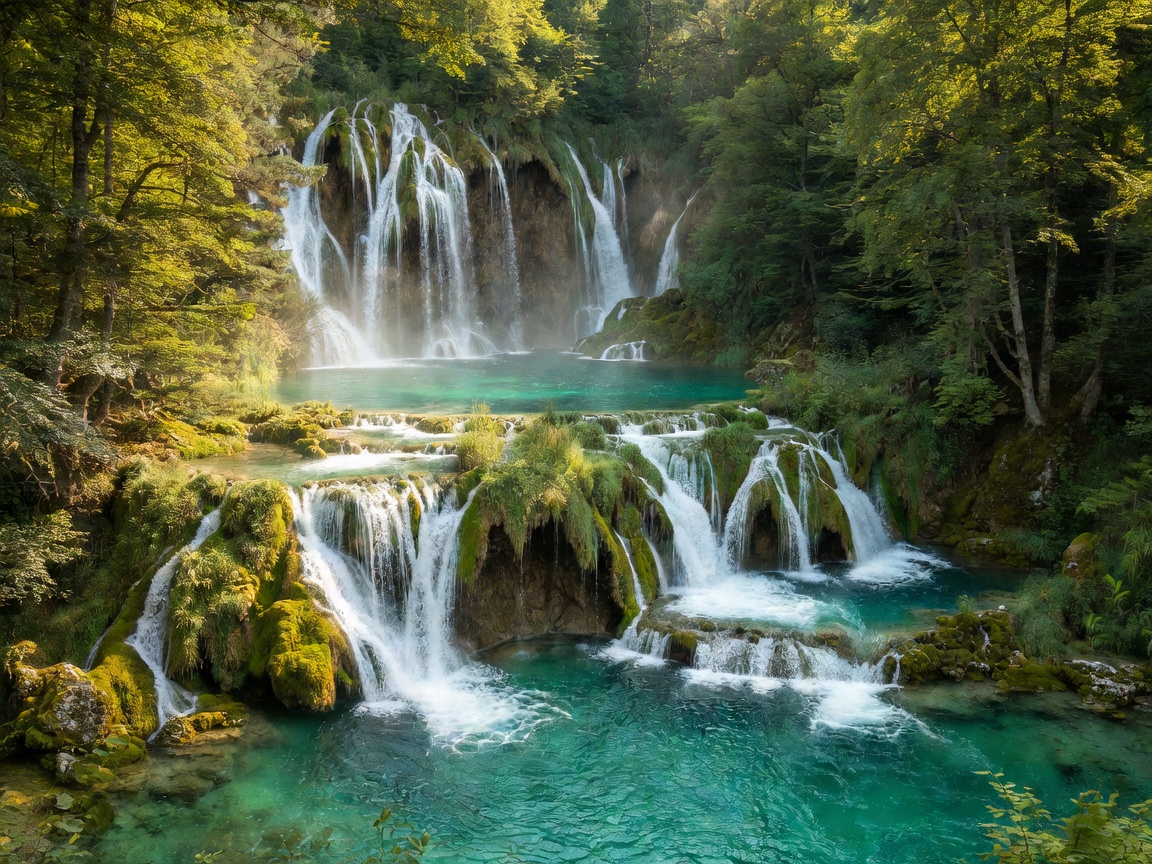
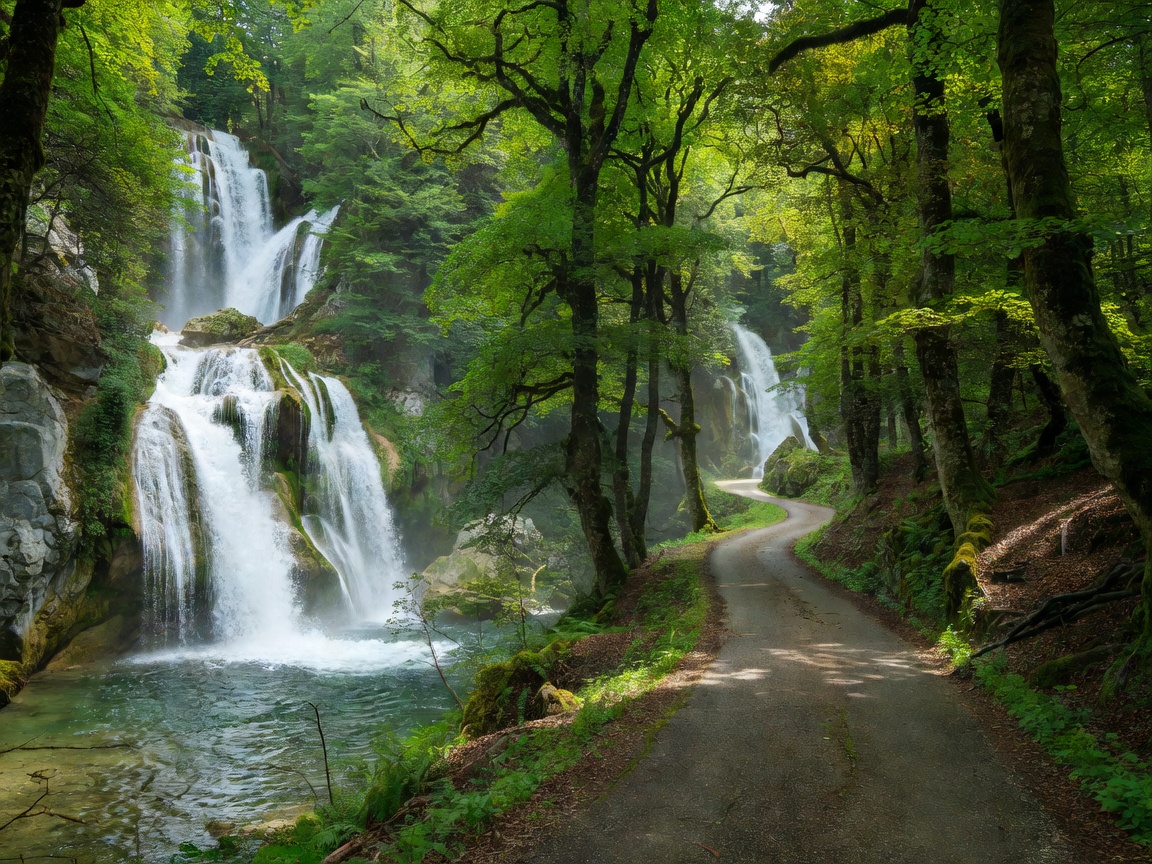
Plitvice Lakes16 terraced lakes
Hvar TownFerry 1h from Split
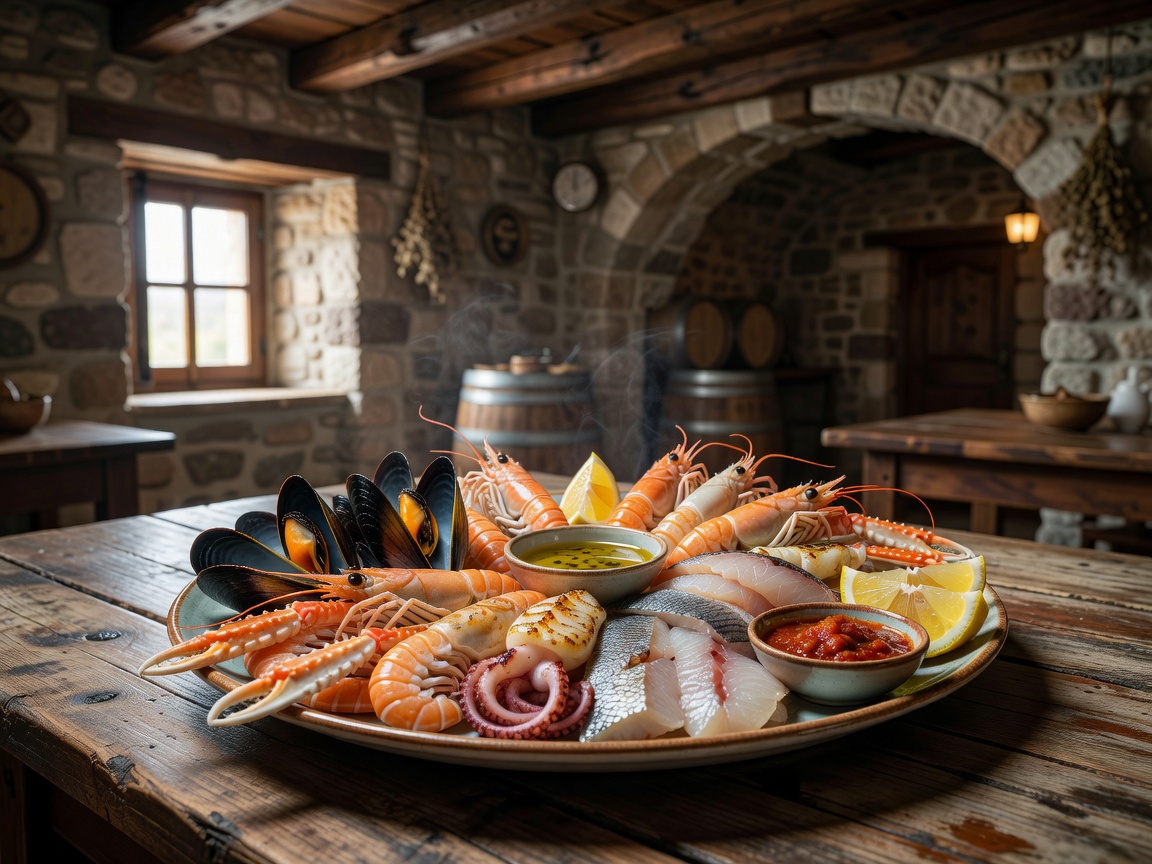
Konoba diningPeka & black risotto
Each guide below is written from repeated visits — opening hours we have checked, prices in euro, ferry timings that actually match the published Jadrolinija schedule, and the quiet hours when the walls and waterfalls empty out.

Two kilometres of intact walls, a marble main street and a cable car that turns the whole peninsula into a model village.

A living Roman palace where laundry hangs from imperial arcades and the ferry port sits four minutes from the cellars.

Roman forum, Sea Organ, and the sunset Alfred Hitchcock called the most beautiful in the world. Still underrated.

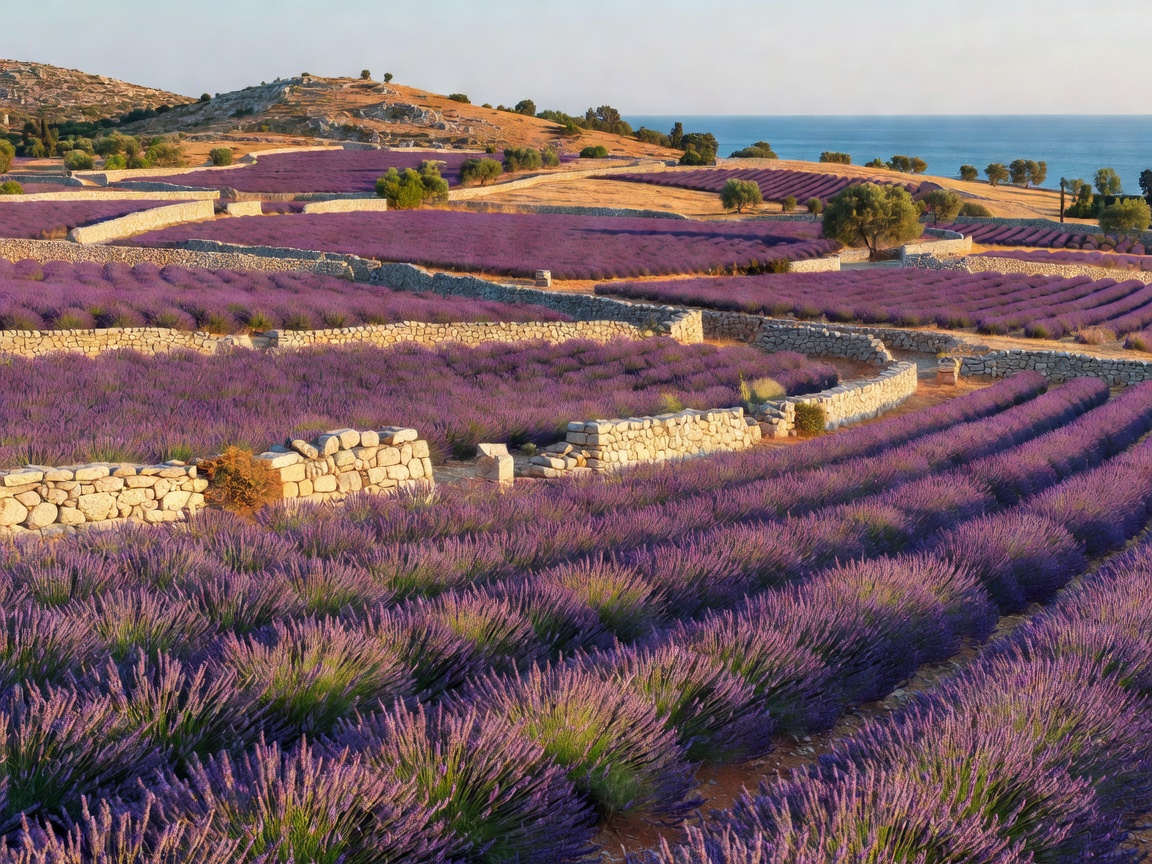
Lavender fields, Pakleni coves and a Renaissance square — plus the Stari Grad Plain, farmed continuously since 384 BC.

A herringbone street plan built to break the bura wind, the Moreška sword dance and Croatia’s finest white wines.

Sixteen travertine lakes stacked down a limestone valley, linked by 18 km of boardwalk and a silent electric ferry.

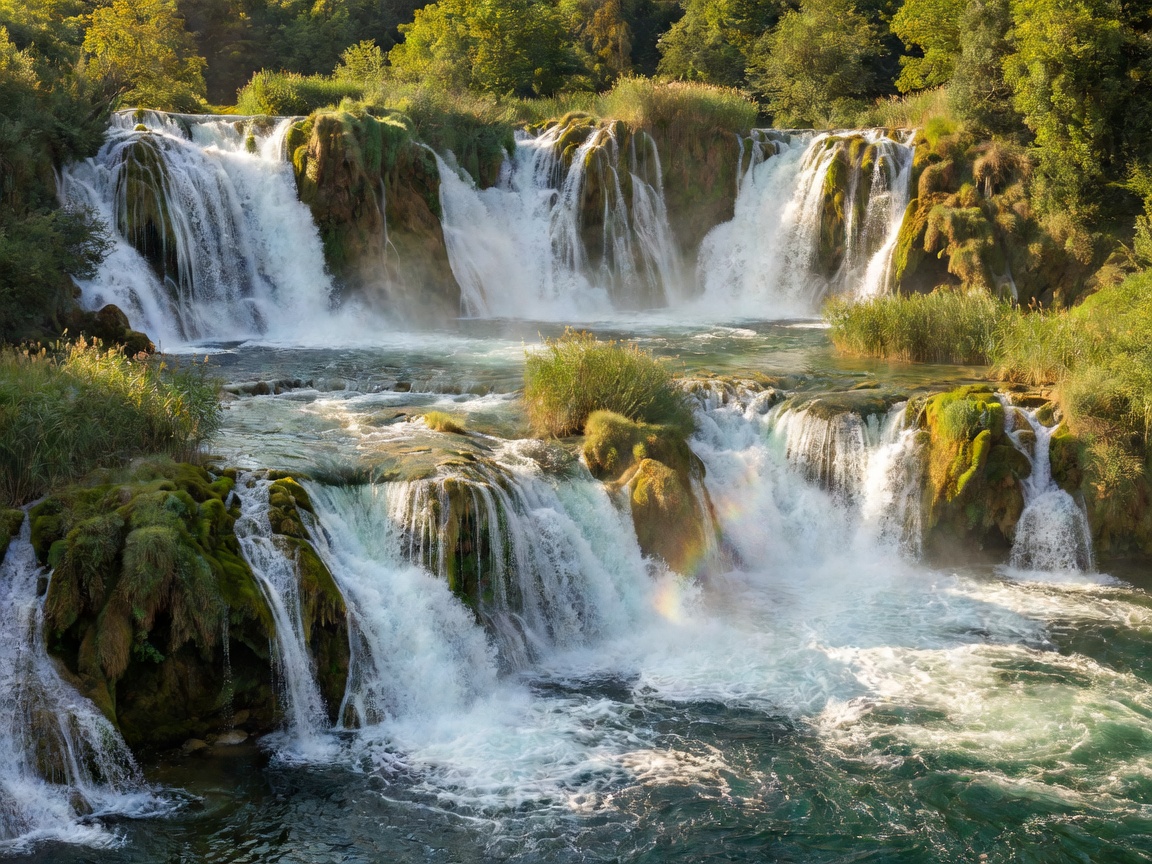
Skradinski Buk thunders beside restored water mills, reachable by a free national-park boat from the town of Skradin.

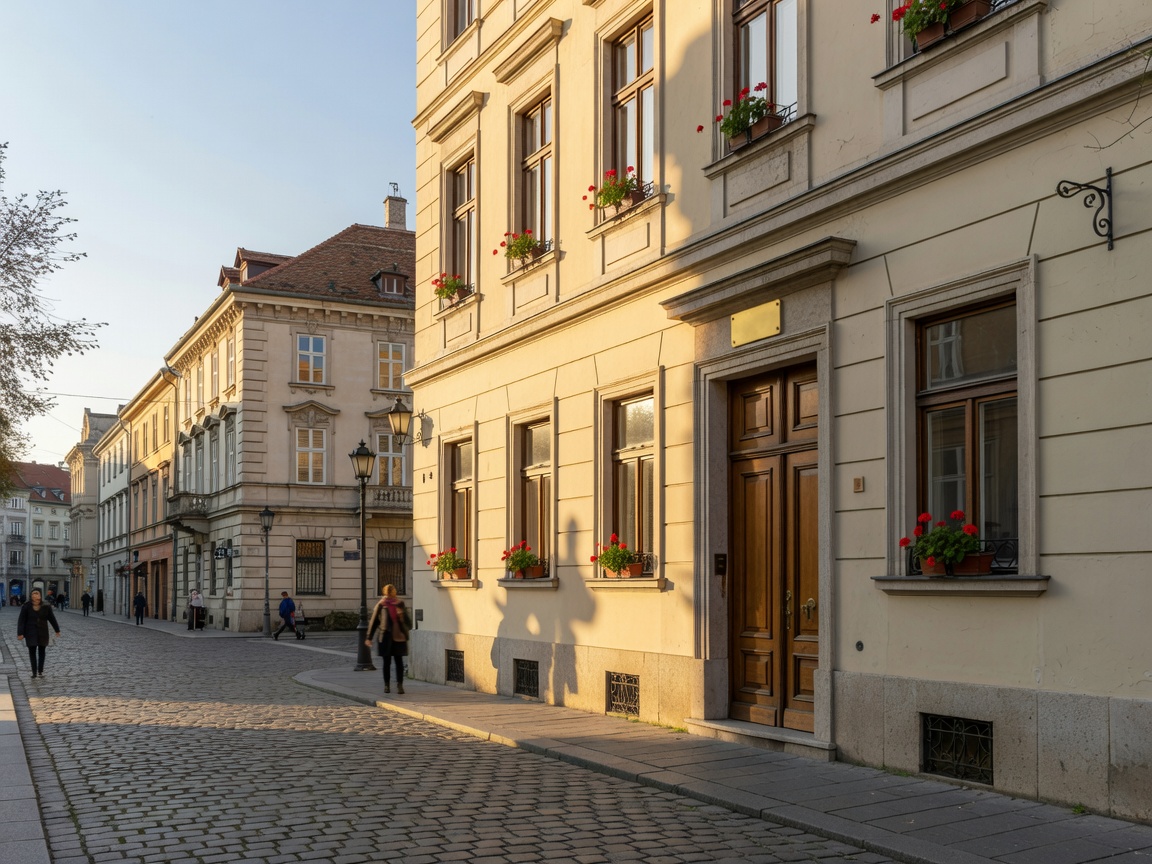
Coffee culture as civic ritual, Habsburg arcades, the Museum of Broken Relationships and Croatia’s best food market.
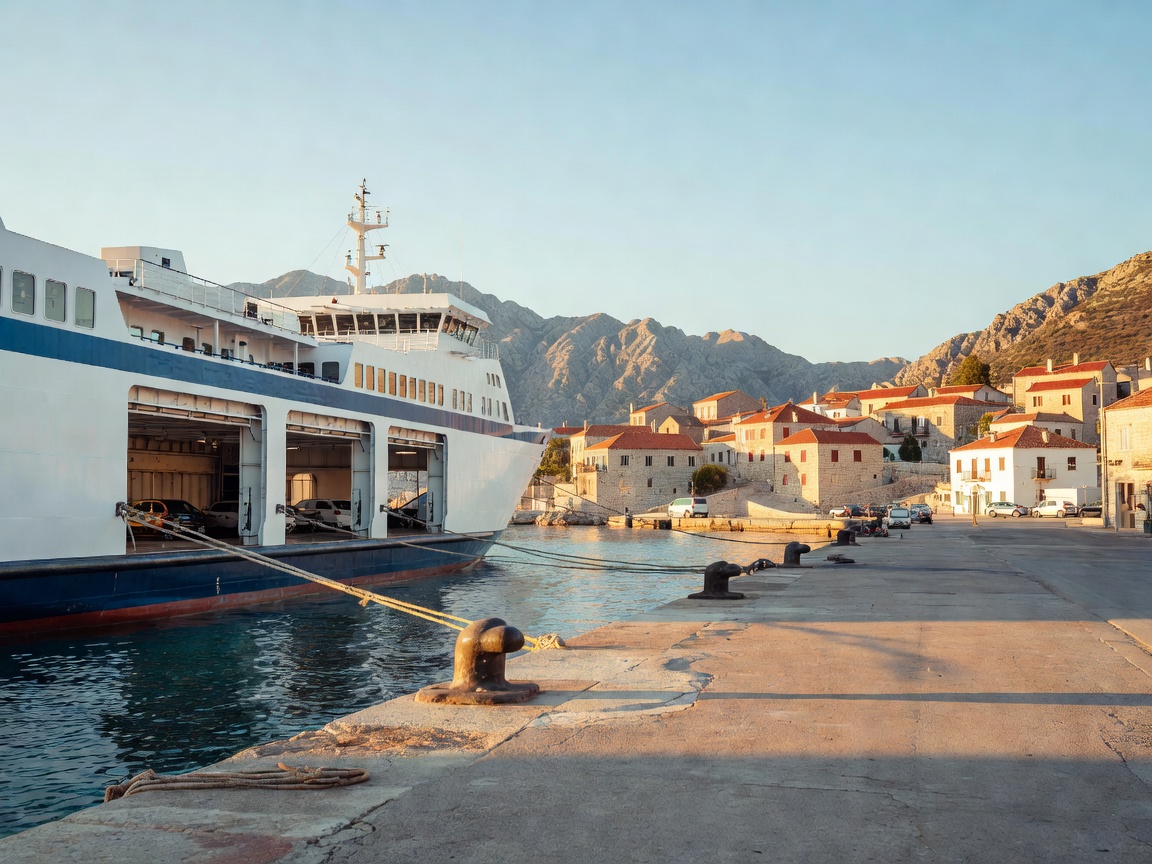
Croatia rewards travellers who plan around water. Catamarans are fast, foot-passenger only and sell out by mid-morning in August; car ferries are slower, cheaper and far more forgiving. Getting that distinction right changes an entire holiday.
Four self-guided journeys with day-by-day structure, realistic driving times, ferry connections and where to stop for lunch — not a booking funnel.

The classic north-to-south run: Plitvice, Zadar, Krka, Split, Hvar, Korčula, Pelješac and the walls.

Split, Brač, Hvar, Vis and Korčula using only public catamarans and one car ferry.
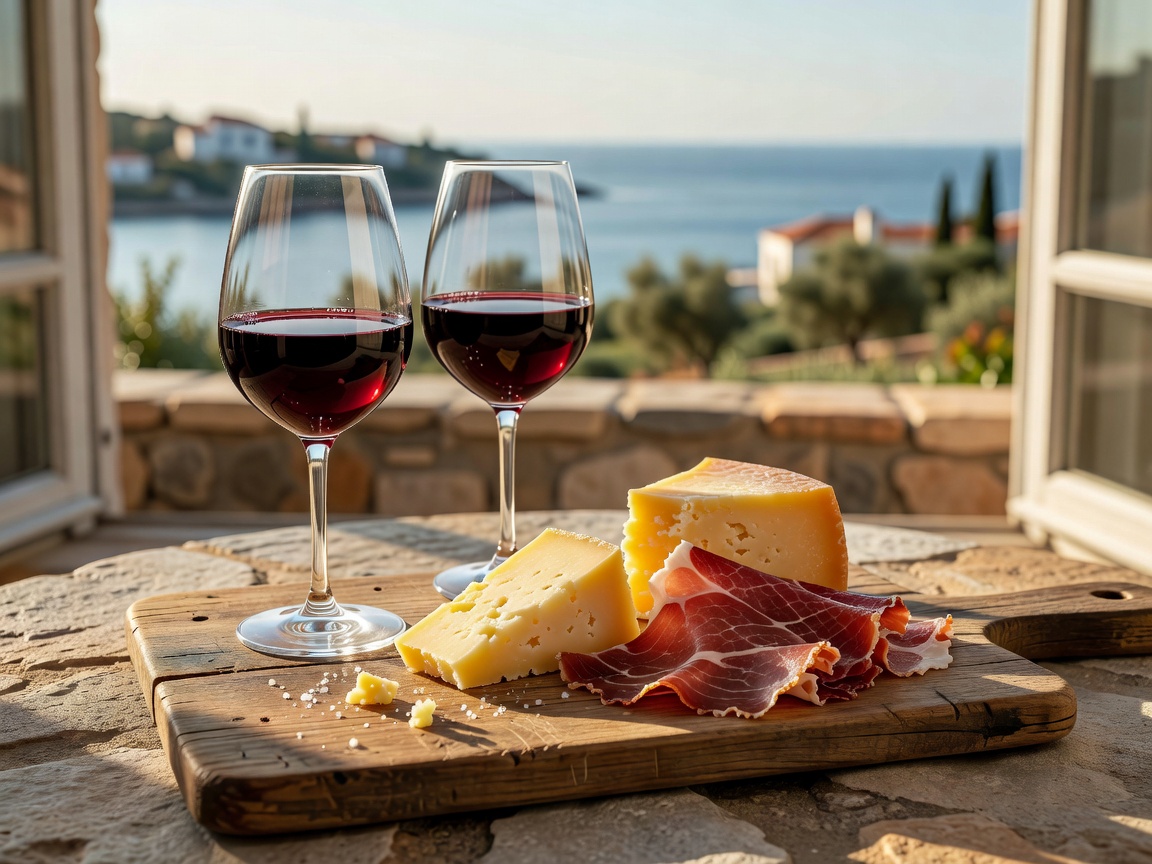
Croatian coastal cooking is a border cuisine — Venetian technique, Ottoman spice, Austro-Hungarian pastry and a stubborn Mediterranean insistence on doing very little to a very good fish. In a proper konoba you will be shown the catch on ice, it will be weighed in front of you, and it will be priced per kilogram.
Order peka (meat or octopus baked under an iron bell in embers) at least 24 hours in advance. Try crni rižot, black with cuttlefish ink. Finish with rožata, the rose-liqueur custard of Dubrovnik, and a small glass of travarica that nobody asked you whether you wanted.
Food & wine guide
The supporting guides that make the headline destinations work: where to swim without a crowd, how much a week really costs, and which road bends are worth the extra hour.

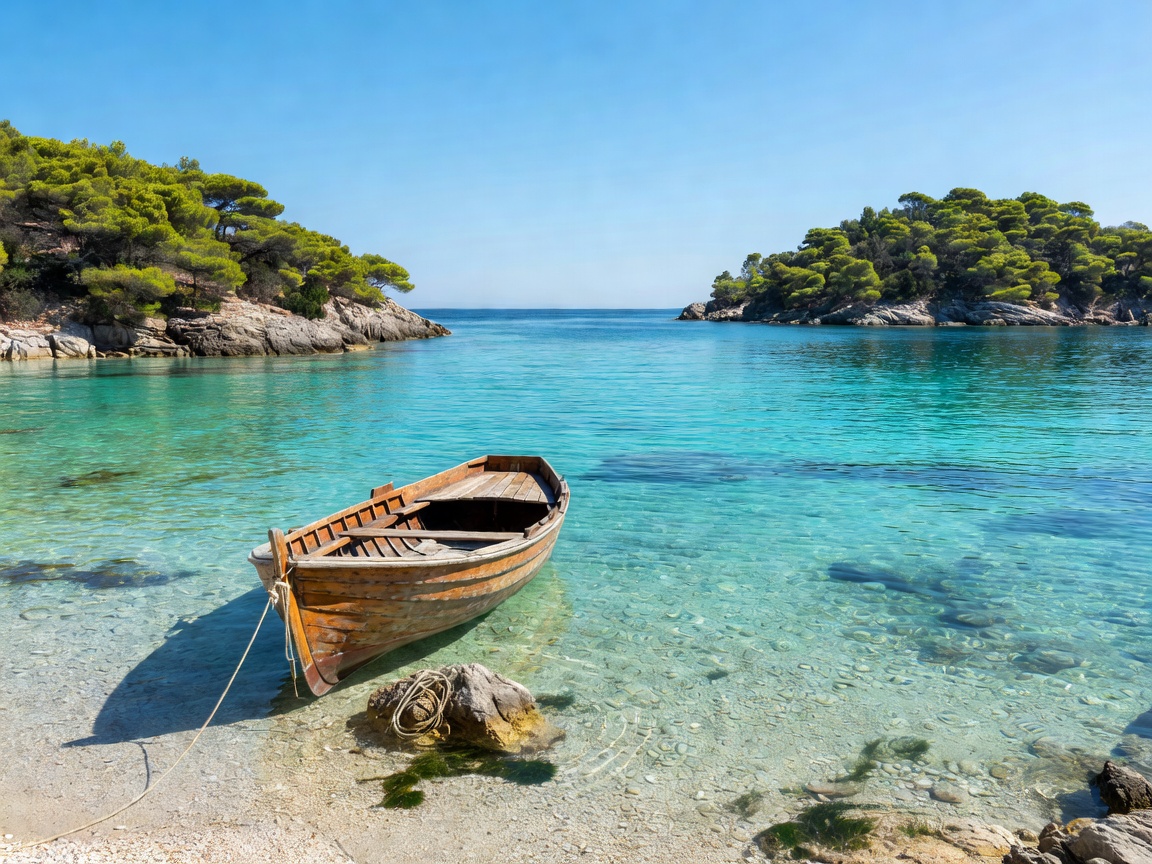
Zlatni Rat, Stiniva, Sakarun, Punta Rata and twelve coves that never make the postcards.

Five drives, from the Pelješac wine road to the Istrian hill towns and the Velebit corniche.

Jadrolinija, Krilo and TP Line explained, plus buses, trains, tolls and the Pelješac Bridge.
“Croatia is not one holiday. It is a Roman cellar, a travertine waterfall, a nine-hour lunch under a fig tree and a ferry wake at seven in the morning — and the trick is refusing to rush any of them.”