Signature
Sea Organ & Greeting to the Sun
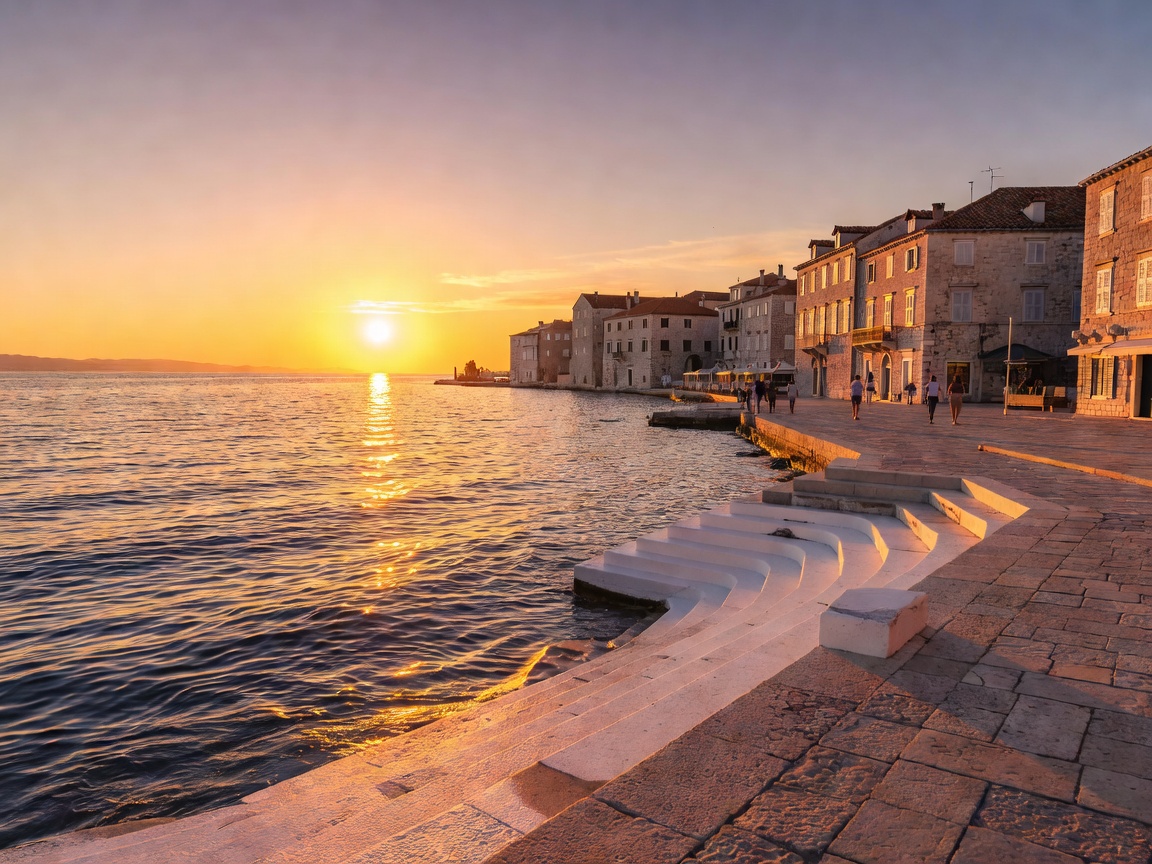
Arrive 40 minutes before sunset, sit on the steps, let the swell do the rest.
- Free
- Sunset
- Riva
Loudest in a swell
Timing
Home / Destinations / Zadar
Northern DalmatiaThree thousand years old, bombed heavily in two wars, rebuilt with an unusual willingness to experiment — which is why a Roman forum sits fifty metres from a wave-powered pipe organ set into the quay.
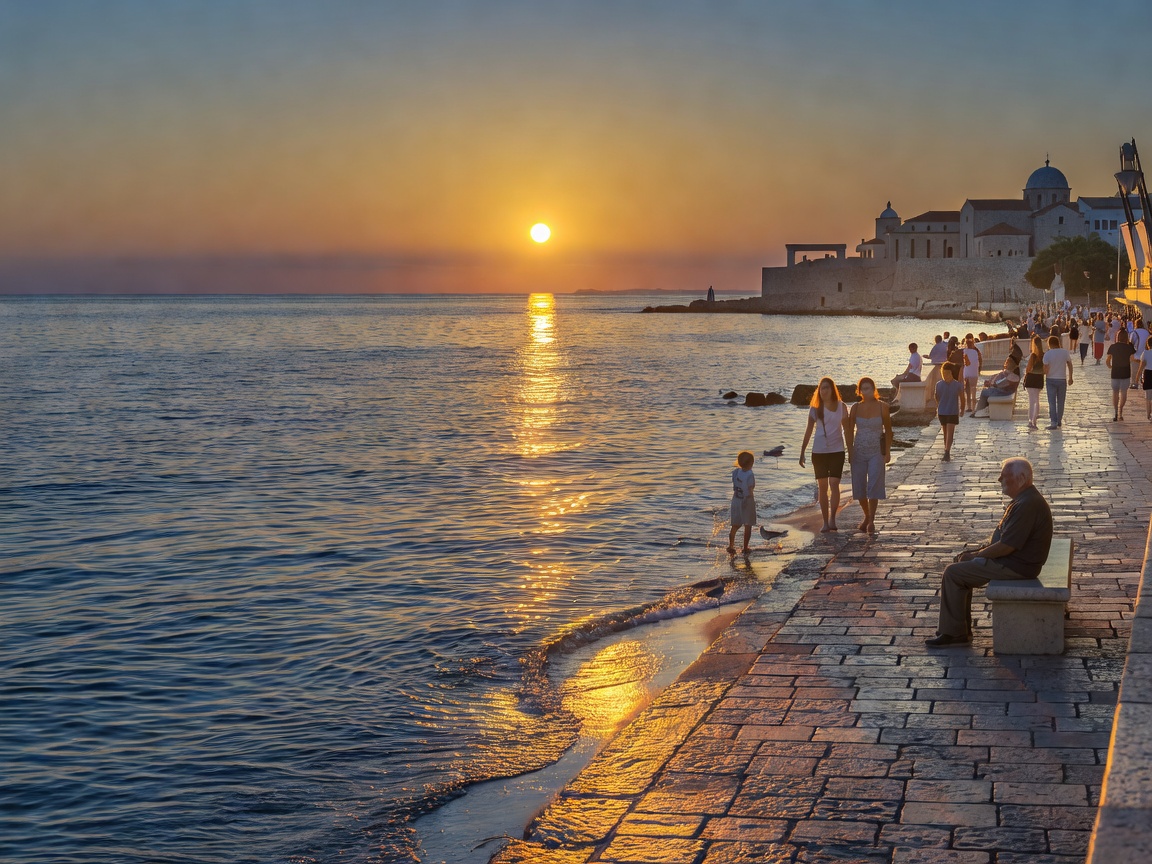
After the Second World War Zadar’s waterfront was rebuilt as a plain concrete wall. In 2005 the architect Nikola Bašić cut a broad flight of marble steps into it and hid 35 polyethylene pipes beneath, tuned to seven chords. Waves push air through them; the sea plays. Nothing is amplified, nothing is programmed, and the music changes with the weather. Beside it, the Greeting to the Sun — a 22-metre circle of photovoltaic glass plates — absorbs light all day and releases it after dark in slow patterns.
That combination is the whole character of Zadar. It is a working city rather than an open-air museum: students, a Monday fish market, a cathedral campanile you can climb, Roman columns lying where they were dropped. Prices are noticeably lower than Split and roughly half of Dubrovnik, and it is the most convenient base in the country for combining a national park, an archipelago and a beach in the same week.
Most of central Zadar is free to visit, which is a rare thing on this coast.
Arrive 40 minutes before sunset, sit on the steps, let the swell do the rest.
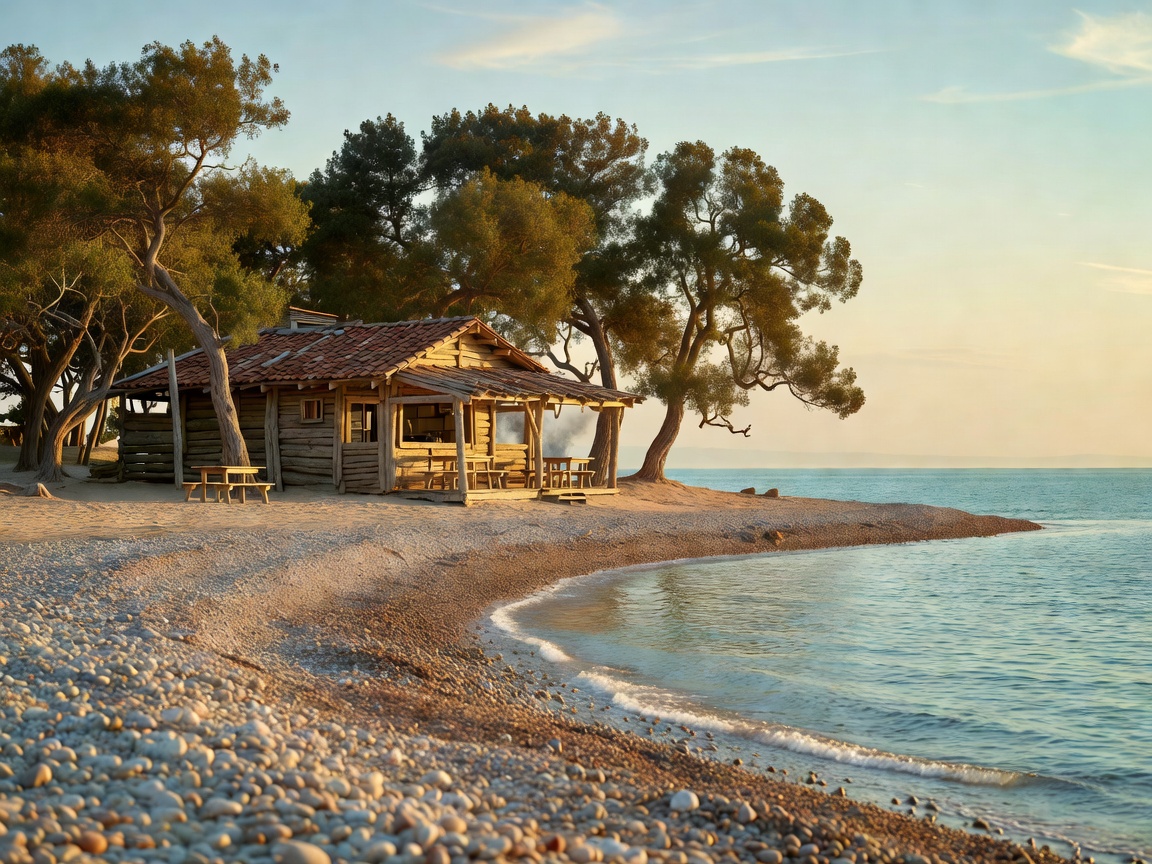
A ninth-century rotunda built directly on top of the forum paving, using Roman stone as foundations.
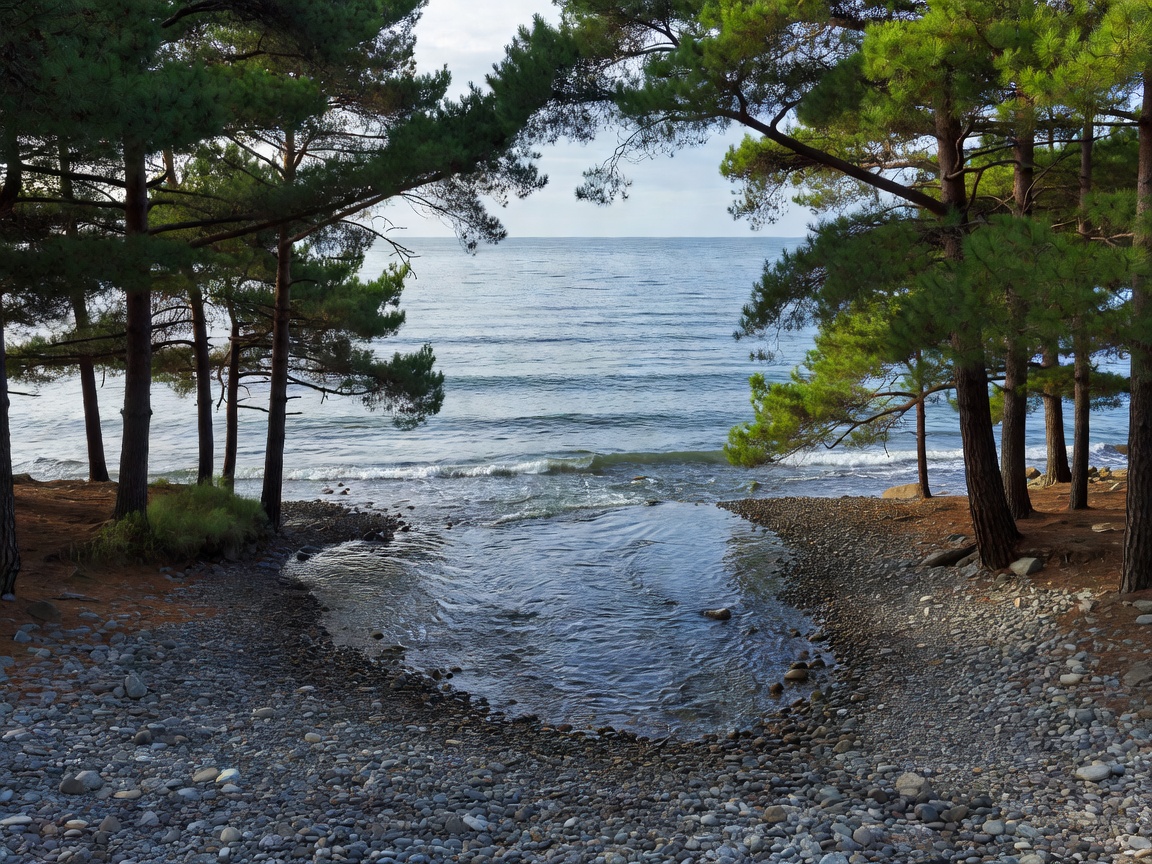
Eighty-nine stark, almost treeless islands. George Bernard Shaw called them a work of the gods; you will call them lunar.
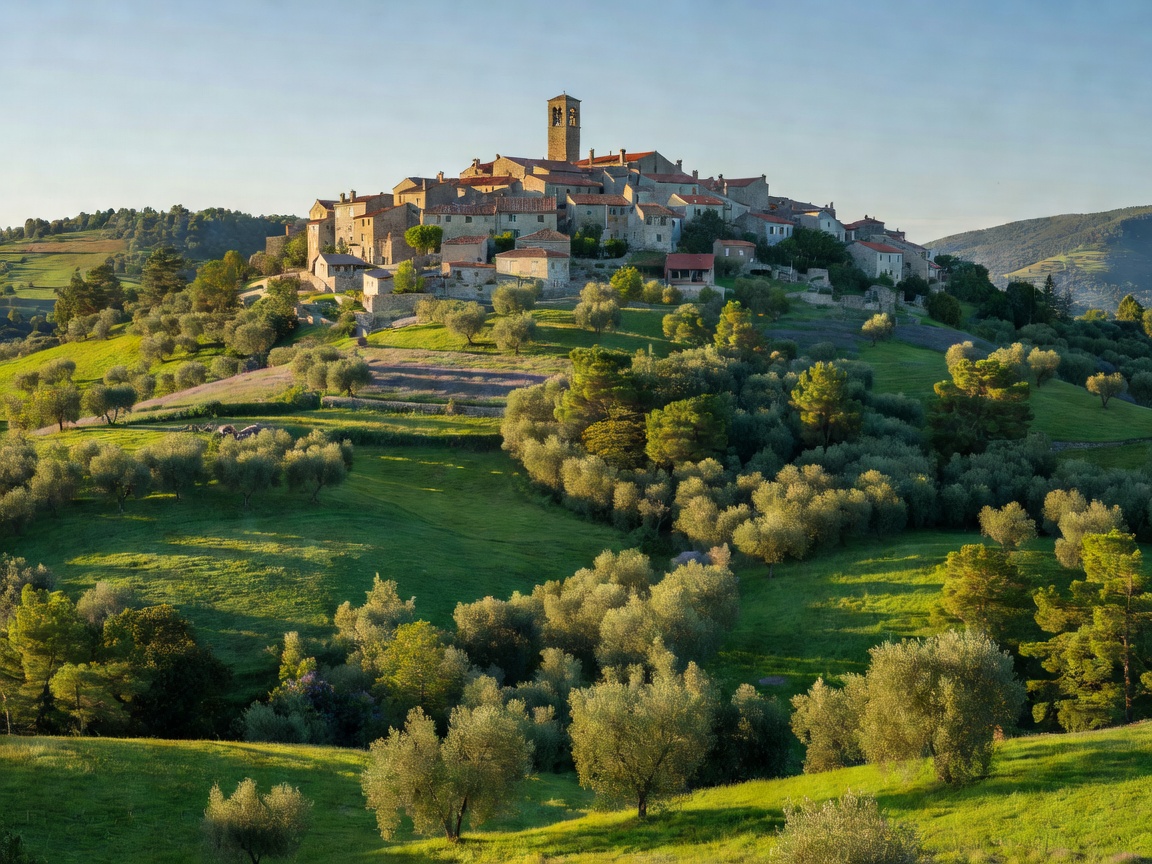
Velika and Mala Paklenica canyons cut into the Velebit range — Croatia’s best climbing and serious hiking.
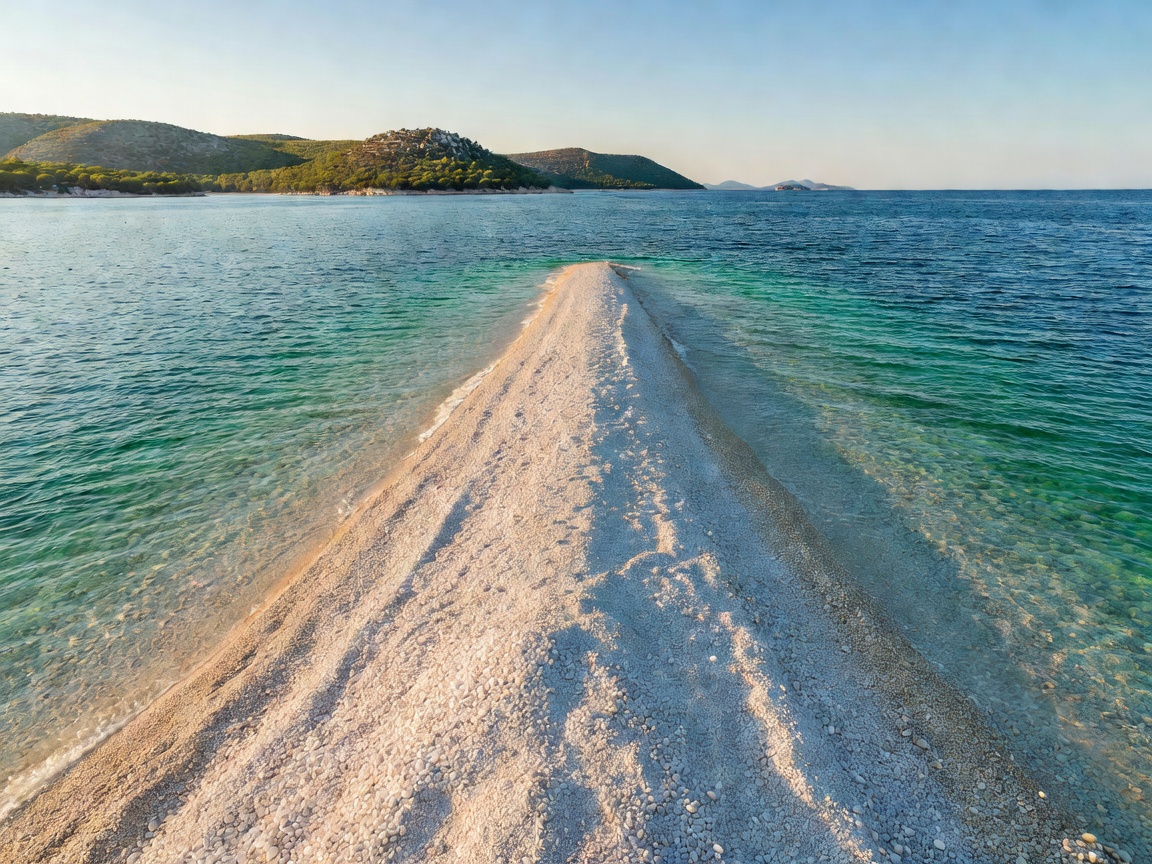
Eight hundred metres of pale sand and water so shallow it glows. Ferry from Zadar to Brbinj or Božava.
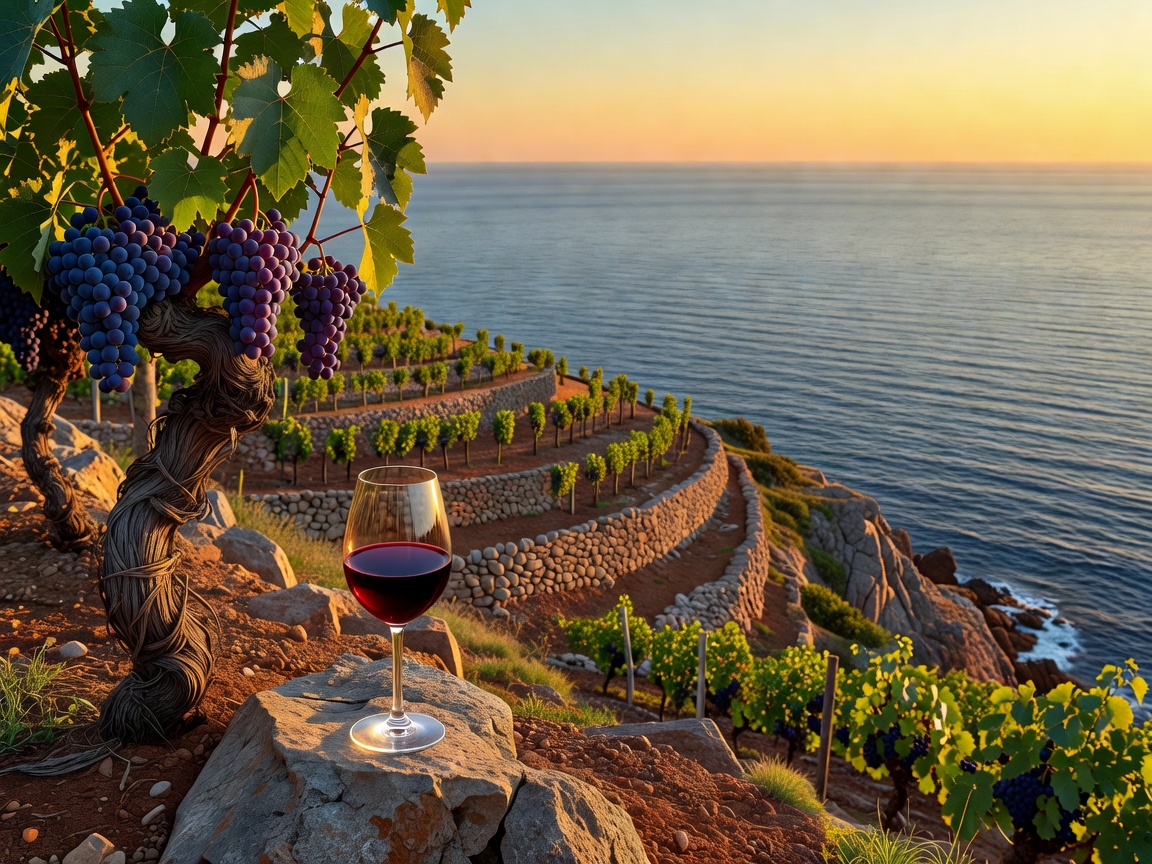
The marasca cherry liqueur distilled in Zadar since 1821 and once shipped to half the courts of Europe.
The people’s square, with the loggia and the 16th-century guard house, is where the city checks in with itself.
Climb the campanile of St Anastasia for the roof view before the day heats up.
The main street has been the main street since Roman times. The green market next to it closes early.
A ten-minute walk from the old town, with a shallow entry and plenty of shade.
Bring a bottle, sit on the steps and wait for the lights of the solar circle to switch on behind you.
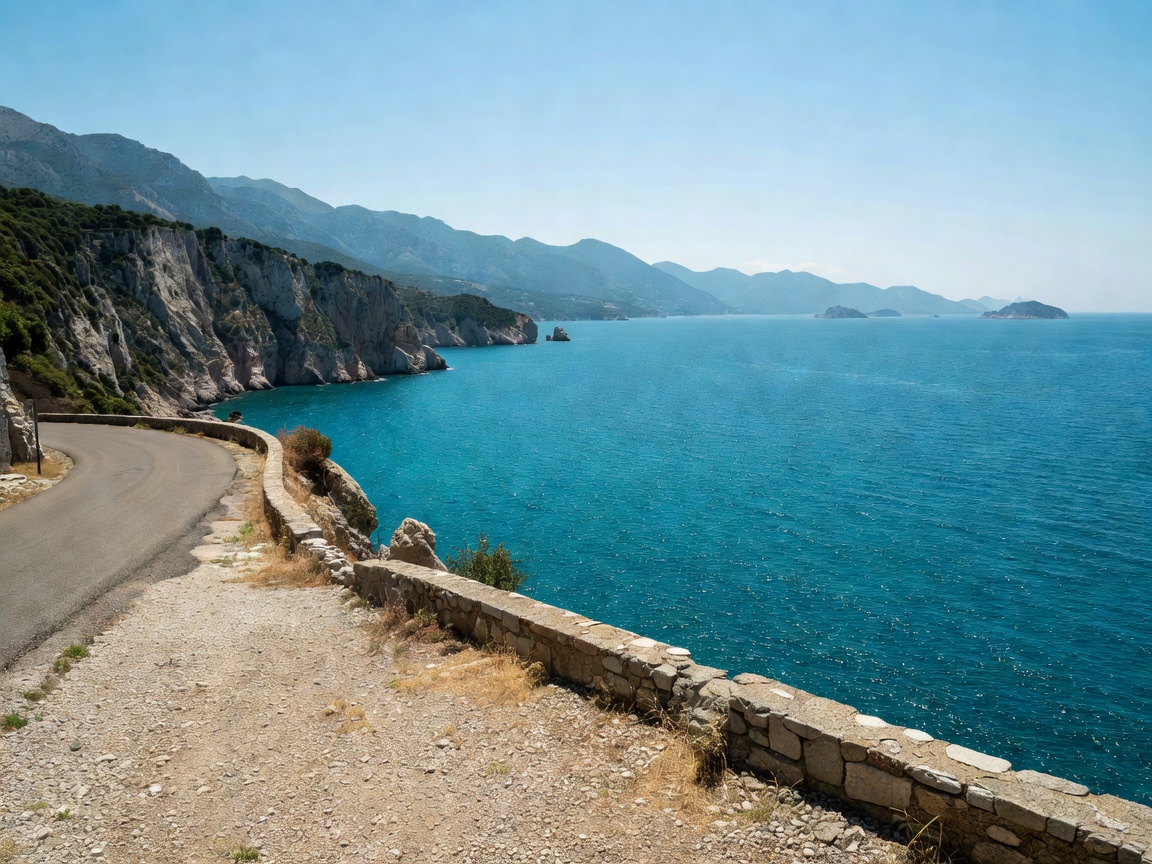
| Airport | Zadar Airport (ZAD), 9 km east. A shuttle meets most flights and runs to the bus station for around €5 in about 25 minutes. |
|---|---|
| By road | A1 motorway: Zagreb 2h45, Split 1h30, Plitvice 1h30 via Gračac. Tolls are payable in euro by card. |
| Ferries | Jadrolinija services to Preko (Ugljan), Brbinj and Božava (Dugi Otok), and Ist/Molat. Catamarans leave from the Gaženica port area — check which terminal your ticket names. |
| Entry prices | Sea Organ and Greeting to the Sun: free. St Donatus around €5. Cathedral bell tower around €3. Museum of Ancient Glass around €8. |
| Parking | The peninsula is restricted. Park on the mainland side near the footbridge and walk in — five minutes. |
| Best time | May to early July and September. The Zadar sunset is best from June to August when it drops behind Ugljan. |
| Budget | Double in shoulder season €70–120; dinner for two €45–70; the whole city centre is walkable so transport costs are minimal. |
Tourist board: zadar.travel. Kornati park information: np-kornati.hr.