Home / Road trips

Driving the Adriatic

Coastal road trips

Croatia has one of the great driving coastlines in Europe: a two-lane road cut into limestone above turquoise water, with an island on the horizon at almost every bend. Here are five routes worth the extra hours, and the practicalities that make them painless.

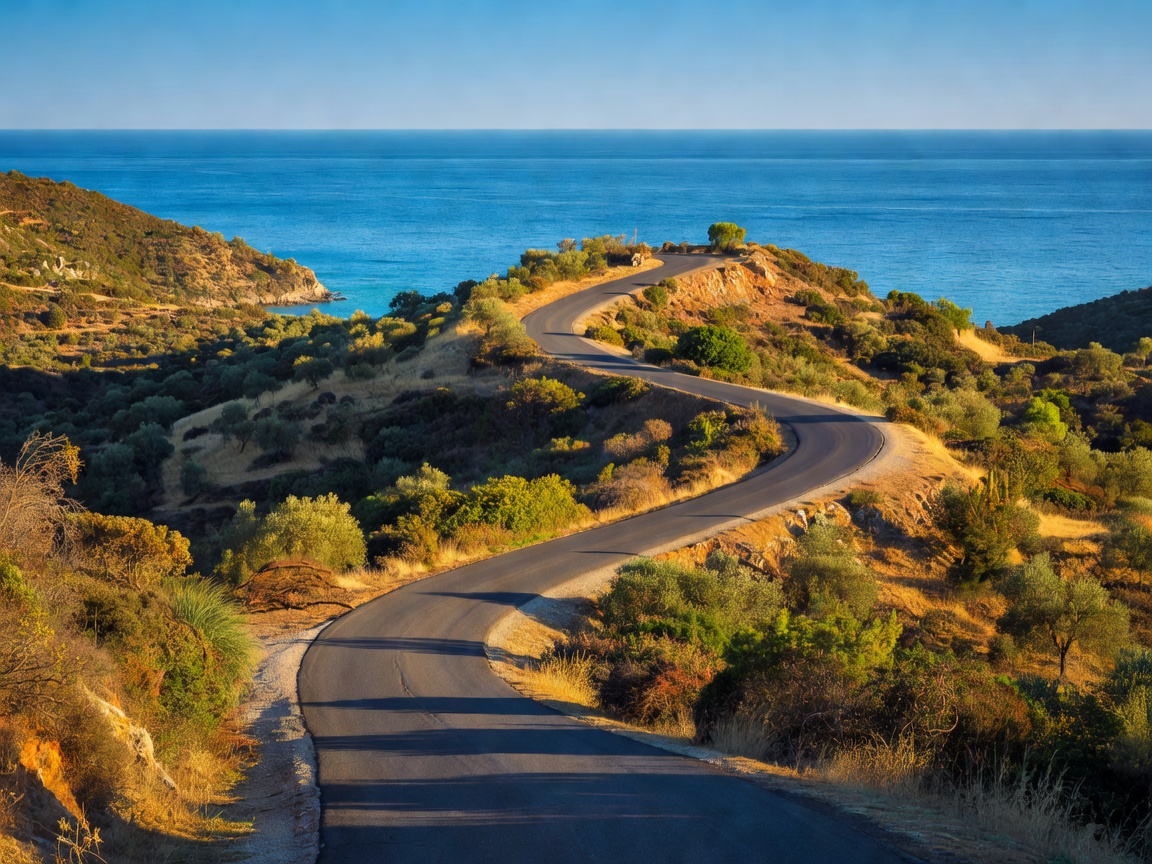
Empty asphalt road curving through Mediterranean hills toward the blue Adriatic
D8The Adriatic Highway
~€25Zagreb–Split tolls
2,404 mPelješac Bridge
0.0‰Alcohol limit under 25
Orientation

Two roads run the length of the country

The A1 motorway runs inland from Zagreb through Karlovac, past the Velebit tunnel and down behind the coastal mountains to Split, with a southern extension toward Ploče. It is fast, modern, tolled and almost completely devoid of sea views. Use it when you need to cover distance: Zagreb to Split in four and a half hours instead of eight.

The D8, the Jadranska magistrala, is the old Adriatic Highway, hugging the shoreline from Rijeka to the Montenegrin border. It is free, two lanes wide, frequently spectacular and considerably slower — reckon on an average of 55 km/h with stops. The correct strategy for most trips is to take the motorway between regions and the coastal road within them.

A note on driving culture: overtaking on the D8 is enthusiastic, cyclists and scooters appear around blind bends, and in summer the road through Makarska and Brela is lined with parked cars. Drive it early in the morning or in the late afternoon, not at two in the afternoon in August.
The routes

Five drives worth the detour

Times given are driving time only. Double them if you intend to stop, which you should.

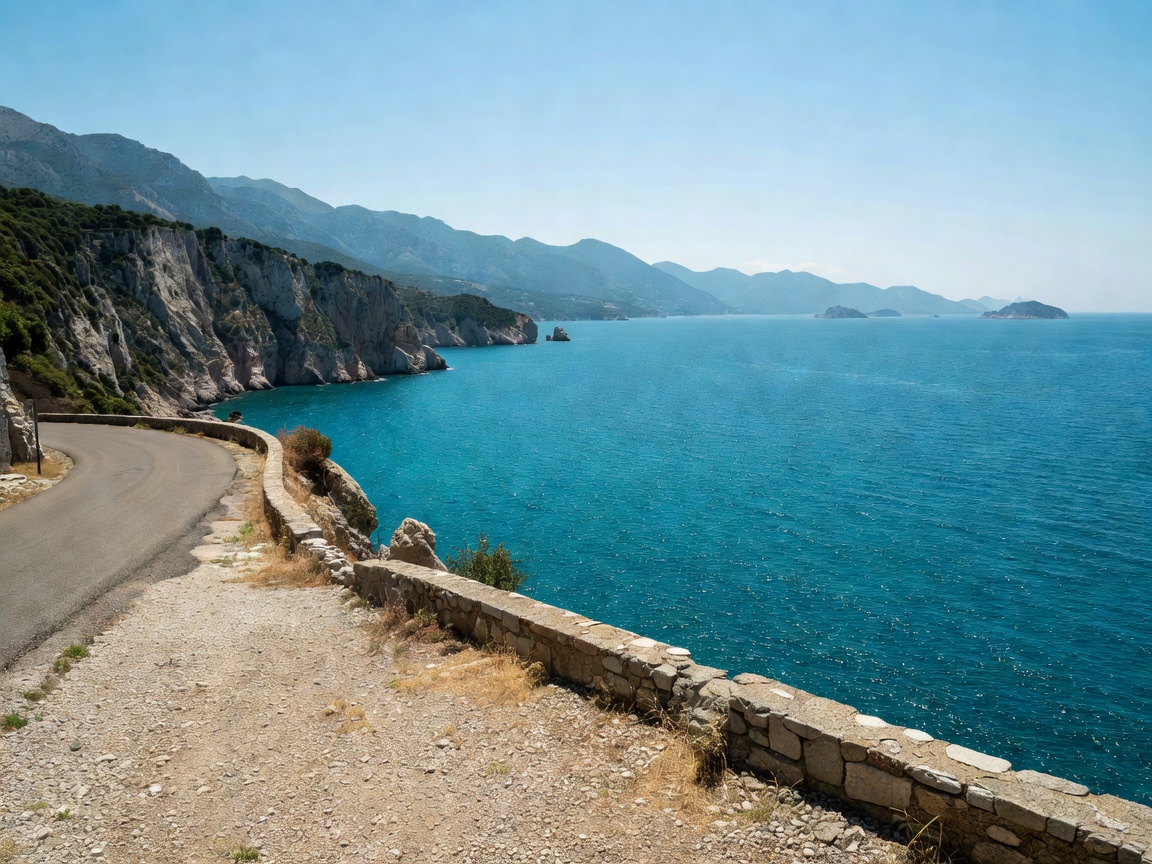
Coastal highway running along a steep shoreline above the sea
Split → Dubrovnik

The D8 Adriatic Highway

The Makarska Riviera beneath the Biokovo wall, the Neretva delta, Ston and the Pelješac Bridge.

  • 230 km
  • 3h 30 driving
  • No border
Stop: Brela, Ston Dubrovnik guide
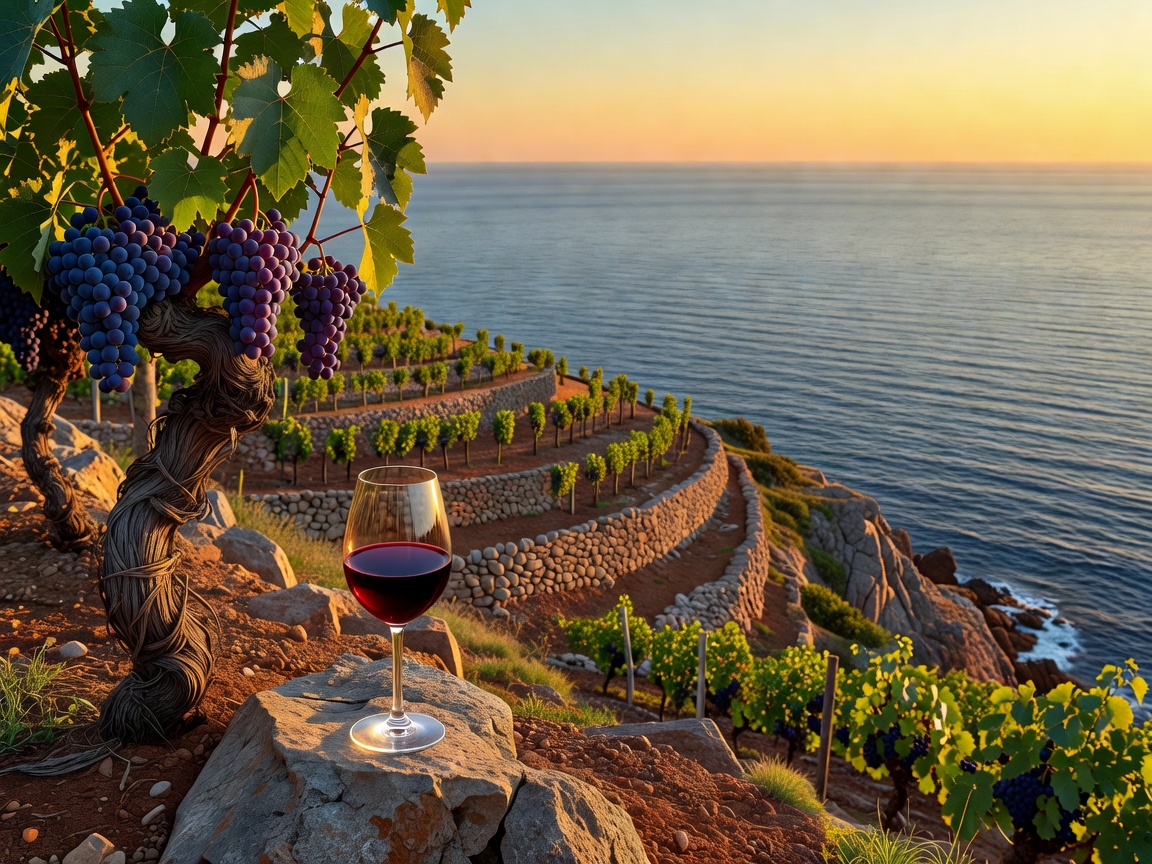
Glass of red wine beside vines on a steep coastal vineyard slope
Ston → Orebić

The Pelješac wine road

Oysters at Mali Ston, then Dingač and Postup — near-vertical Plavac Mali vineyards above the sea.

  • 70 km
  • Half day
  • Tastings
Designated driver essential Wine guide
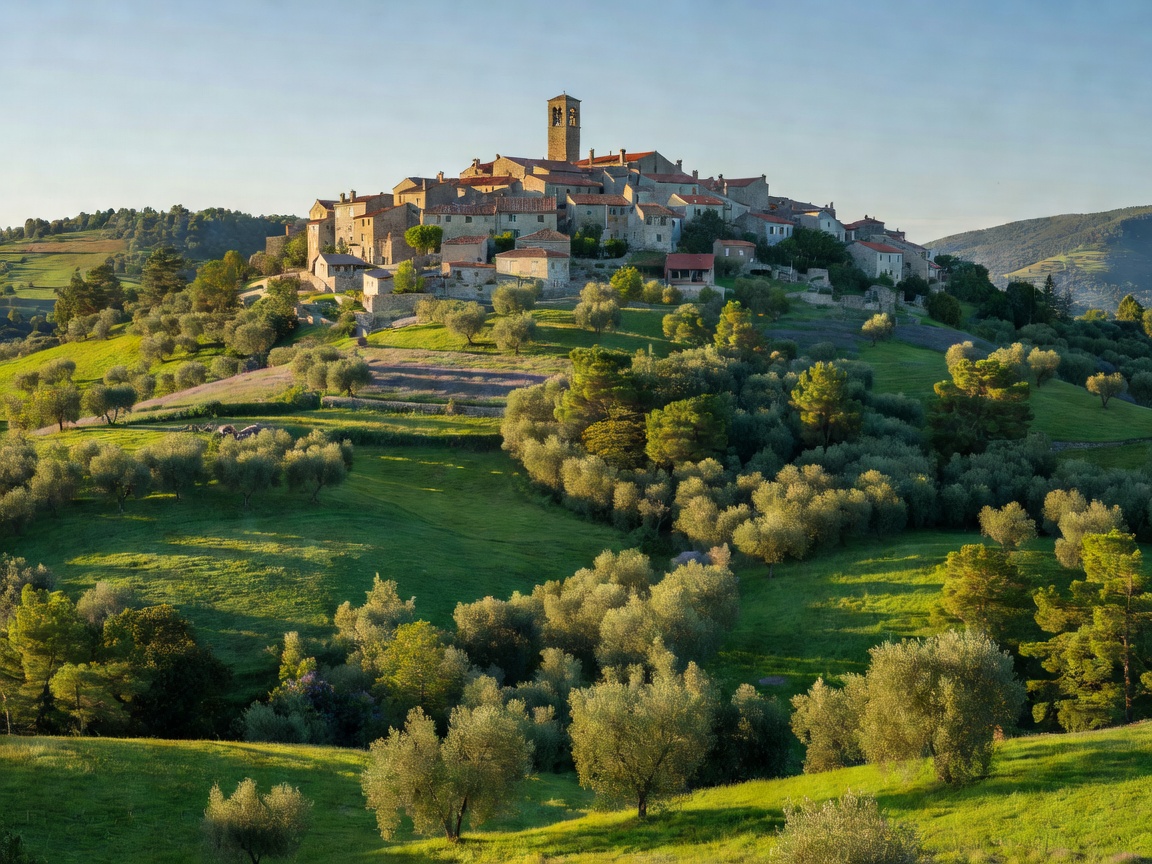
Green hills and a hilltop village in the Istrian interior
Istria loop

Hill towns & truffles

Rovinj, Bale, Motovun, Grožnjan, Hum and the Mirna valley oak forest where the truffles come from.

  • 180 km
  • Full day
  • Autumn best
Cool when the coast bakes Istria week
Bare limestone mountain slopes falling to an island-studded sea
Senj → Karlobag

The Velebit corniche

Stark grey mountain on one side, the long islands of Krk, Rab and Pag on the other. Croatia’s emptiest great road.

  • 90 km
  • 2 hrs
  • Bura zone
Check wind warnings On to Zadar
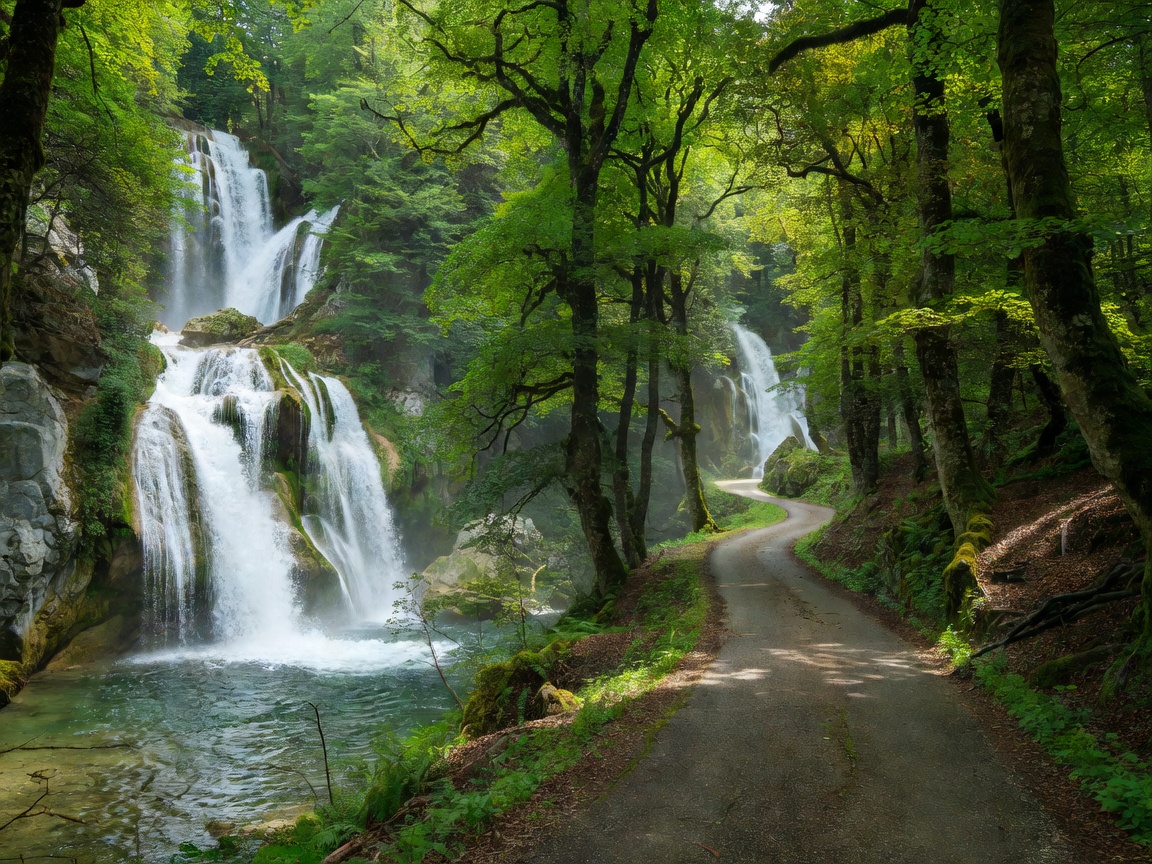
Forest and waterfalls beside an inland Croatian road
Zagreb → Split

The A1 with two detours

Motorway efficiency, broken by Plitvice off the Karlovac exit and Krka at the Skradin exit.

  • 410 km
  • 4h 30 direct
  • Tolled
Two parks in one drive Plitvice guide
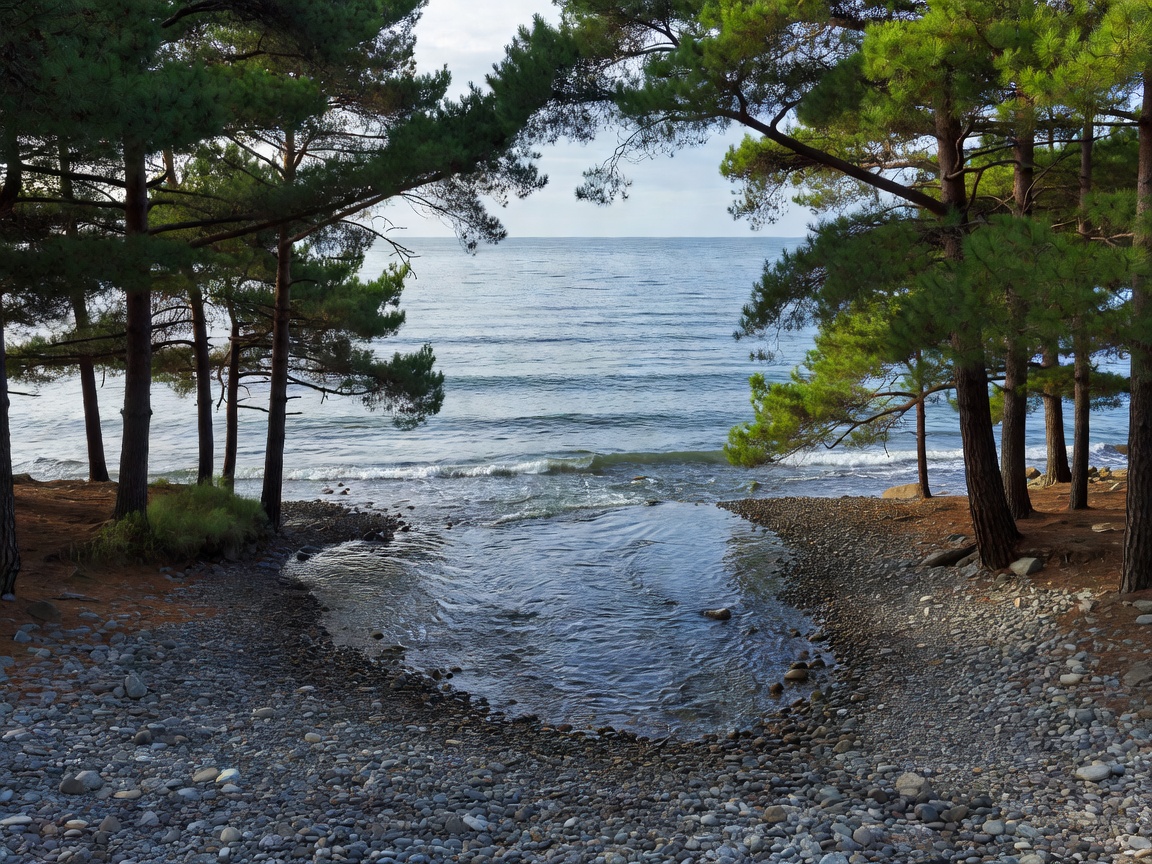
Island road descending toward a pebble beach and clear water
Island driving

Brač, Hvar & Korčula ridges

Short, steep, hairpinned roads with both coasts visible at once. Hire on the island rather than queueing with a car.

  • 30–60 km
  • Scooter friendly
  • Fuel is scarce
Fill up in the main town Island guide
Viewpoint over the Adriatic from a high coastal road lay-by
55km/h average on the D8
A day on the D8

Split to Dubrovnik, done properly

  1. Leave Split southbound

    Clear the city before the beach traffic. Omiš appears within 40 minutes, wedged into the Cetina gorge.

  2. Brela and the Makarska Riviera

    Punta Rata for a first swim, with the Biokovo mountain rising 1,700 metres directly behind the beach.

  3. Biokovo skywalk detour

    A steep toll road climbs to a glass platform above Makarska. Book a slot; the road is narrow and timed.

  4. Neretva delta

    Flat, green, full of tangerine stalls in autumn and entirely unlike the rest of the coast.

  5. Ston

    Oysters at Mali Ston, the saltpans, and Europe’s second-longest defensive wall if the heat has broken.

  6. Pelješac Bridge into Dubrovnik

    No border crossing since 2022. Park in Gruž and take the bus to Pile rather than driving to the gate.

Practical information

Driving in Croatia

Rules, costs and paperwork
Speed limits50 km/h in built-up areas, 90 on open roads, 110 on dual carriageways and 130 on motorways. Speed cameras are common on the approach to towns.
Alcohol0.5‰ for drivers over 24; zero tolerance for drivers under 25 and for professional drivers. Enforcement is strict.
LightsDipped headlights are compulsory during daylight from the last Sunday in October to the last Sunday in March.
TollsTicket on entry, pay on exit by card or cash in euro. Zagreb–Split roughly €25, Zagreb–Rijeka about €9. The Pelješac Bridge is free.
FuelRoughly €1.55–1.70 per litre. Stations are frequent on the mainland and sparse on the islands — fill up before crossing.
Car hire€45–80 a day in season. A cross-border letter is required if you plan to drive into Bosnia and Herzegovina or Montenegro; arrange it at pick-up.
ParkingZoned and metered in every coastal town, often payable by SMS or app. Never attempt to park beside Pile Gate in Dubrovnik or inside Split’s centre.
EquipmentReflective vest, warning triangle and a spare bulb kit must be carried. Winter tyres or chains are required on some inland roads from mid-November to mid-April.
BreakdownHAK, the Croatian automobile club, operates roadside assistance on 1987. Emergency services: 112.

Live traffic, tolls and road conditions: hak.hr. Motorway operator: hac.hr.