Cathedral of St Mark
Gothic-Renaissance, with a Tintoretto altarpiece and a bell tower giving the definitive view down the fishbone streets.
- Tower €4
- 30 min
- Central
Home / Destinations / Korčula
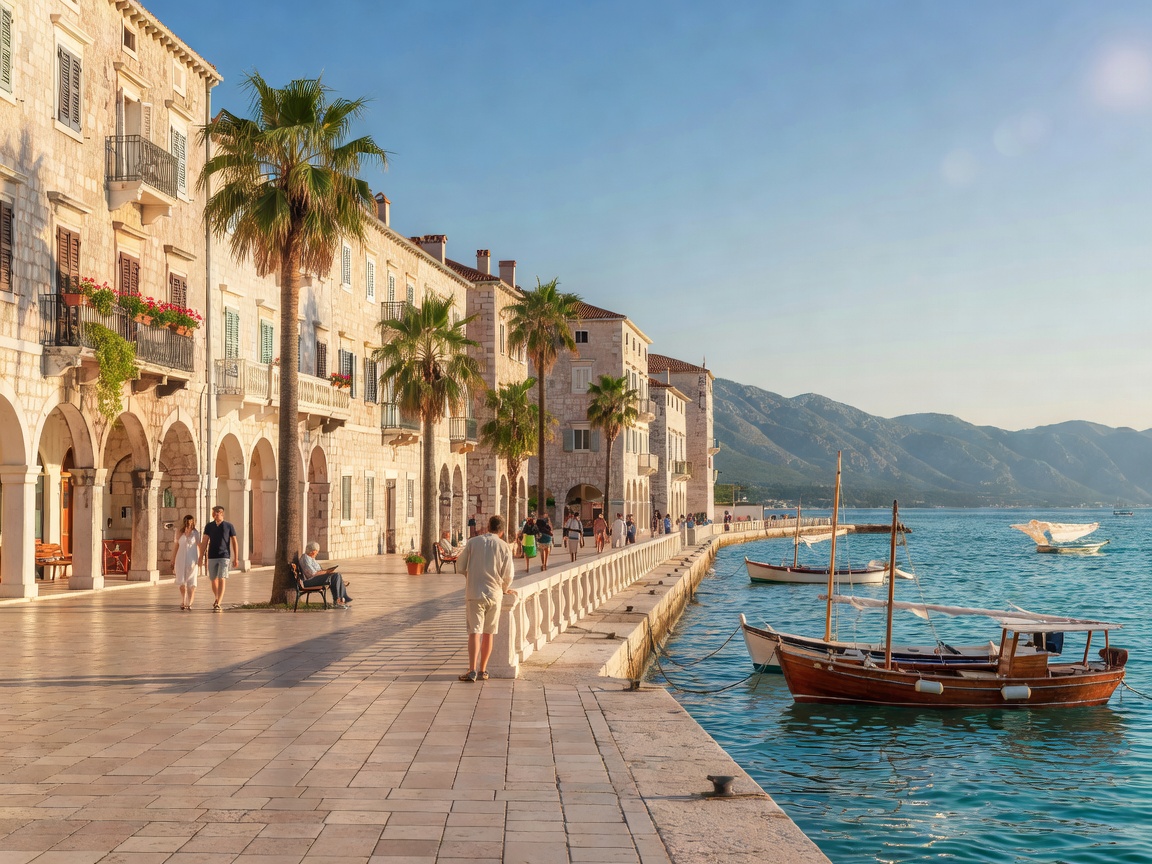
Island · Southern DalmatiaA medieval town built on a thumb of land with streets deliberately angled to admit the summer breeze and block the winter bura — the most elegant piece of climate engineering on the Adriatic.
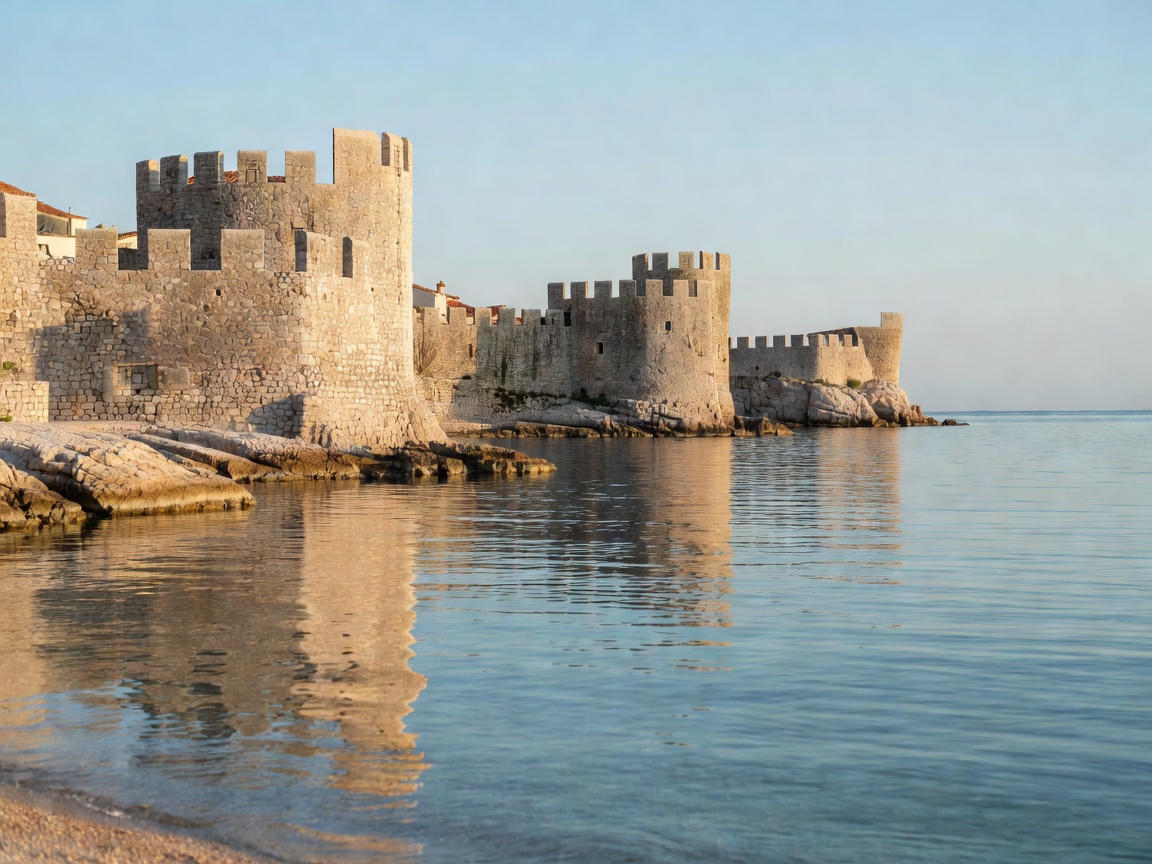
Korčula Town occupies a small peninsula protected by walls and round towers. A single spine street runs down the middle, with ribs branching off on both sides: those on the eastern side are straight to let the cooling maestral wind through, while those on the west are curved to break the cold bura. At the centre stands the Cathedral of St Mark, carved largely by local masons — Korčula’s stonecutters were exported across the Adriatic for centuries, and the island’s 13th-century statute regulating forestry and building is one of the oldest legal documents in Europe.
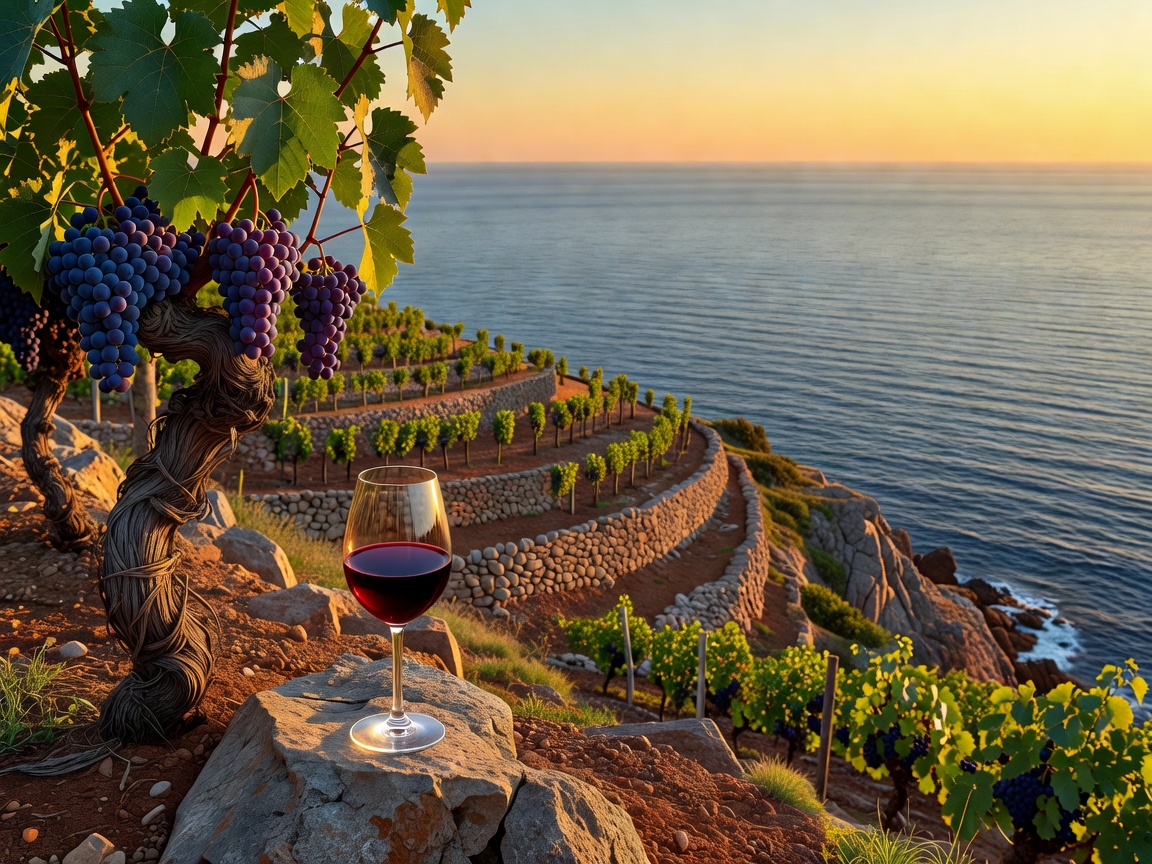
Beyond the town, the island is long, green and genuinely agricultural. Lumbarda, six kilometres east, sits on sandy soil that produces Grk, a white grape grown almost nowhere else. The central villages of Čara and Smokvica make Pošip, the first Croatian white to receive protected status. Pupnatska Luka on the south coast is the island’s best beach, and Vela Luka at the western end is a large working town with the prehistoric Vela Spila cave above it.
Slower and cheaper than Hvar, with better wine and a serious dance tradition.

Gothic-Renaissance, with a Tintoretto altarpiece and a bell tower giving the definitive view down the fishbone streets.

A 400-year-old battle dance performed with real steel by the town’s own company — not a tourist pastiche.

Grk vines are functionally female and need Plavac planted beside them to fruit — a genuine viticultural oddity.

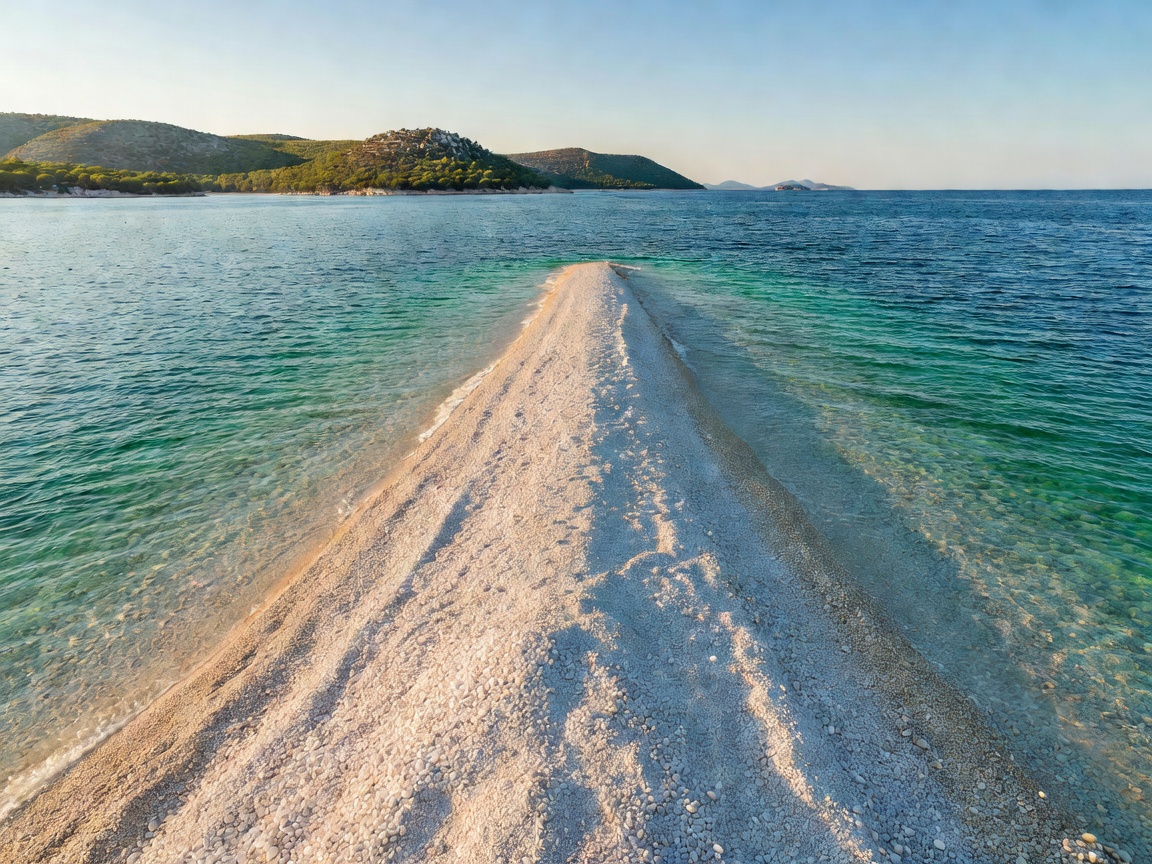
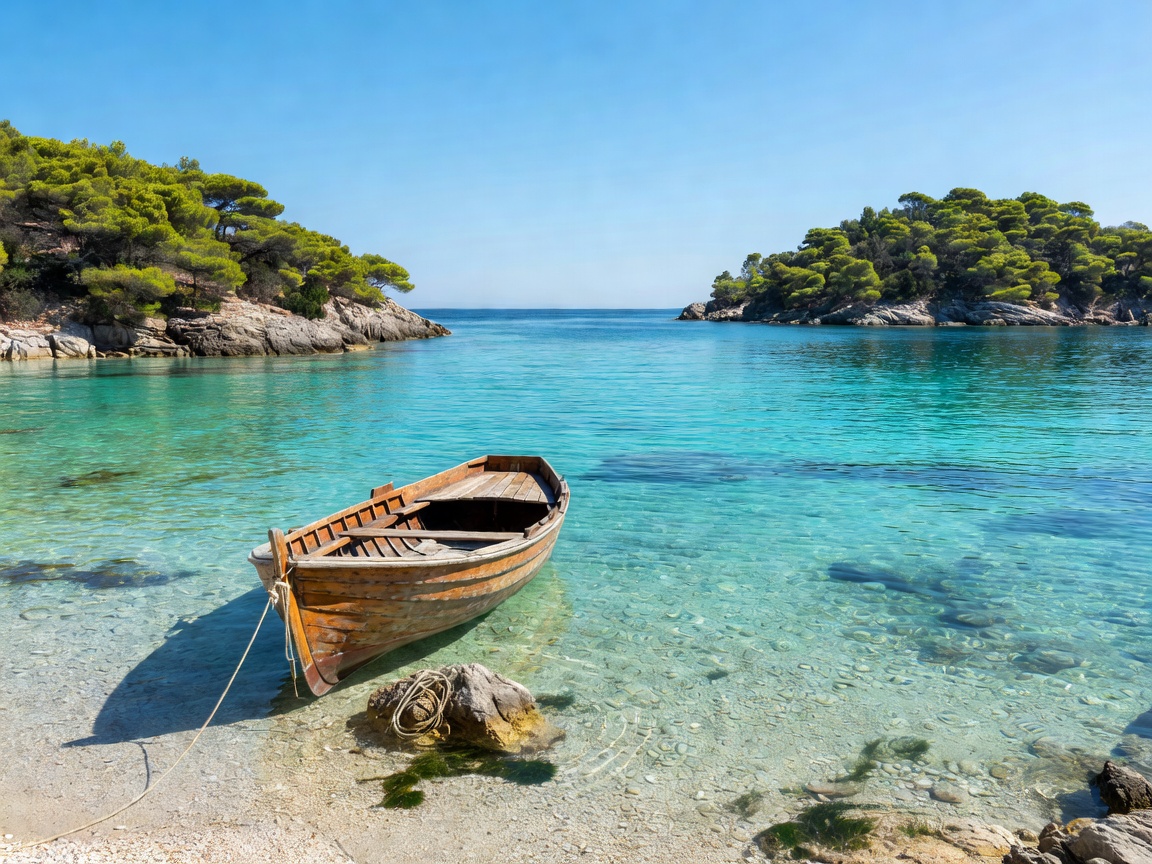
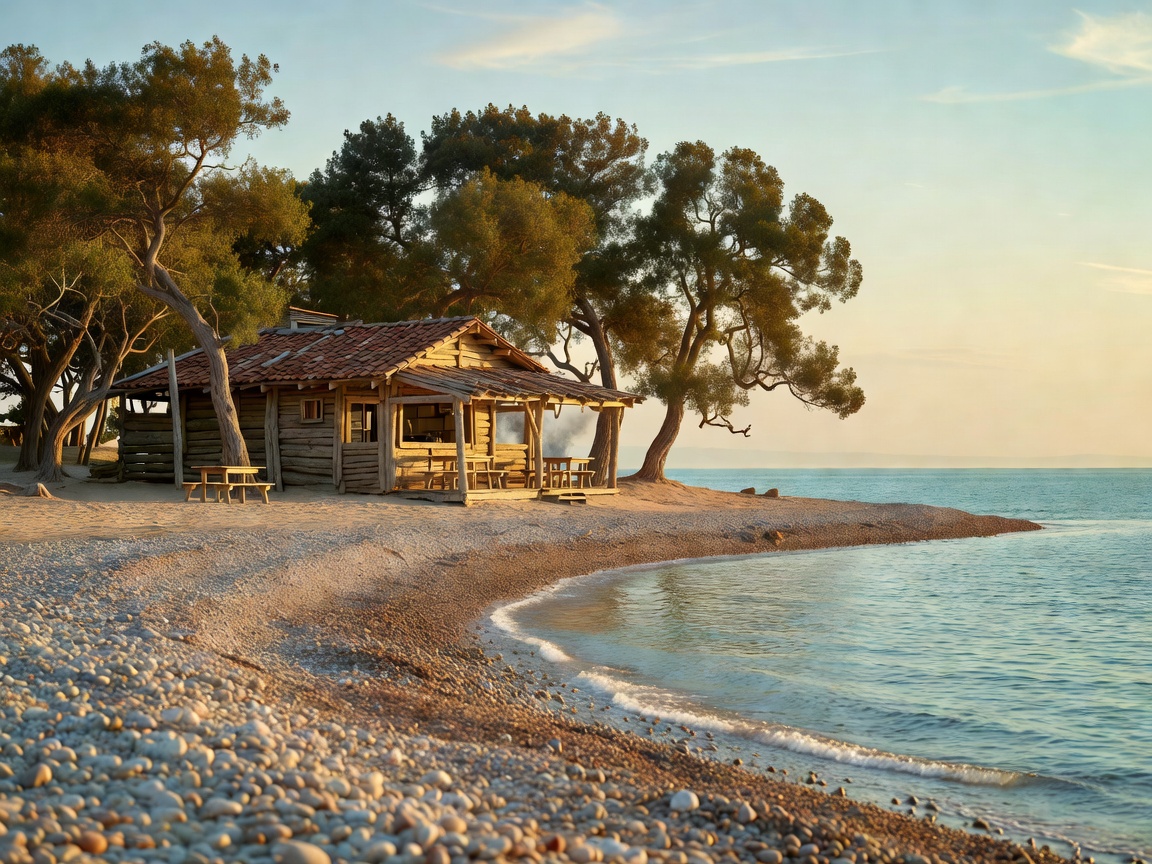
A steep hairpin descent to a wide pebble bay with two simple beach restaurants and no development.

Fifteen minutes by ferry to Orebić, then the Dingač wine road and the oyster beds at Mali Ston.

Korčula insists the explorer was born here in 1254. The evidence is thin, the house is a museum, and the town is entirely unbothered.
Start at the Land Gate staircase, circle the sea-facing promenade, then climb the cathedral tower.
The western promenade catches the breeze and the afternoon light.
Flat six kilometres to sandy Vela Pržina beach, with a Grk tasting on the way back.
Summer only, usually outdoors near the Land Gate. Steel on steel, and the swords are real.
Swim, lunch at the bay, then loop inland through Čara and Smokvica for Pošip.
Look back at the town from the water — the reason every photograph of Korčula is taken from a boat.
| From Split | Krilo or Jadrolinija catamaran to Korčula Town in roughly 2 to 2 hours 45 minutes, around €20–28. Car ferry runs to Vela Luka at the far end of the island, 2h45, then a 45-minute drive east. |
|---|---|
| From Dubrovnik | Catamaran roughly 2 hours in season, or drive over the Pelješac Bridge to Orebić (about 2 hours) and take the 15-minute ferry across. |
| Orebić ferry | Frequent car ferry Orebić–Dominče (3 km from Korčula Town) plus a passenger boat direct to the old town. Short, cheap and reliable. |
| Getting around | Buses link Korčula Town, Lumbarda, Pupnat and Vela Luka but are sparse. Bicycles are excellent for Lumbarda; a car is needed for the south-coast beaches. |
| Entry prices | Cathedral tower around €4, Marco Polo house around €7, Moreška performance around €20. |
| Best time | June and September. The island stays comfortable when Hvar and Dubrovnik are overwhelmed. |
| Budget | Shoulder-season double €85–150; dinner for two €50–80; bike hire €12/day. |
Tourist board: visitkorcula.eu. Ferries: jadrolinija.hr.