Home / Destinations / Dubrovnik

Southern Dalmatia · UNESCO World Heritage

Dubrovnik

A republic that outmanoeuvred Venice for four centuries, rebuilt itself after the 1667 earthquake and again after 1991, and now receives more day visitors in a single August morning than it has residents inside the walls.

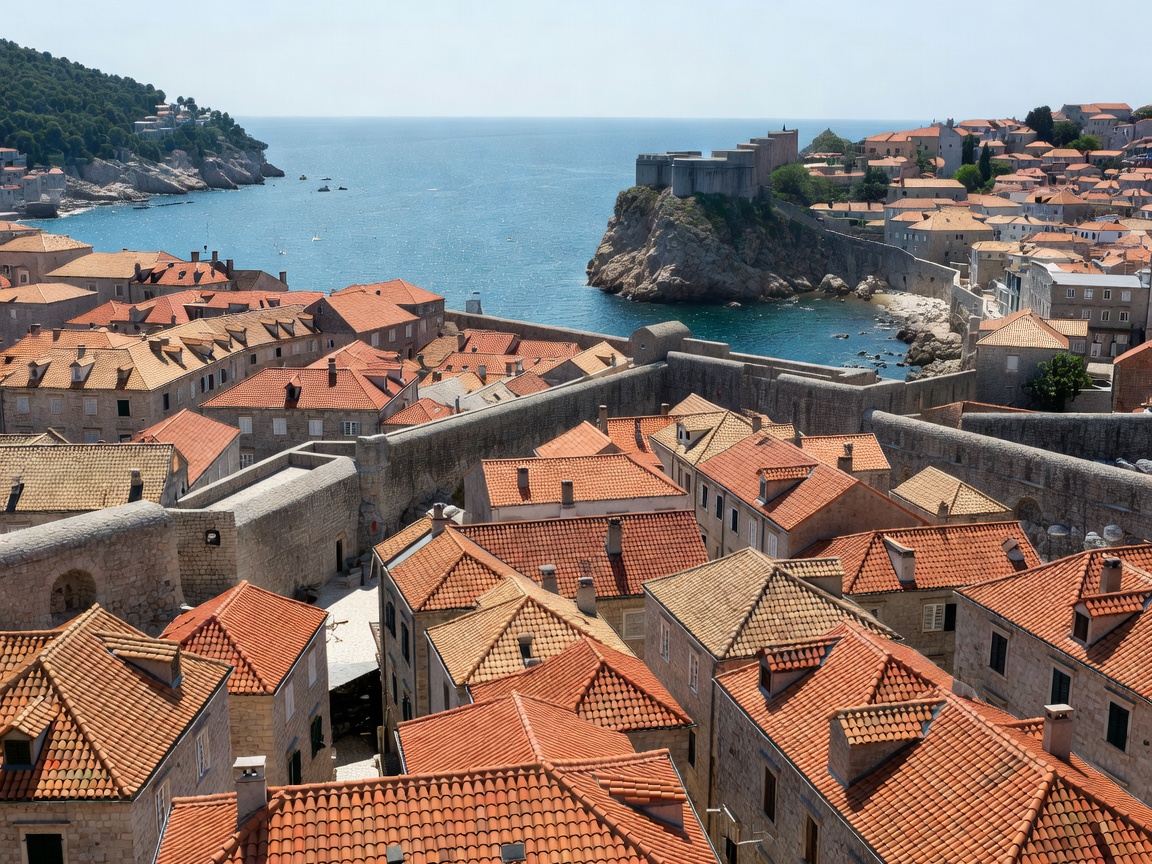
Dubrovnik Old Town rooftops, Fort Lovrijenac and the Adriatic seen from the city walls
1,940 mLength of the walls
€35Adult wall ticket
412 mHeight of Mount Srđ
May & OctBest months to visit
Orientation

Understanding the city in one paragraph

Dubrovnik is essentially three places that visitors confuse. There is the walled Old Town — pedestrian, roughly 300 metres across, entered through Pile Gate in the west or Ploče Gate in the east. There is Lapad and Babin Kuk, a leafy hotel peninsula three kilometres north-west where most people actually sleep and where the beaches are. And there is Gruž, the working port with the ferry terminal, the morning fish and produce market, and the bus station. Local bus lines 1A, 1B, 4 and 6 connect all three for €2 bought from a kiosk or €2.65 from the driver. Once you understand that geography, the city becomes simple.

The single most useful piece of planning advice: check the cruise-ship calendar published by the Dubrovnik Port Authority before you choose your wall-walking morning. On days with three or four large calls, the Stradun becomes a slow river of people between 10:00 and 15:00. On a no-call day in late September, the same street at the same hour is almost civilised.

Things to do

Six experiences that justify the ticket prices

Ranked by how much we would regret missing them. Prices verified for the 2026 season and quoted in euro.

Visitors walking the elevated medieval ramparts of Dubrovnik
Unmissable

Walk the city walls

Anti-clockwise from Pile, 1,940 metres, roughly 90 minutes with photo stops. Almost no shade.

  • €35 adult
  • Opens 08:00
  • Includes Lovrijenac
Go at opening or after 17:00 Ticket detail
Panoramic view of a walled Adriatic city from a hilltop viewpoint
Viewpoint

Mount Srđ cable car

Four minutes to 405 m and the postcard view over the peninsula, Lokrum and the Elaphiti chain.

  • €27 return
  • 4 min ride
  • Sunset queue
Homeland War museum at top Ticket detail
Boat crossing clear water toward a pine-covered Adriatic island
Half day

Lokrum island

Ten-minute boat from the Old Port. Benedictine ruins, a botanical garden, free-roaming peacocks and the salt Dead Sea lake.

  • €27 boat + entry
  • No overnight
  • Nature reserve
Last boat ~18:00 Swimming spots
Freshly shucked oysters served with lemon on a seaside terrace
Day trip

Ston & the oyster beds

Fifty-five kilometres north: Europe’s second-longest defensive wall, medieval saltpans and Mali Ston Bay oysters.

  • 1 hr drive
  • Walls €15
  • Oysters ~€2.50
Combine with Pelješac wine Drive it
Calm bay with moored boats between low green islands
Full day

Elaphiti islands

Šipan, Lopud and Koločep — car-free, quiet, and reachable on the Jadrolinija local line from Gruž rather than a party boat.

  • Public ferry
  • Šunj beach
  • Car-free
Cheapest good day out Route notes
Stone cloister arcade inside a historic Adriatic monastery
Culture

Franciscan pharmacy & Rector’s Palace

A working pharmacy since 1317 and the Gothic-Renaissance seat of a republic whose rector served for exactly one month.

  • €8 pharmacy
  • €15 palace
  • Indoor, cool
Perfect midday retreat Day plan
Two perfect days

A schedule built around the heat and the crowds

  1. Coffee on Gundulić Square

    The market sets up around you. Ask for a macchiato and watch the delivery trolleys work the Stradun before the gates fill.

  2. City walls, anti-clockwise

    Ninety minutes of soft light and empty ramparts. Carry a litre of water; there are only two kiosks on the circuit.

  3. Franciscan monastery, then Buža

    Duck through the hole in the sea wall for a drink on the rocks with a 20-metre drop to the water.

  4. Boat to Lokrum

    Swim off the flat rocks on the far side, walk to Fort Royal, catch the second-to-last boat back.

  5. Dinner in Prijeko or outside the walls

    Prices drop noticeably once you cross to Lapad or Gruž. Book ahead from June to September.

  6. Cable car up Srđ

    Clearer air, fewer people and the best geography lesson in the country. Walk down the serpentine path if it is under 25 °C.

  7. Drive or bus to Ston

    Oysters at Mali Ston, then the wall climb if the heat allows. Return along the Pelješac wine road.

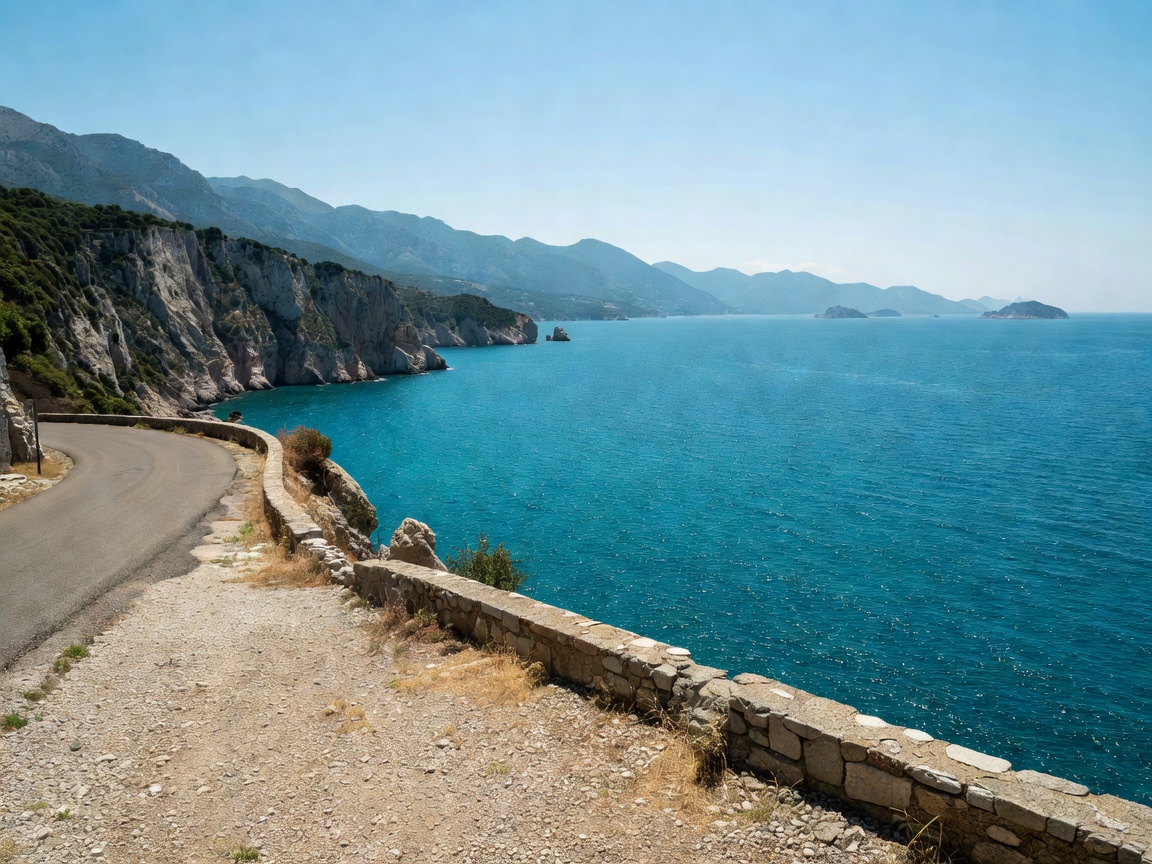
Coastal road overlooking the southern Dalmatian sea near Dubrovnik
2Days needed
Practical information

What it costs and how to get there

Dubrovnik essentials for 2026
AirportDubrovnik Airport (DBV), Čilipi, 20 km south. Airport shuttle bus to Pile/Gruž takes 30–40 minutes and costs about €10 one way; taxis are €35–45.
City wallsAround €35 adult, €15 child. Ticket includes Fort Lovrijenac and is valid one entry, same day. Opens 08:00; last entry varies by season. Buy at Pile, Ploče or online.
Cable carAbout €27 return, €15 one way. Runs from 09:00 until late in summer. Closed in strong bura wind.
Getting aroundLibertas city buses, €2 from a kiosk. The Old Town is entirely pedestrian and full of steps — pack soft luggage, not hard cases.
ParkingDo not attempt to park near Pile. Use the Ilijina Glavica garage or park in Gruž and bus in. Expect €3–6 per hour in the centre.
FerriesGruž port serves Jadrolinija and Krilo lines to Mljet, Korčula, Hvar and Split. See our transport guide.
Best timeLate April to early June, and late September to October. July and August combine 33 °C, peak prices and cruise calls.
BudgetMid-range double in shoulder season €110–180; main-street dinner for two €70–110; a coffee €2.50–3.50.

Official city tourist board: tzdubrovnik.hr. Wall operator: citywallsdubrovnik.hr. Verify prices before travelling — they are revised each season.

Where to eat

Eating well without paying Stradun prices

Rule of thumb: every 200 metres you walk away from the main street saves you roughly 20 percent.

Konoba in the side lanes. The alleys climbing north off the Stradun — Prijeko, Zamanjina, Antuninska — are dense with terraces. Look for a handwritten daily board rather than a laminated photo menu, and for a fish display with visible ice.

Gruž market, 07:00–13:00. The best-value meal in Dubrovnik is a bag of figs, a wedge of Pag sheep cheese, a loaf and a bottle of Pošip eaten on the harbour wall for under €20.

Mali Ston oysters. Harvested in the bay where fresh and salt water meet. Order them raw with lemon and nothing else; a plate of six costs roughly what two cocktails do in the Old Town.

Rožata. Dubrovnik’s caramel custard, perfumed with rose liqueur. It appears on nearly every dessert menu in the region and originated here.

Drinking. Local Plavac Mali reds from Pelješac (Dingač, Postup) are powerful and food-friendly; for whites look to Pošip and Grk from Korčula. House wine by the carafe is usually honest and cheap.

Booking. From mid-June to early September, reserve dinner tables 24–48 hours ahead, and any peka dish a full day ahead — it takes three hours under the bell.
Questions

Dubrovnik FAQ

It is worth it, but only with tactics. Sleep in Lapad or Gruž, do the walls at 08:00, spend 11:00–17:00 on Lokrum or the Elaphiti islands and return to the Old Town in the evening when the cruise passengers have re-embarked. If your dates are flexible, move them to June or late September instead.

Two full days for the city itself, three if you want a proper excursion to Ston, the Elaphiti islands or Mljet National Park. One day is enough only if you are arriving by ship and have no choice.

Not inside Dubrovnik — a car is a liability there. A car is useful only if you plan to drive the Pelješac peninsula, Ston or onward to Split. Consider collecting a hire car on the day you leave rather than paying for parking all week.

Yes. Banje beach sits just outside Ploče Gate, the rocks below Buža bar are swimmable for confident swimmers, and Šulić cove beneath Fort Lovrijenac is small but lovely. For sand-like comfort, take the bus to Lapad Bay or the boat to Šunj on Lopud.

Yes. Since 2022 the bridge links the mainland to the Pelješac peninsula, so the Dubrovnik–Split drive no longer crosses the Neum corridor into Bosnia and Herzegovina. Allow roughly three to three and a half hours including a stop.