Fortica (Spanish Fortress)
Twenty minutes uphill through pine and agave to the best view in the Adriatic: Hvar Town and the Pakleni chain laid out below.
- €10
- 20 min climb
- Sunset
Home / Destinations / Hvar
Island · Central DalmatiaThe island has two reputations — a summer party harbour and a UNESCO-listed agricultural plain farmed without interruption since the fourth century BC. Both are true, and they are twenty minutes apart by car.
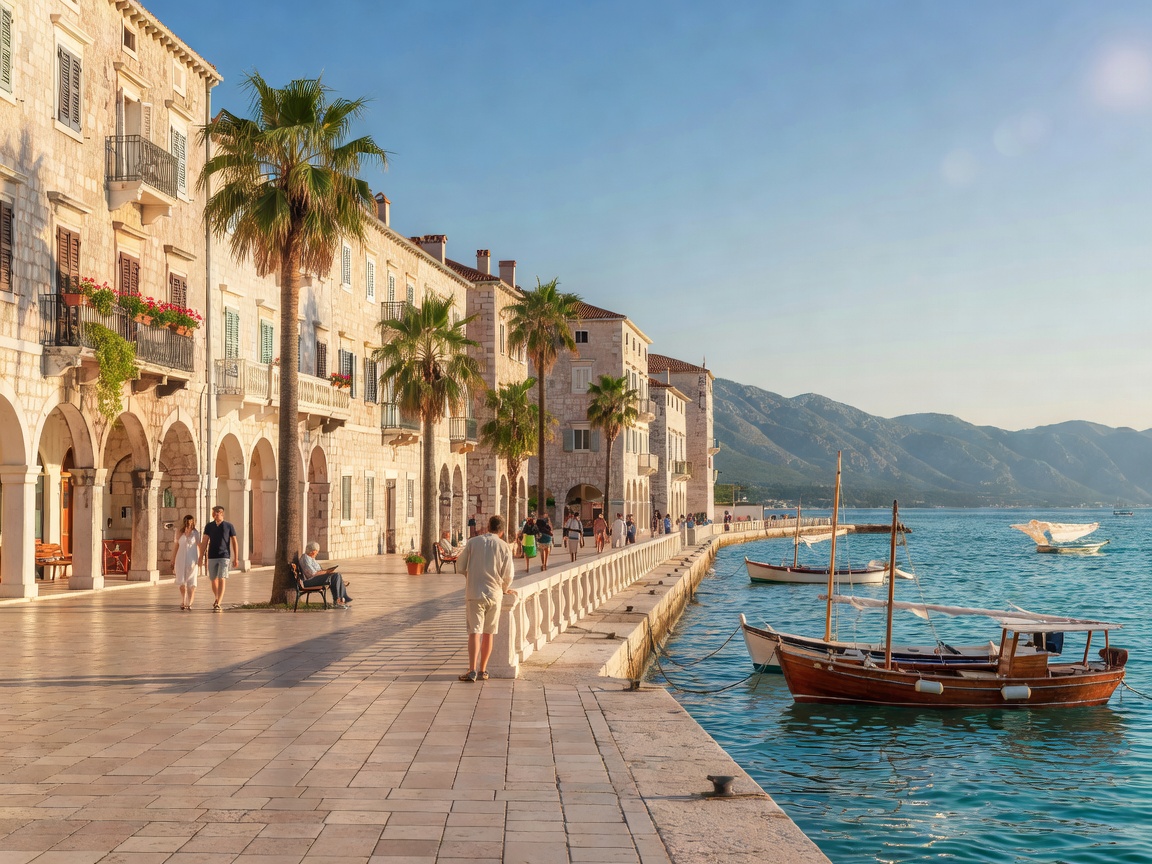
Hvar is 68 kilometres from tip to tip and you should decide which end of it you want before booking. Hvar Town, in the south-west, has the Renaissance main square, the 1612 theatre, the Spanish Fortress above and the highest concentration of expensive cocktails in Croatia. Stari Grad, on the north coast, is where the car ferry from Split arrives — quieter, older, with a poet’s fortified villa and access to the ancient field system. Jelsa is the family choice: a green harbour, good swimming and fewer yachts. Vrboska, nicknamed Little Venice, is a narrow inlet crossed by stone bridges with a fortified church you can climb.
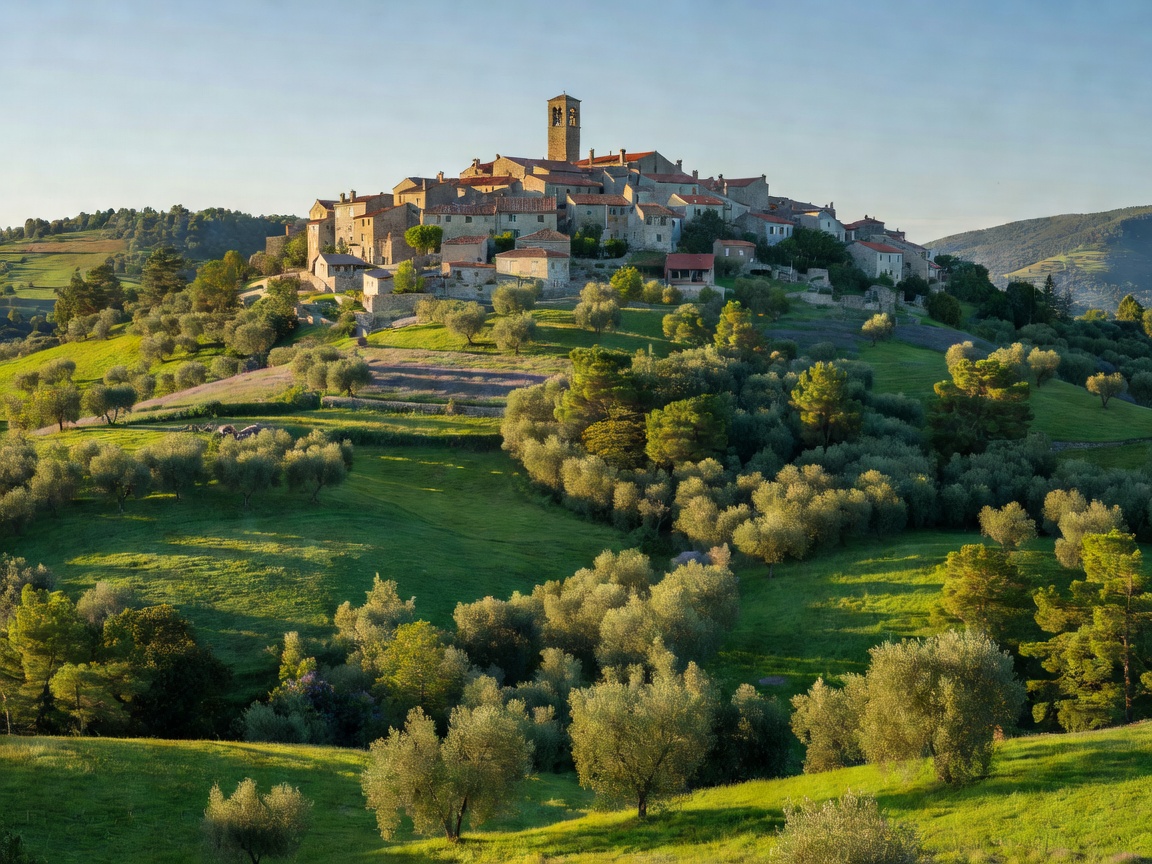
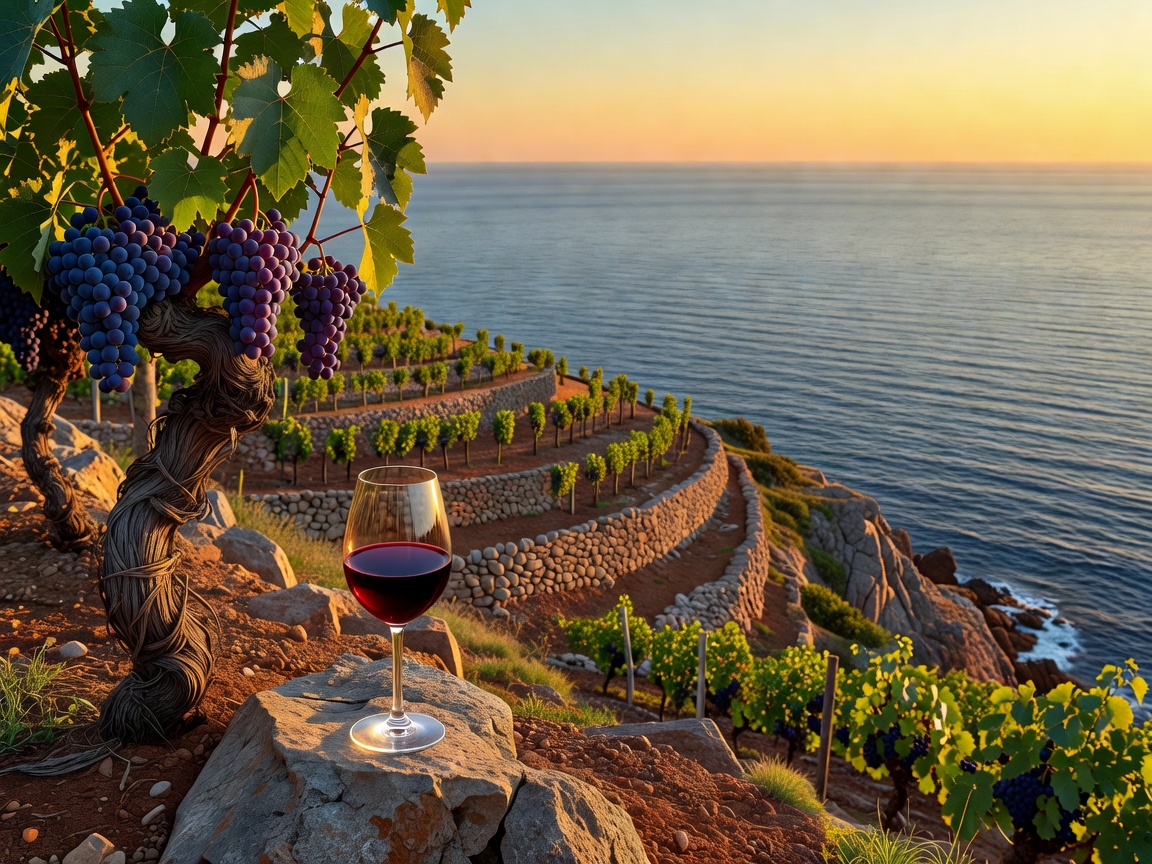
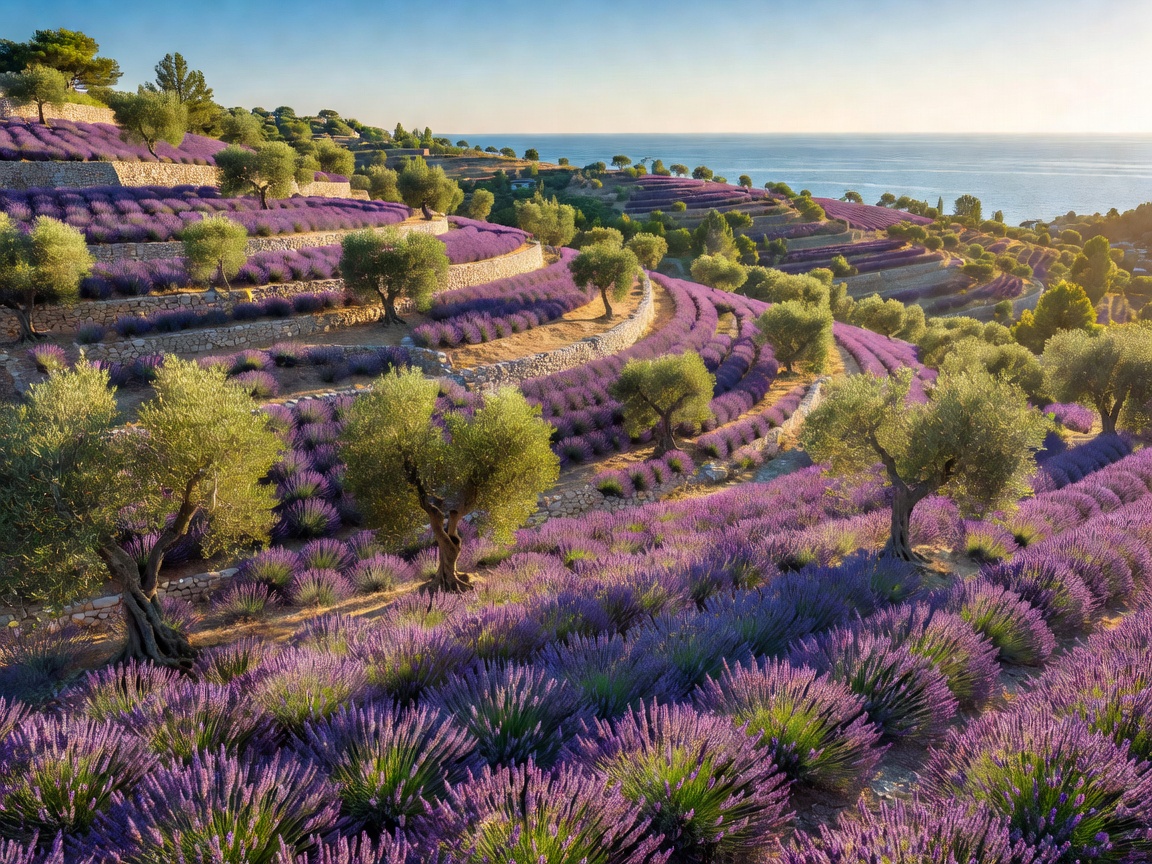
The island’s interior is the surprise. Head up to Velo Grablje or the abandoned village of Malo Grablje and you find terraced lavender, dry-stone walls, wild rosemary and absolute silence. Vineyards of Plavac Mali cling to the southern slopes above Sveta Nedjelja, where some of the best red wine in the country is made on gradients that have to be worked by hand.
Day trippers see the harbour. Everything below needs more time than a return catamaran allows.

Twenty minutes uphill through pine and agave to the best view in the Adriatic: Hvar Town and the Pakleni chain laid out below.

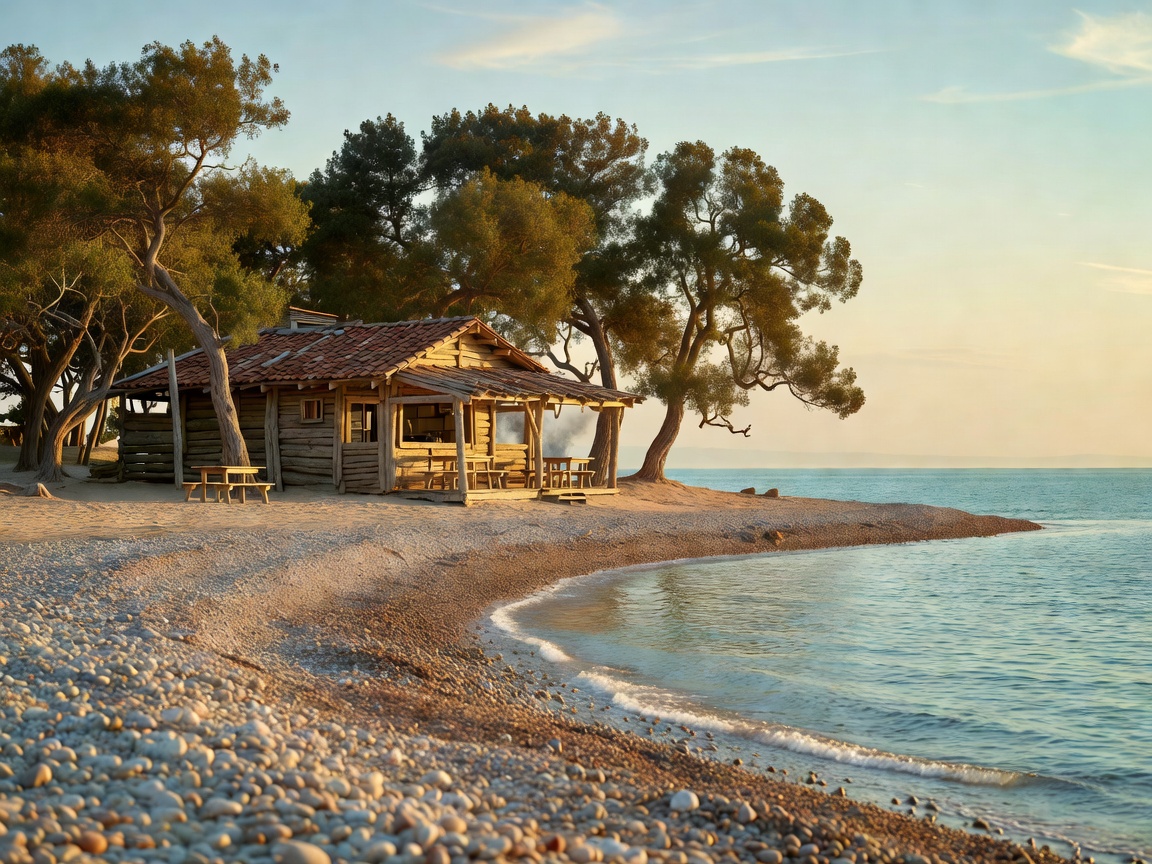
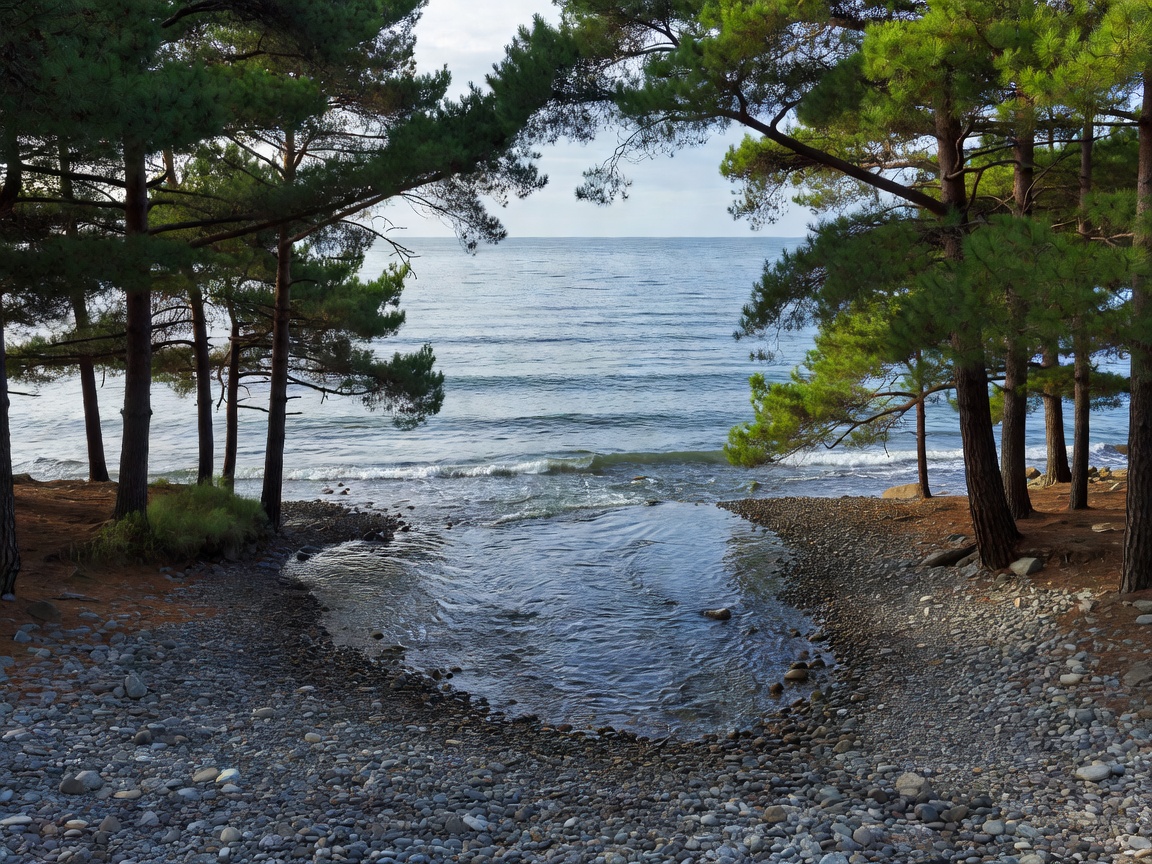
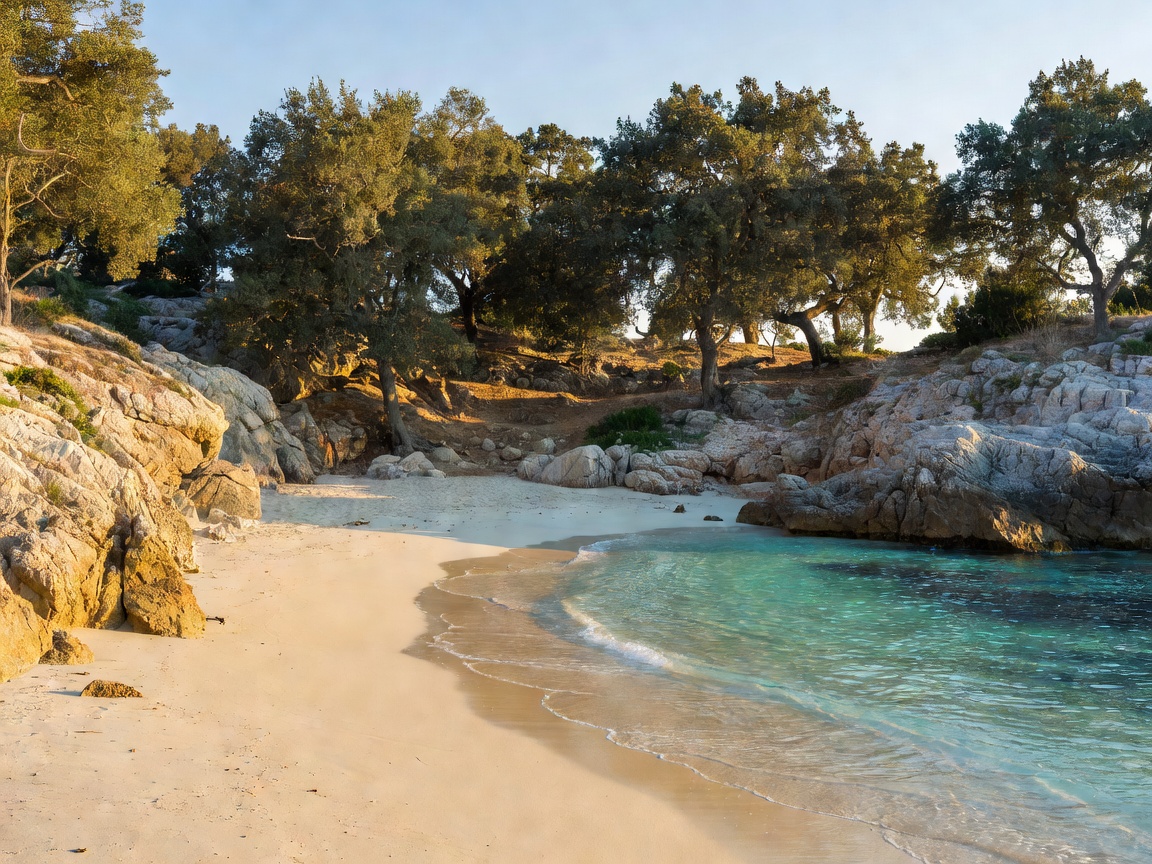
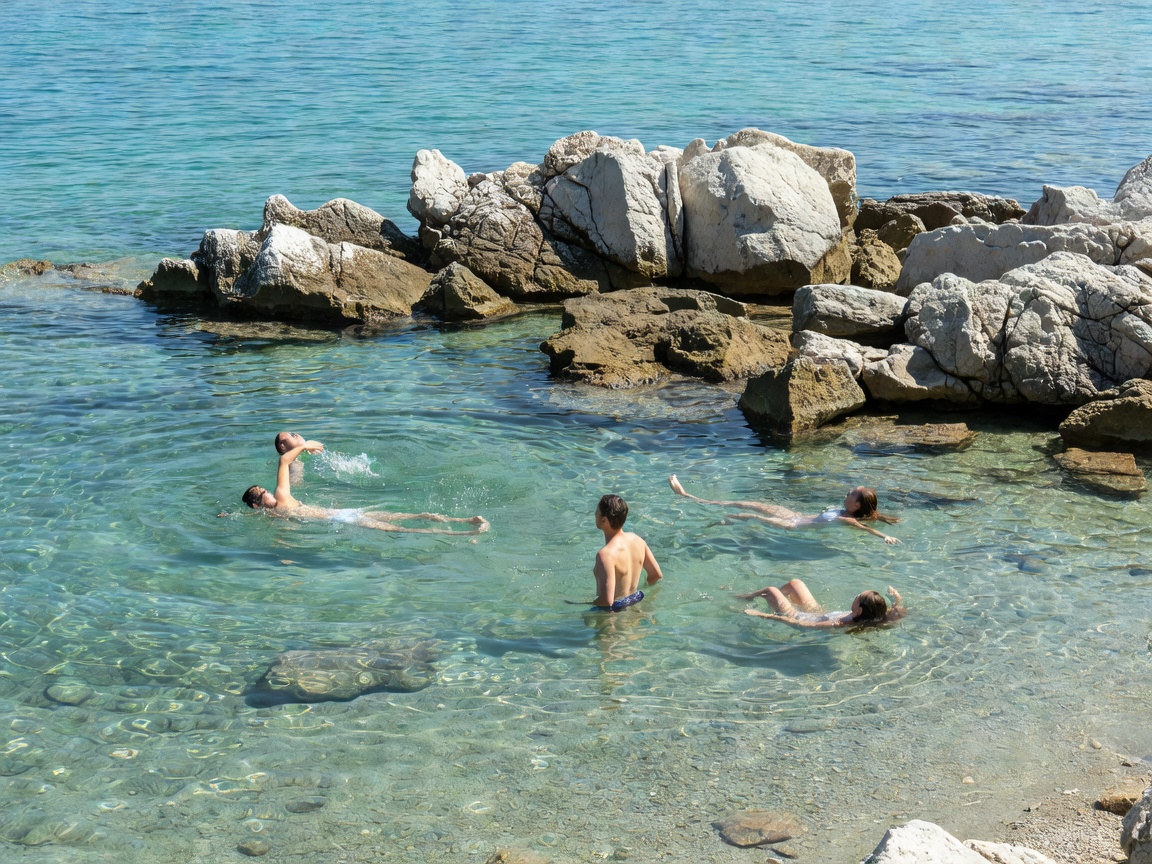
Taxi boats run continuously to Jerolim, Stipanska and Palmižana — pine, rocks and water the colour of glass.

A Greek land division from 384 BC, still farmed inside the original stone boundaries. Best explored by bicycle.

Hvar supplied much of Europe’s lavender oil in the 1920s. The fields flower from mid-June to early July.

Plavac Mali grown on 45-degree slopes above the sea, including the cellar inside a cliff cave at Zavala.

One of the oldest communal theatres in Europe, built above the arsenal so that nobles and commoners shared the room.
Drop bags, take the first swim before lunch while the light is still soft.
Go up for sunset, come down for dinner on the square. The stairs are uneven — proper shoes.
Swim, eat lunch at one of the bay restaurants, wander the botanical garden planted in the 1900s.
Velo Grablje, Malo Grablje and the ridge road with views of both coasts. Finish at a Sveta Nedjelja cellar.
If you have a third day, Vis is the quietest and most rewarding island in Dalmatia.
| Catamaran (foot passengers) | Split to Hvar Town in about 60 minutes with Krilo or Jadrolinija. Roughly €10–18. Books out in July and August — reserve online as soon as the summer schedule is published. |
|---|---|
| Car ferry | Split to Stari Grad in about 2 hours. Stari Grad is 20 minutes by road from Hvar Town; a shuttle bus meets most sailings. |
| From Dubrovnik | Seasonal Krilo catamaran via Korčula and Mljet, roughly 3.5–4.5 hours, summer only. |
| Getting around | Local buses connect Hvar Town, Stari Grad and Jelsa but run infrequently. Scooter hire €35–45/day, small car €50–80/day in season. |
| Cars in Hvar Town | The centre is pedestrian. Use the paid car parks above the harbour and walk down. |
| Best time | Late May to late June, and September. Lavender flowers late June. August is expensive and crowded. |
| Budget | Shoulder-season double €110–190 in Hvar Town, less in Jelsa; konoba dinner for two €60–90; taxi boat €8–15. |
| Dress code note | Hvar Town enforces fines for walking through the centre in swimwear. Cover up between the beach and the square. |
Tourist board: visithvar.hr. Catamaran operator: krilo.hr.